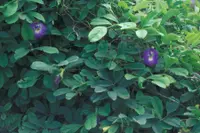
Atlantic pigeonwings Care (Clitoria mariana)

Also known as: Pigeonwings, Spoonflower, Butterfly Pea, Maryland butterfly-pea
Atlantic pigeonwings

About Atlantic pigeonwings

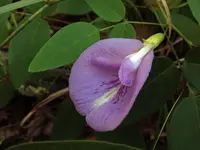
Atlantic pigeonwings (Clitoria mariana) is a small, twining perennial wildflower in the pea family, valued for its delicate, butterfly-like purple flowers. It typically grows low to the ground or lightly climbs nearby support, forming an airy, informal clump of slender stems and narrow leaflets.

This species is native to dry, open woodlands and sandy slopes in the eastern and central United States. It tends to be long-lived where conditions suit it, but can be slow to establish from seed, which slightly increases the effort needed to care for Atlantic pigeonwings.

The plant generally prefers full sun to light shade, with well-drained, moderately poor soil and low to moderate moisture, making it better suited to naturalistic or low-input gardens than highly irrigated beds.

Main Plant Requirements

Care Difficulty

Easy Care

Light Preference

Full Sun

Water Requirements

Moderate Water

Temperature Preference

Warm Climate

Hardiness Zone

5–9

Soil Texture

Sandy, Loamy, Rocky

Soil pH

Acidic (5.5–6.5), Slightly acidic (6.5–7.0)

Soil Drainage

Well-drained

Fertilization

Minimal (feed rarely)

Get Personalized Care Plan

Scan your plant to receive care tips personalized for your specific plant

Available on iOS and Android

How to Care for the Atlantic pigeonwings

Clitoria mariana grows best in sites with strong light but some protection from harsh afternoon sun.

  • Provide 6–8 hours of direct sun, ideally with morning sun and light afternoon shade, especially in hotter regions.
  • Tolerates partial shade (about 3–4 hours of direct sun), but flowering of Atlantic pigeonwings declines and stems may stretch in deeper shade.
  • In hot summers, protect from intense late-afternoon sun to reduce leaf scorch; in cooler seasons, ensure more open exposure to maintain bloom production.

Clitoria mariana prefers evenly moist, well-drained soil rather than constantly wet conditions.

  • Outdoors in the ground, water when the top 3–5 cm of soil feels dry, adjusting after rain or drought rather than following a fixed schedule.
  • Ensure sandy or loamy soil with good drainage; standing water, sour smell, or yellowing, soft leaves signal overwatering and possible root stress.
  • In hot, dry weather, expect to water more often as leaves dull or slightly wilt by late day, then recover quickly after deep soaking at the root zone.

This species thrives in warm temperate to subtropical conditions and dislikes hard frost.

  • Optimal growth occurs around 70–85°F (21–29°C), with strongest flowering during consistently warm, bright weather.
  • Tolerates brief dips to about 25°F (-4°C) once established, but repeated freezes can damage top growth; mulch roots in colder climates.
  • Handles summer heat up to about 95°F (35°C) if soil moisture is maintained; in prolonged heat waves, reduce stress with light afternoon shade and mulch.

Clitoria mariana tolerates a wide humidity range and usually does not need special humidity control in typical home conditions.

  • Target 30–60% relative humidity, similar to most occupied indoor spaces or sheltered outdoor sites.
  • Leaves may curl slightly or brown at the tips if exposed to prolonged very dry air combined with strong heat or wind.
  • Increase local humidity only if needed by grouping plants or placing the container near, but not over, a tray of water and stones.

Clitoria mariana prefers loose, well-drained, slightly sandy soil that does not stay wet for long periods.

  • Use a mix of roughly 50–60% all-purpose potting mix, 20–30% coarse sand, and 10–20% perlite to mimic naturally lean, aerated soils.
  • Ensure water drains through quickly; soil should feel airy and crumbly, not compacted or sticky after watering.
  • Aim for slightly acidic to neutral pH, around 6.0–7.0, avoiding strongly alkaline substrates that may reduce nutrient availability.
  • Avoid heavy clay, high-peat, or constantly soggy conditions, which can lead to root rot and weak, lanky growth.

This species grows reliably in containers if the pot supports its deep root system and vining habit.

  • Choose a pot at least 30–35 cm deep to accommodate the taproot and reduce stress during hot, dry periods.
  • Select a heavier material such as terracotta or ceramic to anchor vines and prevent tipping when supports are added.
  • Position the container where a trellis or rail is available so stems can climb rather than trail and tangle at the rim.

Clitoria mariana is a low-feeding native that benefits from modest nutrition in poor soils or containers.

  • Use a balanced, diluted liquid fertilizer (e.g., 10-10-10 at 1/2 strength) or light compost in spring and mid-summer.
  • Feed every 4–6 weeks during active growth if soil is sandy or low in organic matter.
  • Stop feeding in late summer so growth hardens before cold weather.
  • For Atlantic pigeonwings in pots, use a slow-release balanced fertilizer mixed into the top soil layer.

Clitoria mariana responds well to light structural pruning that keeps vines tidy and flowering well.

  • Carry out main pruning in late winter or very early spring before strong new growth starts.
  • Remove dead, damaged, or weak stems first, then thin crowded shoots to improve light and airflow.
  • Tip back overly long vines to control spread and encourage branching and more blooms.
  • Use clean, sharp pruning shears and make angled cuts just above a leaf node.

This species is more often transplanted in the ground than grown long-term in containers.

  • Transplant in early spring or early fall, when temperatures are mild and soil moisture is steady.
  • Move plants when growth slows, roots circle the pot, or soil dries out very quickly after watering.
  • Lift with a wide root ball, disturb roots as little as possible, and replant at the same depth in well-drained soil.
  • Water thoroughly after transplanting, then keep soil evenly moist for 2–3 weeks to limit transplant shock.

Clitoria mariana is most commonly propagated from seed, with stem cuttings as a secondary option.

  • Collect ripe seed pods in late summer to early fall and dry them before storing.
  • Sow seeds in spring in a well-drained seed mix, barely covered, at 68–75°F with steady moisture.
  • Scarify hard seed coats lightly with sandpaper to improve germination rates.
  • For softwood cuttings, use 8–10 cm tips in late spring, rooting them in warm, humid, bright shade.

Established Clitoria mariana plants are fairly cold hardy and usually need minimal winter intervention in the ground.

  • In colder zones, apply a 5–8 cm mulch layer over the root zone after the ground cools, not touching stems.
  • Allow top growth to die back naturally; cut away dead stems in late winter or early spring.
  • For container plants in regions below about 20°F, shift pots into an unheated but frost-free space.

Care Tips

Encourage Deep Roots

In the first growing season, water more deeply but less often and allow the top 3–5 cm of soil to dry between waterings so the plant develops a deep, drought-tolerant root system.

Provide Light Support

In open, windy sites, install low, discreet twigs, pea netting, or a small wire frame for the stems to lean on, which reduces lodging and breakage without forcing the plant into a tall vine.

Seed Scarification Prep

Before sowing, lightly nick the seed coat with a nail file or soak seeds in room-temperature water for 8–12 hours to speed and even out germination.

Timed Deadheading

If self-seeding is not desired, remove spent flowers before pods mature, but leave a few pods on selected plants if you want to collect seed for future propagation.

Monitor Nitrogen Levels

Avoid high-nitrogen fertilizers or recent manure in the planting area, since this legume fixes its own nitrogen and excess levels can suppress flowering and cause weak, lush growth when growing Atlantic pigeonwings.

Common Pests and Diseases

Bean leaf beetles

These insects feed on foliage and sometimes flowers, leaving rounded holes and a shot-hole appearance on leaves of this native legume.

Solution

Hand-pick adults where feasible and use light row covers on young plants; in larger plantings, encourage natural predators and, if defoliation is severe, spot-treat foliage with a targeted pyrethrin or spinosad product labeled for beetles, following label directions carefully.

Grasshoppers

This pest chews irregular chunks from leaves and tender shoots, which can noticeably thin the foliage of outdoor clumps in late summer.

Solution

Reduce hiding sites by keeping nearby weeds and tall grasses cut, use floating row covers on young or newly transplanted plants, and where pressure is high, apply a baits-based grasshopper control product around but not on the plants according to label instructions.

Leaf spot

This disease causes small brown to dark-purple spots that may enlarge and merge, leading to premature yellowing and drop of older leaves, especially in humid conditions.

Solution

Remove and discard heavily spotted leaves, avoid overhead watering, and improve airflow by spacing plants; in recurring cases, apply a copper-based or chlorothalonil fungicide labeled for ornamental legumes at the first appearance of new spots.

Powdery mildew

This disease appears as white to gray, powdery patches on upper leaf surfaces and sometimes stems, which can lead to distorted, dull foliage and reduced flowering late in the season.

Solution

Increase sun exposure where possible, thin surrounding vegetation for better airflow, avoid excess nitrogen fertilization, and treat early infections with a horticultural oil or potassium bicarbonate product labeled for powdery mildew, making sure to coat both surfaces of the leaves.

Interesting Facts

Eastern US native

This species is native to sandy and rocky habitats of the eastern and central United States, often found in dry open woods, road banks, and glades rather than in moist forest understories.

Specialized leaf movements

The leaves show nyctinasty, a daily sleep movement where the leaflets fold together at night or in low light, a trait common in the pea family but well expressed and easily observed in this species.

Pollinator-focused flowers

The purple, pigeon-shaped flowers are adapted for bee pollination, with a specialized petal structure that guides visiting bees to the nectar and pollen while ensuring effective transfer of pollen between flowers.

Botan icon

Did you know?

Clitoria mariana is considered a conservative species in parts of its range, meaning it often indicates relatively undisturbed, high-quality natural habitats when encountered in the wild.

FAQs about Atlantic pigeonwings

This species spreads slowly by short rhizomes and self-seeding but is not usually aggressive. It forms loose patches over time, especially in sandy, disturbed soils, and is generally easy to keep within defined beds or borders.

Grow Healthy Plants with Botan Care

Keep your plants happy and healthy with plant identification, disease detection, and easy care guidance.

Botan plant care app — identify plants on mobile

Explore More Plants