Staggered Succession Sowing
Sow small batches of seed every 2–3 weeks in late winter and spring so flowering overlaps and reduces gaps in bloom, which is useful for both display and pollinator support when growing shortleaf rose gentian.

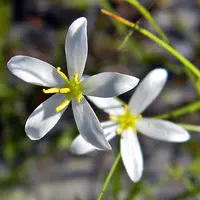
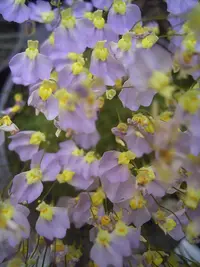
Shortleaf rose gentian (Sabatia brevifolia) is a small, short-lived perennial wildflower in the gentian family. It forms low basal rosettes topped by slender upright stems. The plant produces flat, star-shaped pink flowers with a yellow center, usually held singly on each stem, giving a delicate, airy look. Foliage is narrow and sparse, so the blooms are the main feature. Native to the sandy flatwoods and wet prairies of the southeastern United States, it often appears in seasonally moist, open habitats. It can be challenging to maintain in typical garden beds, as it prefers acidic, sandy, low-nutrient soils and consistent moisture without stagnation. Understanding these natural conditions helps guide how to care for shortleaf rose gentian in cultivation.

Care Difficulty
Moderate Care

Light Preference
Full Sun

Water Requirements
Keep Soil Moist

Temperature Preference
Warm Climate

Hardiness Zone
8–10

Soil Texture
Sandy, Loamy, Organic-rich

Soil pH
Acidic (5.5–6.5)

Soil Drainage
Moist but well-drained

Fertilization
Minimal (feed rarely)
Scan your plant to receive care tips personalized for your specific plant
Available on iOS and Android
This sun-loving wildflower performs best in open, bright sites with little competition or shade.
This species prefers consistently moist, sandy or peaty soil but not stagnant, airless conditions.
This North American wildflower is adapted to warm, mild climates with limited cold tolerance.
This species handles a fairly wide humidity range but grows best in moderately moist air.
This plant prefers light, well-drained yet evenly moist soil that mimics open, sandy habitats.
This species can be grown in containers if the pot closely replicates its airy, free-draining root conditions.
This native wildflower generally needs little feeding, especially in lean, sandy soils.
Pruning Sabatia brevifolia is minimal and mainly aims to keep plants tidy and flowering well.
This species is usually grown in the ground, where it dislikes frequent disturbance of its root system.
Propagation of Sabatia brevifolia is usually done from seed and suits patient growers best.
In its native range, Sabatia brevifolia is relatively cold tolerant and usually needs little specific winter care.

Plant Health Check
Not sure what's wrong with your plant? Check your plant's health inside the app.
This species is native to the southeastern United States and is strongly associated with seasonally wet, acidic flatwoods and savannas, especially in Florida, rather than a broad range of habitats.
Plants typically complete their entire life cycle within a single growing season, relying on frequent seed production and natural disturbance, such as periodic fire, to maintain populations.
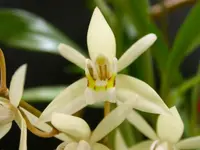
The flowers show a characteristic pattern of white petals marked with a small yellow and green center, which helps distinguish it from many other pink-flowered Sabatia species in the same region.

Shortleaf rose gentian often appears in high numbers after prescribed burns in pine flatwoods, because the open, sunlit, post-fire conditions and reduced competition favor its germination and flowering.
This species usually flowers in late spring to mid-summer, depending on climate and local conditions. Blooming can last several weeks, especially if temperatures are moderate and soil moisture stays consistent without prolonged drought or waterlogging.
Keep your plants happy and healthy with plant identification, disease detection, and easy care guidance.