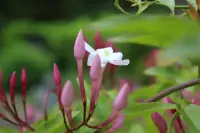
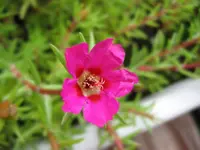
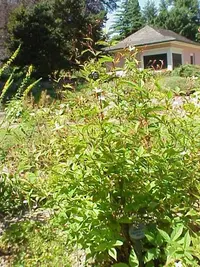
pink sand verbena Care (Abronia umbellata)

Also known as: Beach Sand Verbena
pink sand verbena

About pink sand verbena

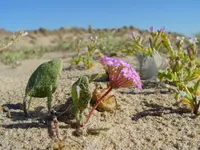
Pink sand verbena, Abronia umbellata, is a low, spreading coastal wildflower native to sandy beaches of the western United States. It forms loose mats of succulent, slightly sticky foliage.

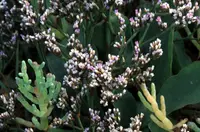
Rounded clusters of small, fragrant pink to magenta flowers rise above the leaves and attract moths and other nighttime pollinators. Plants are usually short-lived perennials or annuals, depending on climate and site.

This species is adapted to dry, fast-draining, sandy soils and open, sunny locations with good air movement. It tolerates drought and poor soils but resents heavy, wet ground.

Gardeners who want to care for pink sand verbena should understand that it prefers conditions that mimic a beach environment rather than a regular irrigated garden bed.

Main Plant Requirements

Care Difficulty

Moderate Care

Light Preference

Full Sun

Water Requirements

Low Water

Temperature Preference

Tropical / Frost Sensitive

Hardiness Zone

9–11

Soil Texture

Sandy, Rocky

Soil pH

Slightly acidic (6.5–7.0), Neutral (7.0)

Soil Drainage

Well-drained

Fertilization

Minimal (feed rarely)

Get Personalized Care Plan

Scan your plant to receive care tips personalized for your specific plant

Available on iOS and Android

How to Care for the pink sand verbena

Abronia umbellata thrives in bright, open coastal-style light conditions with ample direct sun.

  • Provide 6–8 hours of direct sun daily; morning sun plus light afternoon exposure suits most climates for caring for pink sand verbena.
  • In hotter inland areas, give full sun until early afternoon, then light shade or filtered light to reduce leaf scorch and flower fade.
  • In cool or foggy coastal zones, choose the sunniest, south-facing spot; if stems stretch or flowering drops, increase direct sun exposure.

Abronia umbellata prefers drier, well-drained conditions and is sensitive to excess moisture.

  • Water only when the top 3–5 cm of soil are completely dry, using a deep soak that reaches the root zone, then allow the soil to dry again.
  • Choose sandy or gritty soil with sharp drainage; if water puddles for more than 1–2 minutes after watering, drainage is too poor and roots may rot.
  • Reduce watering in cool or cloudy seasons; wilting with dry, crisp leaves suggests underwatering, while yellowing, soft stems indicate overwatering.

This coastal wildflower favors mild, dry conditions and does best without temperature extremes.

  • Aim for daytime temperatures of 60–75°F (16–24°C) for strongest growth and flowering, with slightly cooler nights tolerated.
  • Mature plants handle short heat spells up to about 90°F (32°C) if soil is not wet and roots are shaded by surrounding sand or mulch.
  • Avoid frost; damage often occurs below 32°F (0°C), so protect plants with fabric covers or grow as a warm-season annual in colder regions.

Abronia umbellata handles low humidity well and rarely needs special moisture control.

This coastal species needs very fast-draining, sandy soil to prevent root problems.

  • Use a mix of roughly 60–80% coarse sand with the rest light, gritty material such as perlite or fine gravel.
  • Keep organic matter low to moderate; add only a small amount of compost to avoid water retention.
  • Aim for slightly acidic to neutral pH, around 6.0–7.0, which supports nutrient uptake without stressing the roots.
  • Avoid clay-heavy or compacted substrates that stay wet, as these quickly lead to root rot in Abronia umbellata.

This species can grow in containers if the pot drains rapidly and mimics sandy coastal conditions.

  • Select a wide, shallow pot to match the plant’s spreading root system and limit water buildup at depth.
  • Choose unglazed terracotta to increase evaporation from the sides and keep the mix from staying wet too long.
  • Raise the container on pot feet or bricks so drainage holes never sit in collected runoff, preventing roots from standing in water.

Abronia umbellata is adapted to low-nutrient sandy soils and usually needs only light feeding in gardens or containers.

  • Use a low-dose balanced NPK fertilizer or thin layer of compost in spring, avoiding rich, heavy soils.
  • Feed every 6–8 weeks during active growth if soil is poor, skipping feeding on naturally fertile sites.
  • Dilute liquid fertilizers to 1/2–1/4 strength to prevent soft, weak growth in pink sand verbena.
  • Stop feeding in late summer so plants can harden growth before cooler weather.

Pruning Abronia umbellata is minimal and mainly helps keep plants compact and flowering well.

  • Best time is late winter to early spring, before vigorous new growth starts.
  • Snip off dead, damaged, or diseased stems with clean, sharp scissors or hand pruners.
  • Lightly shorten leggy, sprawling shoots to encourage bushier growth and more flower clusters.
  • Remove spent flower heads to tidy plants and may extend blooming in suitable climates.

Abronia umbellata is usually grown in the ground, but careful transplanting or container moves can succeed if roots are disturbed as little as possible.

  • Transplant in late spring after frost risk, when seedlings have several true leaves but roots are not pot-bound.
  • Look for roots circling the pot or poor drainage as signs a container plant needs a larger, shallow pot.
  • Water thoroughly before moving, then slide the rootball out gently, keeping sandy soil intact around the roots.
  • Replant at the same depth in very free-draining soil, water once to settle, then allow the surface to dry slightly.

Abronia umbellata is most often propagated from seed, with stem cuttings possible in controlled conditions.

  • Sow fresh seed in late winter to early spring in a very sandy, well-drained mix kept just barely moist.
  • Provide bright light and mild warmth around 65–75°F to support germination and seedling growth.
  • For cuttings, take non-flowering shoots in late spring, dip bases in rooting hormone, and insert into coarse sand or a gritty mix.
  • Maintain high air humidity but avoid waterlogged media to limit rot while roots develop.

Abronia umbellata prefers mild coastal climates and may not survive harsh winters without protection.

  • In zones warmer than USDA 8, plants often overwinter outdoors in well-drained sandy soil.
  • Apply a light, dry mulch around the crown in late fall to buffer brief cold snaps without trapping excess moisture.
  • In colder zones or containers, move plants to a cool, bright, frost-free place for winter.

Care Tips

Sandier Top Layer

After planting, add a 1–2 cm topdressing of clean coarse sand around the crown to keep the neck dry, reduce rot risk, and mimic the plant’s natural dune conditions.

Low Mulch Strategy

If mulch is needed, keep it very thin and stop it at least 5 cm away from the stems so the base stays airy and dry rather than staying damp.

Wind-Shaping Support

In exposed coastal or open sites, use low, flexible stakes or small rocks to gently guide stems along the ground, encouraging a stable, spreading mat that resists wind damage.

Flowering Refresh Trim

Once the main flush of blooms starts to fade, lightly shear back spent inflorescences by 2–3 cm to encourage a tidier plant and a possible second, lighter flowering.

Encouraged Self-Seeding

Leave some mature seed heads on healthy plants and avoid heavy raking so seeds can drop into place and create a natural colony, which is one of the most sustainable approaches to growing pink sand verbena.

Common Pests and Diseases

Leaf spot

This disease causes small tan to dark brown spots on the foliage, often with a slightly yellow halo and occasional coalescing patches on older leaves.

Solution

Remove and discard affected leaves, avoid overhead watering, and water early in the day so foliage dries quickly; in damp, coastal gardens with recurring issues, improve spacing and airflow around plants and consider a labeled copper- or chlorothalonil-based fungicide used according to local guidelines for Abronia umbellata care.

Powdery mildew

This disease produces a white to gray powdery coating on leaves, stems, and sometimes flower stems, which can lead to dull, distorted foliage in humid but not overly wet conditions.

Solution

Increase air circulation around plants, avoid wetting foliage, remove the most affected shoots, and if needed apply a sulfur or potassium bicarbonate fungicide labeled for ornamental annuals, following directions carefully in warm, dry coastal climates where Abronia grows.

Spider mites

These pests are tiny sap feeders that cause fine stippling, a dull grayish cast to leaves, and delicate webbing on the undersides of foliage during hot, dry spells.

Solution

Rinse plants thoroughly with a strong but gentle stream of water, focusing on leaf undersides, then maintain slightly higher humidity around the foliage and, if populations remain high, use insecticidal soap or horticultural oil, ensuring full coverage without spraying during the hottest part of the day.

Aphids

These insects cluster on young stems and flower stalks, sucking sap and excreting sticky honeydew that can attract sooty mold and reduce flowering.

Solution

Pinch or wash off colonies with a firm stream of water, encourage natural predators such as lady beetles, and when infestations persist apply insecticidal soap or a light horticultural oil, coating all tender growth and repeating as needed according to product directions.

Interesting Facts

Dune specialist

This species is naturally restricted to loose, sandy coastal dunes on the Pacific coast of western North America, where its trailing stems help stabilize shifting sand.

Night-scented flowers

The pink flower clusters open mostly in the late afternoon and evening and release a stronger scent at night, which helps attract nocturnal moth pollinators.

Endangered coastal form

The subspecies Abronia umbellata subsp. breviflora, native to coastal Oregon and Washington, is listed as endangered in the US due to dune habitat loss and human disturbance.

Botan icon

Did you know?

The seeds of this plant are enclosed in a papery, wing-like structure that allows wind and water to carry them along beaches and dunes, aiding long-distance dispersal along the coast.

FAQs about pink sand verbena

This species forms low, spreading mats but is not usually aggressive in well-drained, sandy sites. It can self-seed lightly. In gardens, simple edging or occasional trimming keeps growth within the desired area.

Grow Healthy Plants with Botan Care

Keep your plants happy and healthy with plant identification, disease detection, and easy care guidance.

Botan plant care app — identify plants on mobile

Explore More Plants