Iris barbatula Care

About Iris barbatula

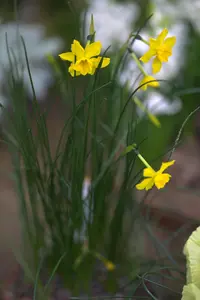
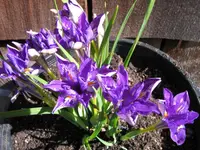
Iris barbatula is a compact rhizomatous iris, valued for its narrow, grass-like leaves and elegant bearded flowers in shades of purple or blue. Plants usually form low clumps that suit borders, rock gardens, and naturalistic plantings.

This species is native to parts of China, typically found on slopes and open habitats with good drainage. It tends to be moderately easy to grow if given sun, well-drained soil, and protection from waterlogging.

Gardeners who care for Iris barbatula appreciate its relatively tidy habit and seasonal interest, though it does best where winters are cool and summers are not extremely hot.

Main Plant Requirements

Care Difficulty

Moderate Care

Light Preference

Partial Sun

Water Requirements

Moderate Water

Temperature Preference

Cool Climate

Hardiness Zone

5–8

Soil Texture

Loamy, Sandy, Rocky

Soil pH

Acidic (5.5–6.5), Slightly acidic (6.5–7.0)

Soil Drainage

Well-drained

Fertilization

Minimal (feed rarely)

Get Personalized Care Plan

Scan your plant to receive care tips personalized for your specific plant

Available on iOS and Android

How to Care for the Iris barbatula

This species prefers bright, open conditions that balance strong light with protection from extremes.

  • Provide 6–8 hours of direct sun daily, with morning sun and light afternoon shade ideal in hot summers to protect foliage from scorching.
  • In cooler regions, full sun all day promotes sturdy growth and flowering; in warmer zones, aim for 4–6 hours direct sun plus bright, filtered light later.
  • If Iris barbatula produces weak, floppy leaves or sparse blooms, it likely needs more sun; move it away from dense shade or overhanging shrubs.

Watering should support steady growth while keeping the rhizomes from sitting in prolonged wetness.

  • Allow the top 3–5 cm of soil to dry after flowering, then water thoroughly so moisture reaches the rhizomes but drains within minutes.
  • During active spring growth, soil may stay lightly moist; in summer dormancy or very cold weather, reduce watering once foliage yellows to avoid rot.
  • Install in free-draining soil or raised beds; signs of overwatering include soft, mushy rhizomes and yellowing leaves, while dry, browning tips indicate underwatering.

This hardy iris tolerates a broad climate range but performs best in cool to moderate conditions.

  • Optimal growing temperatures are around 55–75°F (13–24°C), with cool nights supporting strong roots and good flowering the following season.
  • Dormant rhizomes usually handle winter down to about 0°F (−18°C) if soil drains well; prolonged freeze in waterlogged ground increases rot risk.
  • In hot summers above 86–90°F (30–32°C), provide mulch to keep roots cooler, avoid reflected heat from walls, and maintain airflow to limit stress.

This species handles a wide humidity range and rarely needs special humidity management outdoors.

  • Target 40–60% humidity for optimal leaf health, which matches typical outdoor and most indoor conditions in temperate climates.
  • Dry air is usually tolerated, but prolonged hot, windy exposure can cause leaf tip browning and faster moisture loss from the soil.
  • Increase local humidity only during extreme heat by grouping plants, using mulch on the root zone, or placing water trays nearby outdoors.

Iris barbatula prefers lean, sharply drained soil that never stays waterlogged.

  • Use a gritty, loamy mix such as 50% garden loam, 30–40% coarse sand or fine gravel, and 10–20% compost for moderate nutrients.
  • Ensure very fast drainage; raised beds or sloped sites help water run off and reduce the risk of rhizome rot.
  • Aim for slightly acidic to neutral pH around 6.0–7.0, avoiding highly acidic or strongly alkaline conditions that reduce nutrient availability.
  • Improve aeration and drainage by incorporating coarse sand or small grit through the top 15–20 cm and never planting in compacted clay.

This species can be grown in containers if drainage and root space are carefully managed.

  • Choose a pot at least 25–30 cm deep so the rhizomes sit just below the surface while roots can extend downward freely.
  • Select a heavy, stable container material such as ceramic or thick-walled clay to prevent tipping from upright foliage and flower stalks.
  • Elevate the pot on feet or bricks so drainage holes stay clear and excess water escapes quickly after irrigation or rain.

This species grows well in moderate fertility and benefits from light feeding on poor soils.

  • Apply a balanced slow-release fertilizer (around 10-10-10) once in early spring as new growth starts.
  • On sandy or nutrient-poor soils, repeat a light application in midsummer if flowering seems reduced.
  • Use compost as a thin top-dressing, keeping it off the rhizomes to prevent rot.
  • Always apply fertilizers at half the label rate and water in well to avoid salt buildup.

Pruning needs for Iris barbatula are minimal and focus on hygiene rather than shaping.

  • In late fall or after hard frost, cut back spent foliage to 5–10 cm above the rhizomes to reduce disease carryover.
  • Remove dead, yellowing, or diseased leaves during the growing season with clean, sharp scissors or snips.
  • After flowering, trim only the spent flower stalks, leaving healthy leaves to feed the rhizomes.
  • Thin out any crowded, weak fans when dividing clumps to maintain airflow and consistent blooming.

This iris is usually grown in the ground, with transplanting focused on dividing clumps rather than frequent repotting.

  • Plan to lift and divide clumps every 3–4 years if flowering declines or centers become bare.
  • Best timing is late summer to early fall, when flowering has finished and temperatures begin to cool.
  • Slice rhizomes into healthy sections with several fans and firm roots, discarding soft or diseased pieces.
  • Replant divisions with rhizomes just at or slightly above soil level, water deeply, and shade lightly for 7–10 days to reduce stress.

Division is the standard method for increasing Iris barbatula while maintaining identical traits.

  • Divide established clumps in late summer to early fall, when soil is workable and plants are not in active bloom.
  • Lift the clump, gently shake off soil, and separate rhizomes by hand or with a clean knife.
  • Select firm rhizomes with at least 1–2 healthy fans and trim foliage to 10–15 cm to limit moisture loss.
  • Replant in well-drained soil, keep rhizomes near the surface, and water lightly until new roots establish.

This iris is generally cold hardy in temperate climates and needs only modest winter care outdoors.

  • Tolerates typical frost in most garden zones but benefits from well-drained soil to avoid rhizome rot.
  • After foliage dies back, apply a light mulch layer around, not over, rhizomes to buffer freeze–thaw cycles.
  • In very cold or wet climates, grow Iris barbatula in containers and move pots to a sheltered, unheated area.

Care Tips

Rhizome Heat Control

In hot climates, mulch around but not over the rhizomes with a light-colored mineral mulch (such as fine gravel) to keep the root zone cooler while still allowing rhizome tops to stay exposed and dry.

Post-Bloom Seed Removal

After flowering, snip off developing seed pods so the plant redirects energy into rhizome growth and next year’s flower production rather than seed formation.

Clump Rejuvenation Timing

Divide congested clumps in late summer only after foliage has naturally declined, replanting firm outer rhizome sections at the same depth and spacing them 20–25 cm apart to maintain flowering performance.

Targeted Slug Management

Place low, flat dishes of beer or yeast solution at soil level near the plants for a few nights in spring to reduce slug and snail damage to emerging fans without resorting immediately to broad-spectrum pesticides.

Winter Wet Protection

In regions with cold, wet winters, grow Iris barbatula on a slight slope or raised bed and add a thin grit layer around rhizomes in autumn to improve drainage and reduce rot risk during prolonged moisture.

Common Pests and Diseases

Iris borer

This pest is the larva of a moth that tunnels inside iris leaves and rhizomes, causing streaked foliage, rot, and weakening of clumps.

Solution

Remove and destroy any infested, streaked, or hollow leaves and rhizomes as soon as damage is seen, and clean up all old foliage and plant debris in fall to remove overwintering eggs. In areas with a known history of iris borers, monitor new growth in spring and apply a targeted biological insecticide containing Bacillus thuringiensis (Bt) to young foliage according to label directions before larvae enter the leaves.

Rhizome soft rot

This disease is a bacterial infection that causes foul-smelling, mushy rhizomes, yellowing foliage, and plant collapse, especially in poorly drained or overwatered sites.

Solution

Dig up affected rhizomes, cut away all soft, discolored tissue, and discard severely rotted pieces, then allow healthy cut surfaces to dry for 1–2 days before replanting in well-drained soil with the rhizome top at or just above the surface. Avoid overhead watering, keep the rhizome zone open to air and sun, and space plants to improve airflow as part of consistent Iris barbatula care instructions.

Leaf spot (Didymellina)

This disease produces brown or purplish spots on leaves that can merge into larger blotches, reducing vigor and flowering over time.

Solution

Cut off and dispose of spotted leaves during the growing season and remove all dead foliage in fall to reduce the source of spores. Provide good spacing and sun, avoid prolonged leaf wetness, and in recurrent cases use a labeled ornamental fungicide early in the season when new leaves emerge.

Aphids

These insects are small, soft-bodied sap feeders that cluster on young leaves and flower stalks, causing distortion, sticky honeydew, and sometimes virus spread.

Solution

Wash colonies off with a firm stream of water, repeating every few days until numbers drop, and pinch off heavily infested soft tips if needed. Encourage or conserve natural predators such as lady beetles, and if populations remain high, use insecticidal soap or a light horticultural oil, making sure to coat both upper and lower leaf surfaces.

Slugs and snails

These pests chew irregular holes in leaves and young fans, especially in damp, shaded spots, and can disfigure new growth.

Solution

Hand-pick slugs and snails during the evening, reduce hiding places by removing dense debris, and avoid thick, wet mulch right against the rhizomes. If damage continues, set out beer traps, iron phosphate bait, or other slug baits labeled for ornamental beds, following label directions to protect pets and wildlife.

Interesting Facts

High-altitude specialist

Iris barbatula is naturally found on rocky slopes and alpine meadows in western China, often at relatively high elevations where summers are cool and soils drain quickly.

Distinctive bearded signal

The species has a dense beard of short, colored hairs on the falls (the outer tepals), which acts as a visual and tactile guide for pollinators toward the nectar and reproductive structures.

Compact rhizomatous habit

This iris forms short, creeping rhizomes that create low clumps rather than tall fans, a growth form that helps it withstand wind and temperature fluctuations in exposed mountain habitats.

FAQs about Iris barbatula

Lack of flowers often comes from insufficient sun, overcrowded clumps, or rhizomes planted too deep. Excess nitrogen fertilizer can also favor leaves over buds. Dividing old clumps and correcting planting depth usually restores flowering within a season or two.

Grow Healthy Plants with Botan Care

Keep your plants happy and healthy with plant identification, disease detection, and easy care guidance.

Botan plant care app — identify plants on mobile

Explore More Plants