Iris alberti Care

About Iris alberti

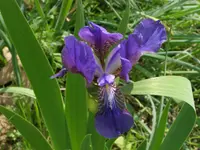
Iris alberti is a rhizomatous perennial iris known for its elegant, upright sword-like leaves and large, violet to bluish flowers with delicate patterning. It forms compact clumps that return each year. Native to Central Asia, it typically grows in open, sunny steppe and rocky habitats with relatively dry conditions. This origin makes it better suited to cooler, drier climates than to hot, humid regions.

It is considered moderately challenging, mainly because it needs excellent drainage and dislikes prolonged wetness around the rhizomes. Gardeners who understand how to care for Iris alberti usually provide full sun, free-draining soil, and moderate moisture without waterlogging.

Main Plant Requirements

Care Difficulty

Moderate Care

Light Preference

Full Sun

Water Requirements

Moderate Water

Temperature Preference

Cool Climate

Hardiness Zone

4–8

Soil Texture

Sandy, Loamy, Rocky

Soil pH

Slightly acidic (6.5–7.0), Neutral (7.0)

Soil Drainage

Well-drained

Fertilization

Minimal (feed rarely)

Get Personalized Care Plan

Scan your plant to receive care tips personalized for your specific plant

Available on iOS and Android

How to Care for the Iris alberti

This sun-loving steppe iris performs best in bright, open conditions with some protection from harsh heat.

  • Provide 6–8 hours of direct sun daily, ideally with full morning sun and light afternoon shade in hotter regions.
  • Allow light, shifting shade in the hottest part of the day; intense afternoon sun can scorch leaves and fade flowers.
  • Ensure the planting site stays unshaded by taller plants or structures, especially in spring, so Iris alberti receives strong light during active growth.

This rhizomatous iris prefers moderate moisture during growth and drier conditions when dormant.

  • Water when the top 3–5 cm of soil feels dry, giving a deep soak so moisture reaches the rhizomes, then let the surface dry again.
  • Use free-draining soil or raised beds so water never pools around the rhizomes; consistently soggy soil leads to rot and yellowing leaves.
  • Reduce watering after flowering and in summer dormancy, watching for wrinkling foliage as a sign of underwatering and soft, mushy rhizomes as a sign of excess moisture around Iris alberti.

This species is adapted to continental climates with cold winters and warm, dry summers.

  • Aim for active growth in spring at 55–70°F (13–21°C), which supports strong foliage and flower development.
  • Mature plants tolerate winter lows down to about 0°F (−18°C) with good drainage; prolonged freeze-thaw cycles in wet soil increase rot risk.
  • In summer, plants handle 80–90°F (27–32°C) if the soil is not waterlogged; hot, humid conditions are less suitable than dry heat for Iris alberti care.

This species handles low to moderate atmospheric humidity and rarely needs special adjustment outdoors.

  • Target 30–50% humidity; typical indoor air suits Iris alberti without additional humidification.
  • It tolerates short dry-air spells, but prolonged very dry air plus heat can crisp leaf tips.
  • Humidity stress shows as browning edges, folding leaves, and slower growth, especially in hot, windy spots.
  • Outdoors, shelter plants from strong drying winds; indoors, group pots or place on a pebble tray if air is very dry.

This iris needs free-draining, mineral-lean soil to prevent rhizome rot and ensure strong flowering.

  • Use a sandy or gritty loam with a loose, open structure so water moves through quickly but roots still anchor well.
  • Aim for slightly alkaline to neutral pH, around 6.8–7.8, which supports nutrient availability for Iris alberti.
  • Blend roughly 60–70% coarse sand or grit with 30–40% garden loam plus a small amount of compost for structure, not richness.
  • Improve drainage and aeration further by raising beds, avoiding heavy clay, and never planting where water stands after rain.

This species can be grown in containers if the pot and substrate prevent any standing moisture around the rhizomes.

  • Choose a wide, shallow container so rhizomes can sit near the surface with space to spread horizontally.
  • Use a heavy, stable pot material such as clay or ceramic to keep tall flower stalks from tipping the container in wind.
  • Fill the pot with a very gritty mix and elevate it on pot feet to speed water escape from drainage holes after rain or watering.

This species benefits from modest feeding to support flowering without forcing soft, weak growth.

  • Apply a balanced, slow-release fertilizer (around 10-10-10) in early spring as new foliage emerges, following label rates.
  • Supplement poor soils with a thin layer of well-rotted compost around, not over, the rhizomes of Iris alberti.
  • During active growth, a light liquid feed at 1/2 strength every 4–6 weeks is usually sufficient.
  • Stop feeding in late summer and avoid fertilizing during fall and winter dormancy.

Pruning focuses on cleaning and tidying the clump rather than reshaping the plant.

  • In late spring or after flowering, cut spent flower stalks back to the base to direct energy into rhizomes.
  • Remove dead, yellowed, or diseased leaves promptly using clean, sharp scissors or hand pruners.
  • Thin out congested fans every few years when dividing to maintain airflow and flowering performance in Iris alberti.
  • Trim foliage to 10–15 cm when lifting or dividing, which reduces water loss and transplant stress.

This rhizomatous iris is usually grown in the ground and is moved mainly by lifting and dividing clumps.

  • Plan transplanting for late summer to early fall, once flowering has finished and temperatures begin to cool.
  • Divide and replant every 3–5 years when flowering declines, fans crowd, or rhizomes heave out of the soil.
  • If in a container, repot when roots circle the pot or growth slows, using a free-draining, gritty mix.
  • Reduce root stress by watering well the day before, trimming foliage, replanting rhizomes shallowly, and shading for 2–3 days.

This plant is most reliably increased by division of rhizomes rather than by seed.

  • Lift and divide clumps in late summer to early fall, selecting firm, healthy rhizomes with at least 1–2 leaf fans.
  • Cut rhizomes into sections with a clean knife, discarding woody, diseased, or leafless centers.
  • Replant divisions with the top of the rhizome just at or slightly above soil level in well-drained, sunny sites.
  • Seeds can be sown in cold frames, but division is preferred for maintaining true-to-type Iris alberti care.

This species is generally cold hardy but still benefits from basic winter preparation in colder regions.

  • After foliage dies back, remove soft, rotting leaves but leave healthy fans until they yellow naturally.
  • In climates with freeze-thaw cycles, apply a light mulch around, not over, the rhizomes to stabilize soil temperature.
  • Avoid heavy, wet mulch directly on rhizomes of Iris alberti, which increases rot risk in winter conditions.
  • For container-grown plants in very cold zones, move pots to a sheltered, unheated but frost-sheltered spot.

Care Tips

Bulb clump renewal

Lift and divide crowded rhizomes every 3–4 years in late summer, replanting only the firm, outer pieces to maintain flowering performance and reduce disease buildup when growing Iris alberti.

Targeted weed control

Hand-weed or use a narrow hoe around the rhizomes instead of deep cultivation, keeping competition low while avoiding damage to shallow roots and buds.

Spring staking setup

Install low, discreet ring supports or short pea sticks in early spring before stems elongate, so developing flower spikes stay upright in wind without tying later around fragile buds.

Disease sanitation routine

Remove and discard any spotted, yellowing, or mushy leaves and spent flower stalks promptly, especially in damp weather, to limit foliar fungi and bacterial soft rot around the rhizomes.

Winter moisture management

In regions with wet winters, plant on a slight slope or use a shallow raised ridge so excess water drains away from the rhizomes, reducing the risk of rot without needing extra coverings.

Common Pests and Diseases

Iris borer

This pest is the larva of a moth that tunnels into leaves and rhizomes, causing streaked foliage and sudden collapse of fans. Symptoms include ragged leaf edges, brown streaks, and mushy, foul-smelling rhizomes.

Solution

In early spring, remove and destroy old foliage and plant debris where moths lay eggs, then monitor leaves for feeding damage and crush any larvae found in leaf bases. Cut out and discard infested rhizome sections, leaving only firm tissue, and consider using a targeted systemic insecticide labeled for iris borers at the correct spring timing if infestations are recurrent.

Bacterial soft rot

This disease causes rhizomes to become soft, watery, and foul smelling, often following mechanical damage or borer injury. Symptoms include yellowing foliage, collapsed fans, and rotting tissue that easily breaks apart.

Solution

Dig up affected clumps, cut away all rotted tissue, and discard infected parts; allow healthy sections to dry for 1–2 days before replanting in a well-drained site. Avoid deep planting and overwatering, keep the rhizome tops exposed to air and light, and disinfect tools between plants using a 10% bleach solution or 70% alcohol.

Fungal leaf spot

This disease produces small, tan to brown spots on leaves, often with darker borders, that can merge into larger dead areas in humid or crowded conditions. Symptoms include premature browning and dieback of foliage, which weakens the plant over time.

Solution

Remove and discard affected leaves and any dense debris around the plants to lower humidity and reduce spore levels, then space clumps to improve airflow. Water at soil level instead of overhead and, in persistent cases, apply a registered fungicide for iris leaf spots according to label directions during the active growing season.

Aphids

These insects feed by sucking sap from young leaves and flower stalks, causing distortion, sticky honeydew, and sometimes sooty mold growth on the foliage. This pest can also vector plant viruses that stunt growth or distort flowers.

Solution

Wash colonies off with a firm stream of water, focusing on the undersides of leaves and new shoots, and remove heavily infested stalks if practical. Encourage or introduce natural enemies such as lady beetles, and if needed use an insecticidal soap or horticultural oil applied thoroughly and repeated as directed.

Rhizome nematodes

These microscopic roundworms feed inside rhizomes and roots, leading to poor vigor, stunted clumps, and distorted or sparse flowering. Symptoms include weak growth despite adequate care and sometimes dark, corky areas inside the rhizome when cut open.

Solution

Discard severely affected plants and avoid replanting irises in the same soil for several years, or rotate with non-host plants. Propagate only from healthy, firm rhizomes, improve soil drainage, and in high-value plantings consider using certified nematode-free stock or solarizing infested beds in warm climates before replanting to support long-term Iris alberti care.

Interesting Facts

Central Asian steppe specialist

This bearded iris is native to dry montane steppes of Central Asia, especially in Kazakhstan and adjacent regions, where it grows on rocky slopes and open grasslands rather than in moist meadow habitats typical for many other irises.

Compact, bluish foliage

The plant forms low, dense clumps of narrow, glaucous leaves, which means the foliage has a bluish, waxy surface that reduces water loss and reflects intense sunlight in its native arid climate.

Distinctive veined flowers

Its lilac to violet flowers show prominent darker veining on the falls (the drooping outer petals), creating strong visual contrast that likely helps guide pollinating insects toward the nectar source.

FAQs about Iris alberti

Lack of blooms often comes from planting the rhizomes too deep, overcrowded clumps, or insufficient winter chill. Heavy shade and high nitrogen fertilizer also reduce flowering. Divide every 3–4 years and ensure good sun exposure.

Grow Healthy Plants with Botan Care

Keep your plants happy and healthy with plant identification, disease detection, and easy care guidance.

Botan plant care app — identify plants on mobile

Explore More Plants