Bulb Marking Stakes
After the foliage dies back, place small, labeled stakes where each clump grows so you do not disturb dormant tubers when digging, weeding, or replanting nearby.


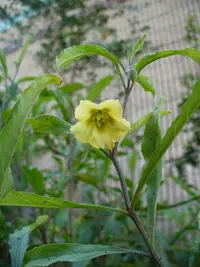
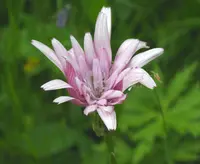
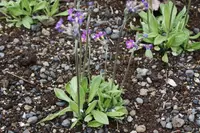
Palmate anemone, Anemone palmata, is a small, tuberous perennial from the buttercup family. It forms low clumps of finely divided, palmate leaves and delicate, butter-yellow spring flowers.
This species is native to Mediterranean regions, where it grows in open, often rocky habitats with mild, wet winters and dry summers. Its compact size and seasonal growth pattern make it suitable for rock gardens, sunny borders, or naturalized drifts in well-drained soil.
It can be moderately challenging to grow in climates with hot, wet summers, as the tubers are prone to rot in heavy or waterlogged soil. Gardeners who learn how to care for Palmate Anemone often succeed by mimicking its dry summer rest and cool, moist growing season.

Care Difficulty
Moderate Care

Light Preference
Full Sun

Water Requirements
Moderate Water

Temperature Preference
Cool Climate

Hardiness Zone
6–9

Soil Texture
Sandy, Loamy, Organic-rich

Soil pH
Acidic (5.5–6.5), Slightly acidic (6.5–7.0)

Soil Drainage
Well-drained

Fertilization
Minimal (feed rarely)
Scan your plant to receive care tips personalized for your specific plant
Available on iOS and Android
This Mediterranean perennial needs bright conditions with some protection from intense midday sun.
This species prefers evenly moist but fast-draining soil, especially during active growth and flowering.
This hardy tuberous perennial tolerates cool winters but grows best in mild, not extreme, temperatures.
Humidity plays a minor role for Anemone palmata, which adapts well to typical outdoor conditions in temperate climates.
Anemone palmata prefers light, well-drained, moderately fertile soil that does not stay wet for long periods.
This species can grow in containers if drainage and root-space depth are carefully managed.
This Mediterranean woodland perennial benefits from light feeding in lean soils but does not need heavy fertilization.
This small clumping perennial needs only light pruning to stay tidy and support good flowering.
This tuberous anemone is usually grown in the ground and prefers minimal disturbance once established.
This species is most often propagated by division of dormant tubers, with seed used mainly for larger-scale or specialty growing.
In mild climates this anemone is fairly cold tolerant and usually needs only basic winter care.

Plant Health Check
Not sure what's wrong with your plant? Check your plant's health inside the app.
This species is native to western Mediterranean regions, where it grows and flowers in the cool, moist months and then dies back to its tuber and stays dormant through the hot, dry summer.
Anemone palmata has palmately divided leaves, meaning the leaf segments spread from a single point like fingers from a hand, which likely helps reduce overheating and water loss in its sunny, open habitats.
Although often mistaken for a typical garden anemone, this species belongs to the Ranunculaceae (buttercup family) and shows the family’s characteristic simple flowers with numerous stamens rather than showy, differentiated petals.

Historical botanical literature from the 18th and 19th centuries frequently mentions Anemone palmata in studies of Mediterranean flora because its distinct leaf shape and seasonal growth pattern made it a useful example in early work on plant morphology and climate adaptation.
This species forms small clumps and can slowly spread by short rhizomes and self-seeding, but it is not considered aggressive. In most gardens, it stays contained and is easy to manage with light lifting or dividing.
Keep your plants happy and healthy with plant identification, disease detection, and easy care guidance.