Sicilian Snapdragon Care (Antirrhinum siculum)

Sicilian Snapdragon

About Sicilian Snapdragon

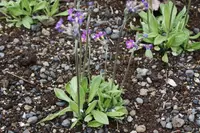
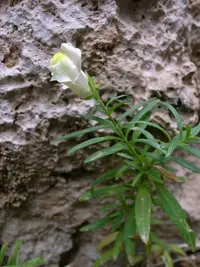
Antirrhinum siculum, commonly called Sicilian snapdragon, is a short-lived perennial or annual herb from the Mediterranean region, especially Sicily and nearby areas. It typically forms upright, branching stems with narrow leaves and tubular, snapdragon-like flowers in soft pastel shades or pale yellows. In the wild it often grows in rocky slopes, old walls, and dry, open habitats, which reflects its preference for well-drained soil and moderate moisture. It usually prefers sunny positions and tolerates heat and dryness better than many garden annuals, which makes it relatively low-maintenance when sited correctly. Gardeners who want to learn how to care for Sicilian Snapdragon benefit from understanding its origins in lean, stony ground.

Main Plant Requirements

Care Difficulty

Moderate Care

Light Preference

Full Sun

Water Requirements

Moderate Water

Temperature Preference

Warm Climate

Hardiness Zone

8–10

Soil Texture

Sandy, Loamy, Rocky

Soil pH

Slightly acidic (6.5–7.0), Neutral (7.0)

Soil Drainage

Well-drained

Fertilization

Minimal (feed rarely)

Get Personalized Care Plan

Scan your plant to receive care tips personalized for your specific plant

Available on iOS and Android

How to Care for the Sicilian Snapdragon

This Mediterranean annual thrives in bright outdoor exposure with several hours of direct sun each day.

  • Provide 6–8 hours of direct sun, ideally with gentle morning sun and some protection from harsh late-afternoon summer rays.
  • It tolerates light partial shade, but Sicilian Snapdragon flowers more heavily and stays compact in sunnier positions.
  • In hot climates, use filtered light or afternoon shade in mid-summer to prevent leaf scorch, while in cooler seasons choose the brightest, most open site.

This plant prefers evenly moist but not saturated soil, with careful attention during active growth and flowering.

  • Water when the top 2–3 cm of soil feel dry, allowing moisture to reach the root zone without leaving the soil soggy.
  • Use well-drained soil or beds so excess water can run off, reducing the risk of root rot and yellowing, limp foliage from overwatering.
  • In hot, windy weather, expect faster drying and more frequent checks; in cool or rainy periods, delay watering if the soil remains damp.

This species prefers mild conditions and handles cool weather better than strong heat.

  • Aim for 55–70°F (13–21°C) for best growth and flowering, similar to a mild spring or early autumn climate.
  • Plants tolerate light frosts down to about 28–30°F (-2 to -1°C) but prolonged freezing can damage foliage and buds.
  • In hot regions, growth may slow above 85°F (29°C); combine cooler soil, mulch, and partial afternoon shade to reduce heat stress.

This species grows well in typical outdoor humidity but benefits from slightly moist air in very dry climates.

  • Aim for 40–60% humidity, which suits most homes and temperate outdoor conditions.
  • It tolerates brief dry air but prolonged levels below 30% can cause leaf edge browning and flower bud drop in Sicilian Snapdragon.
  • To increase humidity, group pots together or place containers on a pebble tray with water, keeping pot bases above the waterline.

This plant prefers moderately fertile, well-drained mineral soil with some organic matter.

  • Use a loose loamy or sandy-loam texture with 20–30% compost mixed into garden soil for steady nutrients.
  • Ensure sharp drainage by blending coarse sand or fine grit into heavier soils to prevent prolonged waterlogging around the roots.
  • A slightly alkaline to neutral pH of 6.8–7.5 suits Antirrhinum siculum, so avoid highly acidic mixes unless buffered with lime.
  • Improve aeration by avoiding compacted beds and by incorporating coarse material rather than peat-heavy mixes that can collapse and suffocate roots.

This species can grow successfully in containers when provided with stable, well-drained conditions.

  • Choose a pot at least 20–25 cm deep to allow the taproot to develop without circling tightly near the base.
  • Use a heavier terracotta or ceramic container outdoors to prevent wind from toppling tall flowering stems.
  • Raise the pot slightly on feet or spacers so drainage holes stay clear and runoff cannot reabsorb into the mix after rain.

Light feeding supports steady growth and flowering in Antirrhinum siculum without causing lush, weak foliage.

  • Use a balanced liquid fertilizer (e.g., 10-10-10 or 20-20-20) diluted to 1/2 strength for container or nutrient-poor soil plants.
  • Feed every 3–4 weeks during active growth in spring and summer, always on moist soil to avoid root burn.
  • In rich garden beds, rely mainly on compost or a light spring application of slow-release granules.
  • Stop feeding in late summer to early fall so plants can harden off before colder weather.

Thoughtful pruning keeps Antirrhinum siculum compact, tidy, and flowering well.

  • Use clean, sharp scissors or hand pruners to remove dead, diseased, or storm-damaged stems as needed.
  • In late spring to mid-summer, deadhead spent flower spikes down to a strong leaf node to prolong blooming.
  • Thin crowded stems near the base to improve airflow and reduce fungal disease risk.
  • After flowering peaks, lightly shorten leggy growth to maintain shape without cutting into woody, older tissue.

This species is usually grown in garden beds, so focus on correct transplanting rather than frequent repotting.

  • Transplant seedlings outdoors in spring after frost, once roots hold the soil plug but are not circling the container.
  • Choose a sunny site with well-drained soil; improve heavy ground with compost to prevent waterlogging stress.
  • Move carefully, handling by the root ball, and water thoroughly after planting to settle soil around roots.
  • Container plants need shifting only when roots circle the pot or growth stalls, stepping up just 1 pot size.

Antirrhinum siculum is most commonly propagated from seed, which allows many plants at low cost.

  • Sow fresh seeds in late winter to early spring under cover, using a fine, well-drained seed-starting mix.
  • Press seeds onto the surface; do not bury, as light aids germination, then keep evenly moist at 60–70°F.
  • Provide bright indirect light and gentle airflow; seedlings emerge in 10–21 days in stable conditions.
  • Harden off young plants gradually outdoors before transplanting to their final position in the garden.

In mild climates this plant usually needs minimal winter attention in well-drained soil.

  • Antirrhinum siculum tolerates light frost but may be damaged by prolonged freezes below about 20–25°F.
  • Apply a 3–5 cm layer of mulch around the root zone in late fall, keeping it slightly away from stems.
  • In colder regions, grow Antirrhinum siculum in containers and overwinter in a cool, bright, frost-free place.

Care Tips

Pinch For Bushiness

When young plants reach 10–15 cm, pinch out the soft growing tips to encourage multiple flowering stems and a fuller habit rather than one tall, weak spike.

Staggered Succession Sowing

Sow small batches of seed every 2–3 weeks in late winter to early spring so flowering is staggered, which extends the display and reduces the risk of losing the whole crop to a single heatwave or storm event.

Targeted Rust Management

Inspect foliage weekly for orange-brown pustules of rust and, at the first sign, promptly remove affected leaves and increase spacing or airflow before resorting to a fungicide labeled for snapdragons.

Flower Spike Support

In windy or exposed sites, run low lines of soft twine between small stakes along the row so stems lean against the support rather than snapping or lodging after heavy rain.

Deadhead With Precision

After each main flush, cut spent flower spikes back to just above a healthy leaf node to stimulate side shoots and a fresh wave of blooms, which is particularly helpful when growing Sicilian Snapdragon for a long seasonal display.

Common Pests and Diseases

Rust

This disease causes small orange, brown, or yellow pustules on leaves and stems, often leading to yellowing and early leaf drop. Symptoms include reduced vigor and patchy, weak flowering.

Solution

Remove and dispose of affected leaves, avoid overhead watering, and increase spacing and airflow around plants. In persistent cases, apply a sulfur- or copper-based fungicide according to label directions and rotate plantings to fresh soil each year.

Powdery mildew

This disease produces white, powdery patches on leaves, stems, and sometimes flower spikes, especially in warm, dry conditions with poor air circulation. Symptoms include distorted growth and premature leaf aging.

Solution

Improve air movement, avoid overcrowding, and water at the base to keep foliage dry. Remove heavily infected plant material and, if needed, use a labeled systemic or contact fungicide as part of Antirrhinum siculum care instructions.

Botrytis blight

This disease causes soft, water-soaked spots on leaves, stems, and flowers that turn brown and develop a fuzzy gray mold, especially in cool, damp conditions. Symptoms include rotting flower spikes and collapse of tender growth.

Solution

Promptly remove and discard affected tissues, reduce humidity, and improve ventilation around plants. Water early in the day so foliage dries quickly and avoid wetting flowers; use a botrytis-targeted fungicide only if cultural measures do not control spread.

Aphids

These insects cluster on young stems, leaves, and flower buds, sucking sap and excreting sticky honeydew that can attract sooty mold. Symptoms include curled leaves, distorted blooms, and slowed growth.

Solution

Dislodge colonies with a strong stream of water, then use insecticidal soap or a horticultural oil on all plant surfaces, repeating as needed. Encourage natural predators such as lady beetles and avoid excessive nitrogen fertilization, which promotes soft, aphid-prone growth.

Snapdragon leaf miner

This pest creates winding, pale tunnels inside leaves where larvae feed between the leaf surfaces, leading to blotchy, damaged foliage. Symptoms include reduced photosynthesis and a general decline in plant appearance when infestations are heavy.

Solution

Remove and destroy affected leaves as soon as mines appear to break the life cycle. Use yellow sticky traps to monitor adults and, if problems persist, apply a systemic insecticide labeled for leaf miners, targeting early larval stages.

Interesting Facts

Narrow Sicilian range

This snapdragon is native mainly to rocky slopes and limestone outcrops in Sicily and a few nearby central Mediterranean areas, giving it a much more restricted natural range than the common garden snapdragon Antirrhinum majus.

Specialized bee pollination

The flowers have a closed, lipped corolla that typically requires the weight of medium to large bees to open, so effective pollination is largely carried out by strong native bees able to push into the floral tube.

Limestone-adapted ecology

Wild populations are usually found on dry, calcareous substrates, indicating strong adaptation to alkaline, mineral-rich soils that would stress less specialized species.

Botan icon

Did you know?

Molecular studies of Mediterranean snapdragons have used this species as part of comparisons that help clarify how geographic isolation on islands such as Sicily has driven diversification within the genus Antirrhinum.

FAQs about Sicilian Snapdragon

Lack of blooms usually comes from insufficient light, excess nitrogen fertilizer, or plants becoming old and woody. Deadhead spent flower spikes, avoid high-nitrogen feed, and ensure good sun exposure to encourage new flower formation.

Grow Healthy Plants with Botan Care

Keep your plants happy and healthy with plant identification, disease detection, and easy care guidance.


Botan plant care app — identify plants on mobile

Explore More Plants