Stake flower stems
Install discrete, slender stakes and soft ties early in the season to keep the tall flowering stems upright and reduce wind damage or lodging in exposed beds.

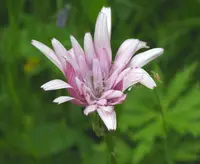
Scorzonera rosea is a perennial herb from the daisy family, valued mainly for its narrow leaves and attractive pink flower heads on upright stems. It forms loose clumps and has a modest, tidy growth habit that suits naturalistic borders or informal meadow-style plantings.
This species occurs in parts of Europe and western Asia, often in open, sunny habitats with well-drained soils. It is generally considered a moderate-care plant, as it dislikes waterlogged conditions but adapts reasonably well to average garden soils.
Gardeners who want to care for Scorzonera rosea should provide good light, steady but not excessive moisture, and soil that drains freely to support healthy roots and flowering.

Care Difficulty
Moderate Care

Light Preference
Full Sun

Water Requirements
Moderate Water

Temperature Preference
Cool Climate

Hardiness Zone
5–8

Soil Texture
Sandy, Loamy, Organic-rich

Soil pH
Acidic (5.5–6.5), Slightly acidic (6.5–7.0)

Soil Drainage
Well-drained

Fertilization
Minimal (feed rarely)
Scan your plant to receive care tips personalized for your specific plant
Available on iOS and Android
This perennial root crop prefers bright conditions with some protection from intense midday sun.
This deep-rooting plant prefers steady soil moisture without staying waterlogged.
This hardy root vegetable tolerates cool conditions but grows best in moderate temperatures.
This species manages well in typical outdoor humidity and rarely needs special attention.
Scorzonera rosea prefers loose, well-aerated ground that stays evenly moist yet never waterlogged.
This species is only moderately suited to container growing due to its taproot and need for depth.
This perennial usually manages in average garden soil, but light feeding improves flowering and overall vigor in Scorzonera rosea.
Pruning focuses on hygiene and maintaining a neat clump rather than reshaping Scorzonera rosea.
This species is better suited to open ground than long-term containers, so management focuses on careful transplanting rather than frequent repotting.
Propagation of Scorzonera rosea is usually done by seed, with division used cautiously to avoid damaging the taproot.
This hardy perennial usually tolerates typical temperate winters but benefits from simple root-zone protection in colder areas.

Plant Health Check
Not sure what's wrong with your plant? Check your plant's health inside the app.
This species is naturally restricted to parts of Central and Eastern Europe, where it grows in dry meadows and steppe-like grasslands on calcareous or sandy soils, rather than being widespread across the whole continent.
It belongs to the Asteraceae family, so each pink flower head is actually a dense cluster of many small florets that function together as a single blossom for pollinators.
The plant forms a strong taproot that anchors it in open, exposed habitats and helps it access deeper soil moisture, allowing it to persist in relatively dry grassland conditions.
This species is a perennial, forming a long-lived taproot and returning from the same rootstock each year. Foliage may die back in winter in colder regions, but the root survives and sends up new growth in spring.
Keep your plants happy and healthy with plant identification, disease detection, and easy care guidance.