Early slug control
Start slug and snail protection in early spring as soon as shoots emerge, using iron phosphate pellets or copper tape barriers around clumps to prevent the thin leaves from being shredded later in the season.

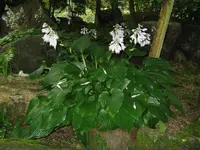
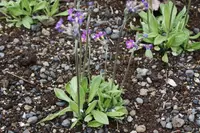
Small-leaved plantain lily (Hosta sieboldii) is a compact, shade-loving perennial grown mainly for its neat mounds of narrow, arching leaves. The foliage is typically medium to dark green, forming low clumps that create a fine-textured groundcover or edging.
In late summer it sends up slender flower stalks with pale lavender, funnel-shaped blooms that attract pollinators. It originates from Japan, where it grows in woodland and rocky areas with consistent moisture.
This species is considered relatively easy to grow, as long as it has shade, even moisture, and well-drained soil. Understanding how to care for Small-leaved Plantain Lily helps keep the leaves healthy and attractive over many seasons.

Care Difficulty
Easy Care

Light Preference
Partial Shade

Water Requirements
Regular Water

Temperature Preference
Cold Hardy

Hardiness Zone
3–8

Soil Texture
Loamy, Silty, Organic-rich

Soil pH
Acidic (5.5–6.5), Slightly acidic (6.5–7.0)

Soil Drainage
Moist but well-drained

Fertilization
Light (every 4–6 weeks)
Scan your plant to receive care tips personalized for your specific plant
Available on iOS and Android
Hosta sieboldii prefers cool, shaded positions with limited direct sun exposure.
Hosta sieboldii performs best in consistently moist but not waterlogged soil.
This species is a hardy perennial that prefers cool to mild temperatures and tolerates cold winters.
This species grows well in typical outdoor humidity but benefits from slightly moist air in hot, dry conditions.
Hosta sieboldii prefers consistently moist, well-aerated, organic-rich soil that drains freely.
This species is well suited to container growing on shaded patios, balconies, or terraces.
Hosta sieboldii benefits from modest, consistent feeding to support leafy growth without causing weak, lush foliage.
Hosta sieboldii needs light, targeted pruning to maintain a tidy clump and reduce disease risk.
This hosta is usually grown in the ground, so transplanting mature clumps is more common than frequent repotting.
Division is the standard method for multiplying Hosta sieboldii while keeping cultivar traits consistent.
This hosta is cold hardy and usually needs minimal winter care in most temperate gardens.

Plant Health Check
Not sure what's wrong with your plant? Check your plant's health inside the app.
This species is native to cool, shaded woodlands of Japan, where it grows on moist, humus-rich slopes and stream banks, which explains its strong preference for shade and evenly moist soils in cultivation.
Unlike many broader-leaved hostas, this plant has distinctly narrow, lance-shaped leaves that arch gracefully, giving clumps a finer, more delicate texture that contrasts well with larger-leaved species in shade gardens.
It produces funnel-shaped pale lavender to white flowers in late summer to early autumn, often blooming later than many common hostas and extending seasonal interest in shaded plantings.

In its native range in Japan, this species has contributed genetics to several compact, fine-textured hybrid hostas, making it a foundational parent for breeders aiming to grow Hosta sieboldii types suited to smaller gardens and containers.
This species spreads slowly by short rhizomes, forming clumps rather than running widely. It can gradually widen over several years but is not considered aggressive. Division every few years keeps clumps neat and manageable.
Keep your plants happy and healthy with plant identification, disease detection, and easy care guidance.