dwarf morning-glory Care (Convolvulus tricolor)

dwarf morning-glory

About dwarf morning-glory

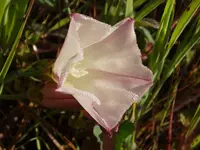
Dwarf morning-glory, Convolvulus tricolor, is a compact annual flowering plant grown for its vivid, funnel-shaped blooms. It typically forms low mounds that work well in borders, pots, and rock gardens. Flowers often show a blue outer ring, white center, and yellow eye, creating a strong contrast. Leaves are narrow and slightly gray-green, giving a tidy, delicate look. Native to the Mediterranean region, it is adapted to sunny, dry conditions and prefers well-drained soil. This plant is generally easy to grow from seed if given enough light and not overwatered, so learning how to care for dwarf morning-glory is straightforward for most gardeners.

Main Plant Requirements

Care Difficulty

Moderate Care

Light Preference

Full Sun

Water Requirements

Moderate Water

Temperature Preference

Tropical / Frost Sensitive

Hardiness Zone

7–10

Soil Texture

Sandy, Loamy, Organic-rich

Soil pH

Acidic (5.5–6.5), Slightly acidic (6.5–7.0)

Soil Drainage

Well-drained

Fertilization

Light (every 4–6 weeks)

Get Personalized Care Plan

Scan your plant to receive care tips personalized for your specific plant

Available on iOS and Android

How to Care for the dwarf morning-glory

This sun-loving annual needs strong light to produce abundant flowers.

  • Provide 6–8 hours of direct sun daily; morning and early afternoon sun give the best flowering for dwarf morning-glory.
  • Tolerates light afternoon shade in hot climates, but dense shade causes weak, floppy growth and few blooms.
  • In late spring and summer, watch for leaf scorch in very exposed, reflective sites and offer slight midday shade if foliage pales or crisps.

This plant prefers evenly moist, well-drained soil and does not tolerate prolonged sogginess.

  • Water when the top 2–3 cm of soil feels dry, applying enough to moisten the root zone without leaving standing water.
  • Reduce frequency in cool or rainy weather; increase slightly during hot, windy periods that dry the soil faster.
  • Convolvulus tricolor shows underwatering as limp, dull leaves and overwatering as yellowing foliage, soft stems, or a sour smell from waterlogged soil.

This annual thrives in mild, sunny conditions and dislikes temperature extremes.

  • Optimal growth occurs around 60–75°F (16–24°C), supporting steady foliage development and flowering.
  • Plants tolerate brief dips to about 40°F (4°C) but are damaged by frost; treat as a cool-season annual where winters are cold.
  • In hot summers above 85°F (29°C), flowering may slow; provide mulch and slight afternoon shade to reduce heat stress around the roots.

This species grows well in typical household humidity and rarely needs special adjustments.

  • Aim for 40–60% humidity, which matches most indoor environments and sheltered outdoor spots.
  • Plants tolerate short periods of drier air, but prolonged very dry heat can crisp leaf edges.
  • If air is extremely dry, group pots together and place them away from strong, hot drafts to protect dwarf morning-glory foliage.

Convolvulus tricolor prefers light, well-drained soil that does not stay wet after watering or rain.

  • Use a sandy or sandy-loam mix, such as 2 parts all-purpose potting mix with 1 part coarse sand or fine grit, for fast drainage.
  • Incorporate a small amount of compost to supply nutrients without making the substrate dense or waterlogged.
  • Aim for slightly acidic to neutral pH, around 6.0–7.2, which suits most standard bagged mixes.
  • Avoid heavy clay or peat-heavy mixes that compact, hold water for many hours, and reduce root aeration.

This species is well suited to containers, including hanging baskets and window boxes.

  • Choose a wide, shallow container to accommodate its spreading habit while preventing excessive unused depth that can trap moisture.
  • Select terracotta or other porous materials if the site is rainy, to let excess moisture evaporate more quickly from the root zone.
  • Secure balcony or railing planters firmly, since the trailing stems can increase wind drag and stress loose containers.

Convolvulus tricolor benefits from light, consistent feeding during its active growing season.

  • Use a balanced, water-soluble fertilizer (for example 10-10-10) at half strength every 2–3 weeks while plants are actively flowering.
  • Alternatively, mix a small amount of slow-release balanced fertilizer into the soil at planting time for season-long support.
  • Container-grown dwarf morning-glory may respond well to occasional applications of diluted liquid seaweed or compost tea.
  • Stop feeding in late summer or when growth slows, and avoid fertilizing dormant or overwintered plants.

Convolvulus tricolor responds well to light, timely pruning to extend bloom and maintain a compact habit.

  • In late spring and through summer, trim back spent flowering stems with clean, sharp scissors or hand pruners.
  • Remove dead, damaged, or very weak shoots to direct energy into healthy flowering growth.
  • Lightly shorten straggly or overly long stems to keep the mound dense and encourage new buds.
  • Deadhead faded blooms by snipping just below the flower cluster to promote continued flowering.

This annual is most often transplanted outdoors rather than repotted long-term in containers.

  • Transplant seedlings once roots lightly fill starter cells or small pots and new growth is steady, avoiding tight root circling.
  • Move plants outdoors in spring after frost risk has passed, choosing a sunny, well-drained site for Convolvulus tricolor.
  • Water well before and after transplanting, then shade lightly for 1–2 days to reduce transplant shock.
  • Handle root balls gently, disturbing roots as little as possible and planting at the same soil level as before.

Convolvulus tricolor is most commonly propagated from seed, which gives fast seasonal color.

  • Sow seeds indoors 6–8 weeks before the last frost or directly outside once soil warms in spring.
  • Use a free-draining seed mix, cover seeds lightly, and keep evenly moist at 65–75°F for good germination.
  • Provide bright light after emergence to prevent leggy seedlings, turning trays if growth leans.
  • Harden off young plants for 7–10 days outdoors before planting into the garden or containers.

Convolvulus tricolor is usually grown as a warm-season annual and needs minimal winter care in most climates.

  • In cold regions, allow plants to die back with frost and remove spent growth to reduce disease carryover.
  • In mild, frost-free areas, a light mulch can support any semi-perennial plants by moderating soil temperature.
  • Container plants in cooler zones can be discarded after flowering or replaced with new seedlings next season.

Care Tips

Pinch For Bushiness

Pinch out the soft shoot tips when plants are 8–10 cm tall to encourage branching and a denser, more flower-packed mound rather than a few long, lax stems.


Staggered Succession Sowing

Start a new small batch of seeds every 2–3 weeks in spring to early summer so flowering continues over a longer period instead of peaking all at once.

Low-Grow Support Edge

Plant along the top of a low wall, raised bed edge, or in a shallow terrace so stems can spill naturally over the side, keeping flowers visible and preventing them from flopping into paths or wet soil.

Heat-Stress Management

In regions with very hot afternoons, use light-colored mulch or nearby low-growing plants to shade the root zone, which helps maintain blooming quality during heat spikes.

Deadhead In Batches

Shear off spent blooms with scissors every few days rather than removing them one by one, which speeds up maintenance and directs energy into producing fresh flowers when growing dwarf morning-glory.

Common Pests and Diseases

Spider mites

This pest feeds on the undersides of leaves, causing fine speckling, dulling of foliage color, and sometimes fine webbing in hot, dry weather.

Solution

Rinse plants thoroughly with a strong but gentle stream of water, especially the undersides of leaves, then repeat every few days; in persistent cases use insecticidal soap or a horticultural oil labeled for mites and increase humidity and airflow around the plants.

Aphids

These insects cluster on young shoots and buds, sucking sap and causing curling, distortion, and sticky honeydew that can lead to sooty mold.

Solution

Pinch or hose off heavy infestations, then treat remaining colonies with insecticidal soap or a neem-based spray, repeating weekly as new growth appears and encouraging natural predators like lady beetles by avoiding broad-spectrum insecticides.

Powdery mildew

This disease appears as white, powdery patches on leaves and stems, often starting on older foliage in crowded or shaded plantings.

Solution

Remove and dispose of heavily affected leaves, improve spacing and airflow, avoid wetting foliage when watering, and apply a sulfur, potassium bicarbonate, or other labeled fungicide at the first sign of infection as part of broader Convolvulus tricolor care.

Leaf spot

Symptoms include small brown or tan spots that may enlarge and merge, causing premature yellowing and drop of older leaves, especially in damp conditions.

Solution

Prune and discard affected leaves, water at soil level instead of overhead, ensure good drainage and air movement, and, if spotting continues to spread, use a copper-based or other labeled ornamental fungicide according to package directions.

Leaf miners

These insects create winding, pale tunnels inside the leaves as larvae feed between the leaf surfaces, which can reduce vigor and appearance on heavily affected plants.

Solution

Remove and destroy leaves showing fresh mines to interrupt the life cycle, keep plants well watered but not waterlogged to reduce stress, and, if damage is ongoing, use a systemic insecticide or a spinosad product labeled for leaf miners, applying in the evening to reduce impact on beneficial insects.

Interesting Facts

Mediterranean annual lifecycle

This species is a true annual from the Mediterranean Basin, completing germination to seed production within a single growing season and then dying, a strategy that helps it exploit cool, moist spring conditions before summer drought.

Distinctive tricolor corolla

Each flower typically shows three clear color zones: a deep blue outer limb, a bright white ring, and a strong yellow center, created by gradients in petal pigments rather than separate petals.

Self-fertile but insect-pollinated

The plant is self-fertile, meaning one individual can set viable seed, but in gardens it is commonly visited by bees and hoverflies that transfer pollen while foraging for nectar.

Botan icon

Did you know?

Historical records from European gardens show that this species was already a popular ornamental by the 17th century, valued specifically for its intense blue hue at a time when few reliably blue flowering annuals were available.

FAQs about dwarf morning-glory

Lack of flowers is often linked to insufficient light, low nutrients, or too much nitrogen-rich fertilizer, which promotes leaves over blooms. Crowding, old exhausted plants, or heat stress can also reduce flowering performance in this annual.

Grow Healthy Plants with Botan Care

Keep your plants happy and healthy with plant identification, disease detection, and easy care guidance.


Botan plant care app — identify plants on mobile

Explore More Plants