


Alpine-style mulching
Apply a 1–2 cm layer of sharp grit or small gravel around the crown to keep leaf bases dry, reduce rot risk, and mimic the rocky habitats this species is adapted to.

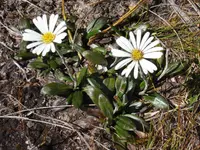
Mountain daisy (Celmisia dubia) is a compact, rosette-forming perennial from alpine regions of New Zealand. It naturally grows in rocky slopes and open tussock grasslands. The plant typically has silvery, strap-shaped leaves and produces white, daisy-like flowers on short, sturdy stems, giving it a neat, architectural look. Growth is usually slow and long-lived when conditions are suitable.
It prefers cool conditions, free-draining, gritty soil, and consistent but not excessive moisture, which reflects its mountain origins. These traits make it rewarding but a bit demanding outside cooler climates, so success depends on understanding how to care for Mountain Daisy in your local conditions.

Care Difficulty
Hard Care

Light Preference
Full Sun

Water Requirements
Low Water

Temperature Preference
Cold Hardy

Hardiness Zone
5–8

Soil Texture
Sandy, Loamy, Rocky

Soil pH
Slightly acidic (6.5–7.0), Neutral (7.0)

Soil Drainage
Well-drained

Fertilization
Minimal (feed rarely)
Scan your plant to receive care tips personalized for your specific plant
Available on iOS and Android
Celmisia dubia prefers bright, cool conditions that mimic open alpine habitats.
This alpine species needs steady moisture in free-draining soil, without prolonged saturation.
This species is adapted to cool, alpine-type conditions and dislikes extreme heat coupled with humidity.
Celmisia dubia prefers cool, relatively dry air and usually needs no special humidity control.
Celmisia dubia grows best in sharply drained, mineral-rich soil that mimics alpine conditions.
This species is suitable for container growing if the potting mix stays sharply drained and cool.
Celmisia dubia is adapted to low‑nutrient soils and needs only light feeding in cultivation.
Pruning needs for Celmisia dubia are minimal and focus on tidiness and plant health.
Celmisia dubia is more often transplanted in the garden than grown long term in containers.
Celmisia dubia is commonly propagated by division and, less often, from seed under controlled conditions.
Celmisia dubia is cold hardy in many temperate climates and usually needs only light winter care.

Plant Health Check
Not sure what's wrong with your plant? Check your plant's health inside the app.
This species forms tight, ground-hugging rosettes that help it resist strong winds, conserve heat near the soil surface, and survive in exposed New Zealand subalpine grasslands and herbfields.
The leaves are densely covered with fine, silky hairs, which reflect intense alpine sunlight, reduce water loss, and protect the tissues from chilling and UV damage in its native high-elevation habitats.
Celmisia dubia occurs naturally only in New Zealand, mainly in the South Island mountains, where it contributes to the characteristic appearance and structure of alpine herbfield communities.

Celmisia dubia often grows in shallow, stony soils over rock or scree, anchoring itself in narrow crevices and helping to stabilize fragile alpine substrates that are prone to erosion.
Lack of flowers usually comes from insufficient light, overly rich nitrogen fertilizer, or heavy, old foliage. Deadhead spent flower stalks and divide congested clumps every few years to refresh growth and support regular blooming when growing Mountain Daisy.
Keep your plants happy and healthy with plant identification, disease detection, and easy care guidance.

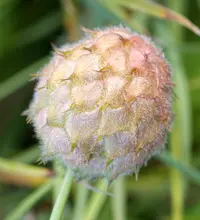
strawberry clover
Trifolium fragiferum
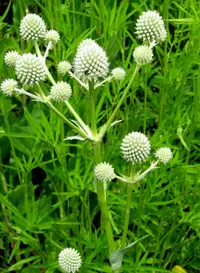
rattlesnake master
Eryngium yuccifolium
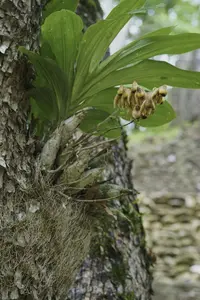
intact catasetum
Catasetum integerrimum
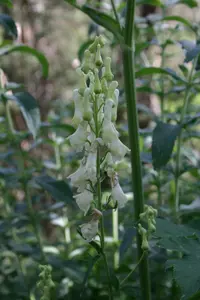
wolfsbane
Aconitum vulparia
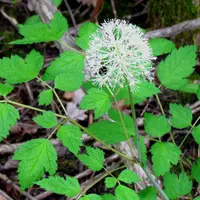
white baneberry
Actaea pachypoda
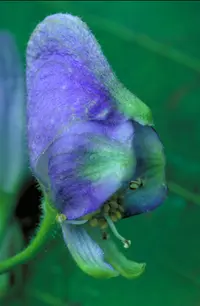
southern blue monkshood
Aconitum uncinatum
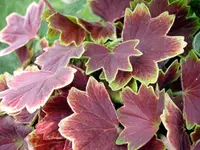
Zonal Geranium
Pelargonium x hortorum 'Vancouver Centennial'
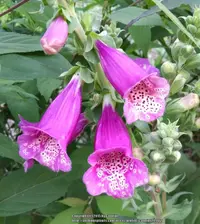
Foxglove
Digitalis purpurea Camelot Rose