Host tree matching
Establish this mycorrhizal fungus only near compatible conifers (pine, spruce, fir) growing in low-nutrient, acidic soil, since it depends on forming a root partnership with the right host trees to fruit reliably.

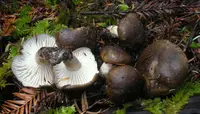
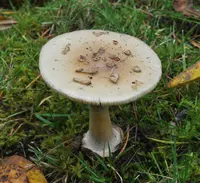
Arched woodwax, Hygrophorus camarophyllus, is a gilled mushroom rather than a leafy plant. It typically forms medium-sized, dark gray to brown caps with a distinctive arched or slightly depressed center and pale, waxy gills beneath. The fruiting bodies appear on the ground in coniferous forests, especially in cooler temperate regions of Europe and North America, often in mossy or needle-rich areas.
This species usually grows singly or in small groups, not in dense clusters. It is generally considered rare to occasionally found, so it is not a common choice for cultivation. For those who want to care for arched woodwax in managed woodland or naturalized settings, it favors moist, well-drained, slightly acidic soil and a stable, shady forest microclimate.

Care Difficulty
Moderate Care

Light Preference
Partial Shade

Water Requirements
Regular Water

Temperature Preference
Cool Climate

Hardiness Zone
Unknown

Soil Texture
Loamy, Organic-rich

Soil pH
Acidic (5.5–6.5)

Soil Drainage
Moist but well-drained

Fertilization
Minimal (feed rarely)
Scan your plant to receive care tips personalized for your specific plant
Available on iOS and Android
This woodland fungus prefers cool, subdued light rather than direct, intense sun.
Moist, not waterlogged, soil is essential for this mycorrhizal fungus in its natural forest setting.
This species is adapted to cool to moderately cool conditions typical of autumn forests.
This forest fungus does not require managed air humidity in typical outdoor conditions.
This ectomycorrhizal fungus relies on natural forest soil rather than prepared mixes.
This woodland species is not suitable for container growing, since it depends on complex root associations and undisturbed soil ecology.
Hygrophorus camarophyllus, known as arched woodwax, is a wild, mycorrhizal fungus that normally does not need any direct fertilization.
Pruning is not a standard practice for Hygrophorus camarophyllus, since it is a mushroom rather than a leafy plant or woody shrub.
This fungus is not suited to normal repotting and transplanting, because Hygrophorus camarophyllus depends on living host tree roots and specific soil fungi.
Propagation of this species is challenging, as Hygrophorus camarophyllus is mycorrhizal and relies on a symbiotic relationship with host trees.
No specific winter care is required, since Hygrophorus camarophyllus is adapted to natural seasonal cold in its native range.

Plant Health Check
Not sure what's wrong with your plant? Check your plant's health inside the app.
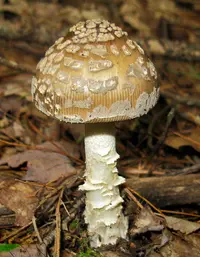
The cap is characteristically dark gray to almost black with a slightly greasy or waxy surface when fresh, which helps distinguish it from many paler waxcap relatives in the field.
This species typically fruits on soil in coniferous forests, especially under spruce and pine, forming ectomycorrhizal partnerships where its fine fungal threads exchange nutrients with tree roots.
In much of Europe and North America it appears late in the mushroom season, often from late summer into late autumn, taking advantage of cool, moist conditions when many other fungi have already declined.

Molecular studies have supported that this species, long placed in the traditional waxcap group for its waxy gills, is actually an ectomycorrhizal forest symbiont rather than a grassland specialist, reshaping how mycologists interpret ecological roles within the Hygrophorus genus.
This mushroom is generally regarded as inedible or of very poor culinary value due to its tough texture and insubstantial flesh. It should not be collected for food, especially by beginners who might confuse it with other species.
Keep your plants happy and healthy with plant identification, disease detection, and easy care guidance.