Honey Fungus Care (Armillaria mellea)

Also known as: Honey Mushroom
Honey Fungus

About Honey Fungus

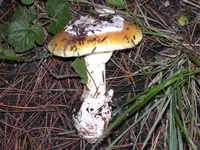
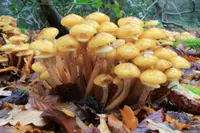
Honey fungus, Armillaria mellea, is a wood-decay fungus rather than a typical garden plant. It forms clumps of honey-colored to brown caps with pale gills and a tough, fibrous stem. Underground, it spreads through long dark rhizomorphs, often called bootlaces, allowing it to colonize new hosts. This species occurs naturally in temperate forests, especially in Europe and North America, where it grows on stumps, roots, and weakened trees. It is vigorous, resilient, and can be difficult to control once established in soil. Those who want to learn how to care for Honey Fungus should understand that it prefers moist, organic-rich substrates and thrives in cool to mild conditions.

Main Plant Requirements

Care Difficulty

Hard Care

Light Preference

Partial Shade

Water Requirements

Regular Water

Temperature Preference

Cold Hardy

Hardiness Zone

3–9

Soil Texture

Loamy, Clay, Organic-rich

Soil pH

Acidic (5.5–6.5), Slightly acidic (6.5–7.0)

Soil Drainage

Moist but well-drained

Fertilization

Minimal (feed rarely)

Get Personalized Care Plan

Scan your plant to receive care tips personalized for your specific plant

Available on iOS and Android

How to Care for the Honey Fungus

This wood-decaying fungus prefers sheltered woodland light rather than open, exposed sun.

  • Provide dappled or filtered light under trees, with 2–4 hours of gentle morning sun and shade the rest of the day.
  • Tolerates partial to deep shade; strong afternoon sun in open ground can dry host roots and limit fruiting of Honey Fungus.
  • In summer, protect from hot, reflective sun; in winter, leaf drop in deciduous woods naturally increases light without harming the mycelium.

This fungus develops best in consistently moist, not waterlogged, soil around host roots.

  • Aim for soil that stays evenly damp 5–10 cm deep; allow only the top 1–2 cm to start drying between natural rains or irrigations.
  • Favor well-drained loam with organic matter so excess water moves through, as prolonged saturation encourages root rot patterns typical of Armillaria mellea spread.
  • Watch for signs of stress in host plants: yellowing, dieback, or unusually brittle roots often indicate chronic moisture imbalance rather than simple drought.

This species thrives in mild to cool climates with distinct seasonal shifts.

  • Optimal growth occurs around 55–70°F (13–21°C), with active colonization of wood and soil during cool, moist periods.
  • Tolerates down to about 25°F (-4°C) in soil and woody tissue, but repeated hard freezes below 20°F (-6°C) can slow or damage surface structures.
  • Handles summer warmth up to about 80–85°F (27–29°C) if soil stays moist and shaded; prolonged heat above 90°F (32°C) dries substrates and suppresses fruiting.

Humidity is not a key factor for this wood-decaying fungus in outdoor cultivation.

This fungus develops best on living or dead woody material rather than in conventional potting soil.

  • Colonization usually occurs in moist, organic-rich wood or roots, not in standard loamy or sandy mineral soils.
  • Soil around host roots is typically slightly acidic to neutral, about pH 5.5–7.0, but the fungus relies more on host tissue than soil chemistry.
  • High soil moisture and poor drainage around tree roots favor infection, so drying and aeration treatments are sometimes used in management.
  • Avoid artificially enriching or irrigating heavy, compacted soils near susceptible trees, as this can support more extensive rhizomorph spread of Armillaria mellea.

This species is not suitable for conventional container growing.

Armillaria mellea is usually parasitic or saprophytic on trees and does not benefit from targeted fertilization in managed landscapes.

Pruning focuses on managing infected host wood rather than shaping Armillaria mellea itself.

  • Carry out pruning during dry weather in late winter or early spring to limit spread of spores and decay.
  • Remove and destroy dead, dying, or heavily infected branches on host trees using clean, sharp bypass pruners or a pruning saw.
  • Cut back to healthy wood with smooth, angled cuts that shed water and reduce secondary infections.
  • Disinfect tools between cuts with 70% alcohol or a 1:10 bleach solution to avoid spreading fungal material.

Transplanting focuses on removing and discarding colonized material, since Armillaria mellea is not a desirable cultivation species.

  • Inspect trees or shrubs for declining vigor, resin bleeding, or white mycelial fans under bark before deciding on removal.
  • Time any transplanting of replacement plants for early spring or early fall when soil is moist and temperatures are mild.
  • Avoid replanting susceptible species into recently infected sites; leave soil fallow or use resistant species for several years.
  • Minimize root stress in replacements by keeping root balls intact, watering deeply after planting, and maintaining even soil moisture.

Intentional propagation of Armillaria mellea is not recommended due to its role as a serious tree pathogen.

This fungus is quite cold hardy and usually needs no intentional winter care in landscapes.

  • In cold climates, monitor host trees for cankers, bark cracking, or sudden dieback after freeze–thaw cycles.
  • Avoid piling heavy winter mulch directly against trunks, which can trap moisture and favor fungal growth at the collar.
  • For container or nursery stock in previously infested areas, inspect root collars before winter storage and discard suspicious plants.

Care Tips

Host Wood Selection

Use freshly cut, disease-free hardwood logs or stumps from non-Armillaria-resistant species (such as many fruit trees) to establish the fungus, and avoid conifers, which often give less reliable yields.

Controlled Inoculation

Drill evenly spaced holes (about 10–15 cm apart) into the host wood and insert spawn or colonized dowels at multiple depths to promote uniform colonization and more consistent flushes of mushrooms.

Containment Barriers

Grow Honey Fungus in buried containers, lined pits, or isolated log stacks raised off the soil surface to reduce the risk of rhizomorphs spreading into nearby ornamental or orchard trees.

Moisture-Retaining Cover

After inoculation, cover logs or stumps with breathable materials such as burlap, straw, or coarse wood chips to help keep the wood surface evenly moist without creating stagnant, airless conditions.

Rotation And Renewal

Replace or add new inoculated logs every 2–3 years and retire fully decayed wood to maintain a steady production cycle and reduce the buildup of competing fungi and invertebrates in the production area.

Common Pests and Diseases

Parasitic fungi

This disease involves other wood-decaying fungi colonizing the same stump or log, competing for space and nutrients with the honey fungus mycelium and fruiting bodies. Symptoms include reduced or distorted mushrooms and irregular, patchy mycelial growth in the wood.

Solution

Remove and discard heavily colonized wood that shows clear dominance of other bracket or crust fungi, and start a fresh culture on clean hardwood. For controlled growing Honey Fungus, use well-seasoned, uniform logs, keep them off bare soil, and maintain moderate moisture so the preferred mycelium can establish before airborne competitors arrive.

Fungus gnats

These insects are small dark flies whose larvae feed in damp organic substrates, including sawdust or rich mushroom beds. Symptoms include tiny flies hovering around trays or logs in humid growing spaces and possible damage to young mycelium or pins.

Solution

Allow the top layer of substrate to dry slightly between waterings, use fine-mesh screens on vents, and remove decaying plant debris around the growing area. Yellow sticky traps near the substrate surface help capture adults, and you can drench non-edible surrounding potting mixes with a Bacillus thuringiensis israelensis (BTI) product to reduce larvae populations.

Mites

These pests are tiny arthropods that thrive in warm, humid mushroom-growing environments and can graze on mycelium or developing mushroom tissue. Symptoms include slowed colonization, pitted or deformed caps, and pale or dusty surfaces under close inspection.

Solution

Inspect logs, trays, and shelving regularly and discard heavily infested blocks or spent substrate. Improve hygiene by cleaning benches and tools, lowering humidity slightly between flushes, and introducing only clean, pasteurized or sterilized substrate to reduce mite introduction.

Bacterial blotch

This disease is caused by bacterial infection on moist mushroom surfaces, leading to water-soaked spots that turn yellow-brown and slimy. Symptoms include discolored patches on caps, especially where free water sits for long periods.

Solution

Reduce overhead misting and avoid water standing on mushroom caps, favoring fine misting to raise humidity around rather than on the fruiting bodies. Improve air exchange with gentle ventilation, promptly remove affected mushrooms, and disinfect tools, trays, and shelving using a diluted bleach or hydrogen peroxide solution between cycles.

Green mold contamination

This disease refers to contamination of the substrate or log surface by aggressive green-spored molds such as Trichoderma, which can overrun honey fungus mycelium. Symptoms include bright or dull green patches on the substrate, powdery spores, and stalled or patchy colonization.

Solution

Immediately remove and discard heavily contaminated substrate or logs to prevent spore spread, and thoroughly clean the growing area. For new batches, use fresh, clean wood, maintain proper pasteurization or sterilization of any supplemental substrate, and avoid reusing bags, trays, or tools without careful disinfection as part of Honey Fungus care instructions.

Interesting Facts

Bioluminescent mycelial fans

The underground mycelium of this species can glow faintly in the dark, a phenomenon called foxfire, due to a luciferin–luciferase enzyme system similar to that in some bioluminescent insects.

Rhizomorph underground networks

It forms thick, black, bootlace-like rhizomorphs that can spread several meters through soil, allowing the fungus to locate and infect new host trees and stumps over time.

Broad host tree range

This pathogen can infect hundreds of woody plant species, including fruit trees, ornamental shrubs, and forest trees, which makes managing Armillaria mellea care in orchards and gardens particularly challenging.

Botan icon

Did you know?

In some traditional European mushroom foraging cultures, the honey-colored caps of this species were historically collected as edible mushrooms only after thorough parboiling, because raw or undercooked fruiting bodies can cause gastrointestinal upset in many people.

FAQs about Honey Fungus

This fungus spreads mainly through underground rhizomorphs that can extend several feet per year in favorable conditions. Visible mushrooms appear seasonally, but the main colony expands slowly and persistently within infected wood and roots.

Grow Healthy Plants with Botan Care

Keep your plants happy and healthy with plant identification, disease detection, and easy care guidance.

Botan plant care app — identify plants on mobile

Explore More Plants