Descolea recedens Care

Descolea recedens

About Descolea recedens

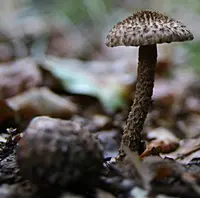
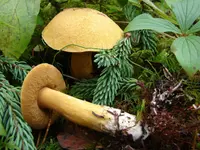
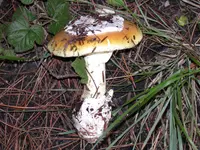
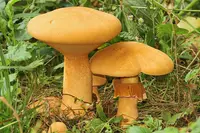
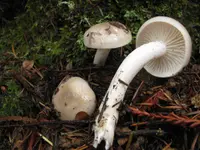
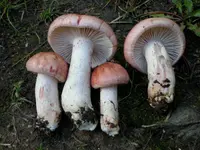
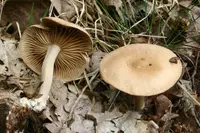
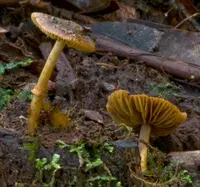
Descolea recedens is a small, saprotrophic mushroom, meaning it feeds on decaying organic matter rather than living as a typical green plant. It usually forms modest clusters of brownish caps with pale gills and a slender stem.

This fungus is recorded mainly from temperate forested regions, often appearing on soil rich in leaf litter or woody debris. It is not a species commonly grown on purpose, and information on how to care for Descolea recedens in cultivation is very limited.

Its occurrence depends largely on suitable woodland habitat, moisture, and the presence of decomposing plant material, rather than conventional garden care conditions.

Main Plant Requirements

Care Difficulty

Moderate Care

Light Preference

Partial Shade

Water Requirements

Moderate Water

Temperature Preference

Warm Climate

Hardiness Zone

Unknown

Soil Texture

Loamy

Soil pH

Slightly acidic (6.5–7.0)

Soil Drainage

Well-drained

Fertilization

Minimal (feed rarely)

Get Personalized Care Plan

Scan your plant to receive care tips personalized for your specific plant

Available on iOS and Android

How to Care for the Descolea recedens

This woodland fungus prefers low to moderate natural light similar to a shaded forest floor.

  • Provide bright shade or dappled light, such as under shrubs or trees, avoiding direct midday sun that can dry the substrate too fast.
  • Aim for 1–3 hours of weak morning sun at most; stronger afternoon sun often overheats and desiccates fruiting sites of Descolea recedens.
  • In summer, increase shading with mulch, leaf litter, or additional plant cover; in winter, reduced canopy leaf cover naturally raises light but is usually acceptable.

Moist but not waterlogged ground is essential for stable fruiting of this fungus.

  • Moisture should be even in the top 5–10 cm of soil; if the surface looks pale, crumbly, or dusty, recent rainfall or supplemental watering is likely needed.
  • Choose well-drained, humus-rich soil; standing water, sour smell, or slimy texture indicate overwatering and root-zone stagnation.
  • During hot, dry periods, increase watering frequency, while in cool, wet seasons, rely mostly on rainfall and avoid adding water when soil feels saturated.

This species favors cool to mild conditions typical of shaded forest soils.

  • Best development occurs around 50–68°F (10–20°C), with stable, cool soil helping maintain fruiting bodies and underground mycelium.
  • Short dips to about 32°F (0°C) may be tolerated in dormant periods, but repeated hard frosts or frozen, heaving soil reduce long-term survival.
  • Sustained heat above 77–86°F (25–30°C), especially with dry soil, suppresses mushroom formation, so deep mulch and shade help buffer temperature swings.

This terrestrial fungus does not depend strongly on air humidity, as long as the soil remains evenly moist.

This species fruits best in moist, well-structured, organic-rich ground with steady drainage.

  • Use a loose, humus-rich, loamy substrate that mimics forest floor conditions, incorporating leaf mold or composted bark for structure.
  • Ensure free drainage but consistent moisture by blending roughly 60% composted organic matter with 40% mineral material such as sand and fine grit.
  • Aim for slightly acidic to neutral pH around 5.5–7.0, avoiding limed or strongly alkaline sites that can suppress mycelial growth.
  • Avoid compacted, waterlogged, or heavily fertilized soils, which limit aeration around the mycelium and encourage competing fungi rather than Descolea recedens.

This species is generally unsuited to container cultivation because its natural mycelial spread requires extensive in-ground habitat.

This wild fungus typically grows in undisturbed, nutrient-balanced soils and does not need intentional feeding in cultivation.

Descolea recedens does not require intentional pruning because the visible mushroom is a temporary fruiting body of an underground fungus.

Transplanting is rarely appropriate because this species is a soil-dwelling fungus that depends on specific site conditions.

  • Avoid disturbing existing colonies; moving soil clumps usually disrupts the fungal network and reduces survival.
  • If relocation is essential, lift a wide, deep block of associated soil rather than individual mushrooms.
  • Carry and set the soil block gently in a similar shaded, moist site with comparable soil texture and organic matter.
  • Water lightly after transplanting to settle soil, then allow natural rainfall to maintain moisture without waterlogging.

Propagation of Descolea recedens is not practical for typical gardeners because it relies on microscopic spores and complex soil relationships.

This fungus is naturally adapted to local climate and needs no specific winter care in garden or woodland settings.

Care Tips

Habitat-style placement

Position collecting trays or observation areas near decaying wood, mossy soil, or long-undisturbed leaf litter, since fruiting bodies appear most reliably in stable, undisturbed microhabitats that mimic its natural forest floor conditions.

Minimal disturbance zones

Mark and avoid treading on or raking the areas where fruiting has appeared before, because repeated soil disturbance disrupts the mycelium network and can sharply reduce future mushroom flushes.

Retain coarse woody debris

Leave small rotting branches, bark pieces, and old mulch layers in place rather than fully clearing beds, as this coarse organic material supplies the long-term substrate that supports the fungus.

Gentle fruiting cleanup

When documenting or collecting specimens, cut mushrooms at the base with a clean knife and leave the underground tissue intact, which helps maintain the mycelium and supports continued fruiting when caring for Descolea recedens.

Moisture buffering mulch

Apply a thin, loose layer of leaf litter or untreated wood chips around the known colony to buffer soil moisture and temperature, taking care not to bury emerging fruiting bodies under heavy or compacted mulch.

Common Pests and Diseases

Fungal parasitism

This disease affects the fruiting bodies, causing distortion, discoloration, or premature collapse of caps and stems. Symptoms include soft, water-soaked tissue and abnormal growth in clustered mushrooms.

Solution

Remove and discard affected mushrooms as soon as they are noticed, avoid overhead watering, and increase air movement across the fruiting area to lower surface moisture. Between flushes, clean benches or substrate surfaces and tools with a dilute bleach solution (about 1:10) to reduce fungal spore load.

Bacterial blotch

This disease creates greasy, water-soaked spots and streaks on caps that can turn yellow-brown and slimy under prolonged moisture. Symptoms include patchy discoloration that spreads rapidly in crowded, poorly ventilated conditions.

Solution

Reduce standing moisture by improving ventilation and avoiding fine misting directly on caps, instead watering the substrate at its base. Remove and discard badly affected fruiting bodies and disinfect working tools and trays to limit bacterial spread, especially in repeated cultivation of Descolea recedens.

Mite infestation

These insects feed on developing mushrooms and mycelium, leaving small pits, scars, or deformed caps and sometimes fine debris around stems. This pest thrives in damp, organic substrates with leftover debris from previous flushes or wild collections.

Solution

Physically remove heavily damaged clusters and clean away spent substrate and plant litter where mites hide. Use sticky traps around benches, keep the growing area cooler and drier between flushes, and, if needed, apply a targeted horticultural oil or sulfur-free miticide labeled as safe for mushroom production, following label directions carefully.

Fungus gnat larvae

This pest lives in the substrate where larvae tunnel through mycelium and young stems, weakening or killing small mushrooms. Adults are small dark flies that gather around damp growing media and can spread pathogens between clusters.

Solution

Allow the top layer of substrate to dry slightly between waterings and remove decaying organic debris that supports larvae. Use yellow sticky cards to trap adults, cover substrate surfaces with a fine mesh or sand layer, and, if infestation persists, introduce a biological control such as Bacillus thuringiensis israelensis (Bti) in irrigation water according to the product label to support Descolea recedens care instructions.

Interesting Facts

Brown-spored agaric

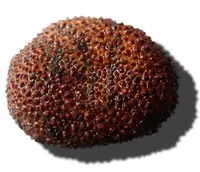
This species produces brown to rusty-brown spores, a key microscopic character that separates it from many similar drab, brownish mushrooms in the field.

Moist forest specialist

It is typically recorded in damp, mossy forest habitats, often on soil rich in decaying plant material, reflecting its adaptation to cool, humid microclimates.

Taxonomically challenging species

Descolea recedens has a history of confusion with morphologically similar agarics, so reliable identification usually requires careful assessment of cap surface, gill attachment, and microscopic features such as spore ornamentation.

FAQs about Descolea recedens

This is a small, saprotrophic mushroom with limited study and no established culinary use. It should be treated as inedible. Do not taste wild fungi unless a qualified mycologist has positively identified them as safe.

Grow Healthy Plants with Botan Care

Keep your plants happy and healthy with plant identification, disease detection, and easy care guidance.

Botan plant care app — identify plants on mobile

Explore More Plants