Elaphomyces granulatus Care

Elaphomyces granulatus

About Elaphomyces granulatus

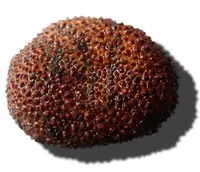
Elaphomyces granulatus is not a leafy plant but an underground fungus, sometimes called a deer truffle. It forms round, potato-like fruiting bodies hidden in the soil. This species lives in symbiosis with tree roots, especially in coniferous and mixed forests across Europe and parts of North America. It helps trees absorb nutrients while gaining sugars in return. Because it develops underground and relies on specific tree partners, it is not practical to grow in a typical home or garden. Anyone wanting to care for Elaphomyces granulatus must focus on supporting healthy forest-type conditions rather than treating it like a conventional houseplant.

Main Plant Requirements

Care Difficulty

Hard Care

Light Preference

Partial Shade

Water Requirements

Regular Water

Temperature Preference

Cool Climate

Hardiness Zone

Unknown

Soil Texture

Loamy, Sandy, Organic-rich

Soil pH

Acidic (5.5–6.5)

Soil Drainage

Moist but well-drained

Fertilization

Minimal (feed rarely)

Get Personalized Care Plan

Scan your plant to receive care tips personalized for your specific plant

Available on iOS and Android

How to Care for the Elaphomyces granulatus

This underground truffle-forming fungus relies on host trees, so light conditions are managed for the forest stand rather than the fungus directly.

  • Aim for dappled shade or light woodland conditions, similar to 2–4 hours of gentle, filtered morning sun reaching the forest floor through a tree canopy.
  • Avoid full, exposed midday sun on young host trees, since prolonged direct light and heat can dry the upper 5–10 cm of soil and reduce suitable habitat for Elaphomyces granulatus.
  • Maintain partial shade year-round; in managed woodlands, protect the area from winter canopy loss that would create sudden full-sun exposure and soil surface cracking.

This ectomycorrhizal fungus depends on consistently moist, well-drained forest soil shared with its host trees.

  • Maintain soil that is evenly moist in the top 5–8 cm, never waterlogged; in managed sites, irrigation should soak the root zone, then allow the surface to dry slightly before the next watering.
  • In cooler seasons, natural rainfall is often sufficient; in dry summers, supplementary watering may be needed when the upper soil turns pale, loose, and does not clump when squeezed.
  • Signs of excess water include standing puddles, sour or swampy odor, and declining host tree vigor, while underwatering shows as dusty soil, hydrophobic (water-repelling) patches, and early leaf drop.

This species prefers cool to mild conditions typical of temperate forests and is sensitive to extreme heat and exposed frost.

  • Optimal soil and air temperatures for host-tree growth and fungal activity are roughly 50–68°F (10–20°C), supporting stable mycorrhizal associations and truffle development.
  • It tolerates cold down to about 23°F (-5°C) in natural woodlands when insulated by leaf litter and snow, but sudden, bare-soil freezes can damage fine fungal structures.
  • Prolonged heat above 77–86°F (25–30°C), especially with dry soil and full exposure, can reduce activity; use mulch and canopy cover in managed stands to buffer temperature swings.

Humidity is not a major controllable factor because this truffle-forming fungus grows underground in natural forest soils.

Soil conditions are critical because this ectomycorrhizal truffle fungus depends on specific tree roots and undisturbed forest substrates.

  • Prefers loose, well-aerated, sandy to sandy-loam soil rich in decomposed organic matter and fine roots of compatible host trees.
  • Requires very free drainage; avoid compacted, waterlogged, or heavy clay soils that stay saturated after rain or irrigation.
  • Grows best in slightly acidic soil, typically around pH 4.5–6.5, similar to many coniferous or mixed woodland floors.
  • To mimic natural structure, combine native forest soil with coarse sand and fine bark to maintain pore spaces and prevent collapse.

This underground, tree-associated truffle is not suitable for container growing, as it relies on complex soil ecology and mature host root systems.

This ectomycorrhizal truffle forms nutrient-sharing partnerships with host trees, so direct fertilization of Elaphomyces granulatus is usually unnecessary in naturalistic plantings.

This underground fungus does not form above-ground shoots or branches, so pruning is not part of routine management.

This species naturally grows in soil associated with tree roots and is not suited to typical container culture.

  • Transplant only when moving host trees or soil blocks from established woodland-like beds, keeping the root–soil system as intact as possible.
  • Schedule any relocation in cool, moist seasons, typically early spring or fall, to limit stress and desiccation of the fungal mycelium.
  • Avoid frequent disturbance; once introduced to a suitable site, allow long-term establishment without further lifting or dividing.
  • Handle soil gently, keep it shaded and slightly moist, and replant at the original depth to support continued symbiosis with host roots.

Propagation is specialized and mainly of research or forestry interest rather than routine horticulture, since this fungus depends on compatible tree hosts.

This truffle is naturally cold hardy in temperate forests and generally needs no special winter care when established in the ground.

Care Tips

Mycorrhizal host choice

Plant compatible host trees such as pine, spruce, or birch in low-input areas, as this species forms ectomycorrhiza on their roots and will not establish well without an appropriate tree partner.

Minimize soil disturbance

Avoid tilling, double-digging, or frequent deep planting around host trees, since this can break fungal hyphae and reduce fruiting of the underground truffles.

Leaf litter management

Maintain a light, continuous layer of leaf litter and fine woody debris over the rooting zone to support stable moisture and organic matter without smothering young tree roots.

Careful traffic control

Restrict foot and vehicle traffic over the colonized area by using defined paths or barriers, as soil compaction sharply reduces gas exchange and the development of underground fruiting bodies.

Targeted soil monitoring

Monitor soil pH and basic nutrients every 2–3 years and adjust only gently, since caring for Elaphomyces granulatus relies on keeping conditions stable rather than chasing rapid growth responses.

Common Pests and Diseases

Hypocreaceae parasitism

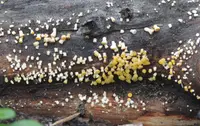
This disease involves attack of the truffle fruiting bodies by Hypocreaceae fungi, which colonize and discolor the outer layers. Symptoms include orange, yellow, or whitish fungal growth on or around the truffle and progressive tissue breakdown.

Solution

Remove and discard any visibly colonized fruiting bodies during collection to reduce local inoculum. Avoid disturbing soil and fine tree roots excessively so the mycorrhizal system stays vigorous, and maintain good tree health, since stronger hosts are less likely to support heavy secondary fungal parasitism.

Truffle-feeding flies

These insects lay eggs in the truffle tissue and the larvae tunnel through the fruiting body. Symptoms include small entry holes, soft or crumbly internal tissue, and visible maggots when the truffle is cut open.

Solution

Harvest truffles promptly when mature and remove any infested specimens from the area. In managed truffle sites, reduce surface litter directly over productive spots so adult flies have fewer sheltered oviposition sites, and time harvests to limit how long ripe truffles remain in the soil.

Nematode invasion

This disease-like condition is caused by microscopic roundworms that feed within the truffle tissue. Symptoms include spongy texture, internal brownish patches, and faster decomposition of affected fruiting bodies in the soil.

Solution

Avoid importing soil or organic material from unknown sources into managed truffle areas to limit nematode introduction. Maintain a stable, undisturbed soil structure and avoid chronic waterlogging or compaction, which favors high nematode populations around the truffles.

Bacterial soft rot

This disease develops when opportunistic bacteria invade damaged or overripe truffles in moist soil. Symptoms include foul odor, slimy or watery tissue, and complete collapse of the fruiting body.

Solution

Handle soil and host tree roots gently so truffles are not bruised, and harvest before they become overmature. Improve drainage in managed sites, avoid chronic saturation, and promptly remove and discard any soft, foul-smelling fruiting bodies to limit spread in the immediate area.

Interesting Facts

Specialist truffle mimic

This species produces underground, truffle‑like fruiting bodies with a thick, warted outer layer that help it persist in soil for long periods and resemble true culinary truffles, though it is not considered edible or palatable.

Key food for wild boar

The pungent, garlicky odor of mature fruiting bodies attracts wild boar and other mammals, which dig them up, eat them, and then disperse the spores through their droppings across the forest floor.

Ectomycorrhizal partner

Elaphomyces granulatus forms ectomycorrhizal associations with the roots of pines and other conifers, where fungal threads coat the root tips and extend into the soil, improving water and nutrient uptake in exchange for sugars from the host tree.

Botan icon

Did you know?

Pale rings or patches sometimes seen in conifer stands, historically called witch circles, can be caused by dense underground colonies of Elaphomyces granulatus altering soil conditions and root growth in a visible pattern at the surface.

FAQs about Elaphomyces granulatus

This truffle-like fungus is not considered edible. It has little culinary value, often a strong or unpleasant odor, and may cause digestive upset. It is mainly important ecologically as a mycorrhizal partner for trees.

Grow Healthy Plants with Botan Care

Keep your plants happy and healthy with plant identification, disease detection, and easy care guidance.

Botan plant care app — identify plants on mobile

Explore More Plants