Fibrous Waxcap Care (Hygrocybe intermedia)

Fibrous Waxcap

About Fibrous Waxcap

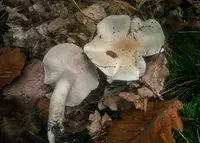
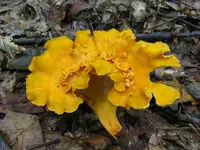
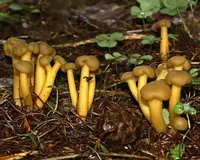
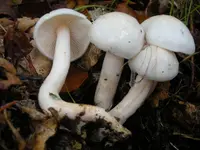
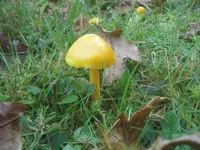
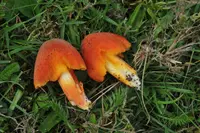
Hygrocybe intermedia, commonly called the fibrous waxcap, is a small, fleshy mushroom rather than a leafy houseplant. It forms bright orange to reddish caps with fibrous, sometimes slightly sticky surfaces and pale gills underneath. The fruiting bodies appear in groups or scattered patches.

This species usually grows in old, unimproved grasslands, meadows, and mossy lawns, especially in cool, moist climates of Europe and North America. It depends on low-nutrient, undisturbed soils, which makes it sensitive to fertilizer use and habitat change, and therefore not easy to cultivate intentionally. Those who want to learn how to care for Fibrous Waxcap should focus on maintaining low-input, pesticide-free turf with good moisture and minimal soil disturbance.

Main Plant Requirements

Care Difficulty

Hard Care

Light Preference

Partial Shade

Water Requirements

Keep Soil Moist

Temperature Preference

Cool Climate

Hardiness Zone

5–9

Soil Texture

Loamy, Silty, Organic-rich

Soil pH

Strongly acidic (4.5–5.5), Acidic (5.5–6.5)

Soil Drainage

Moist but well-drained

Fertilization

Minimal (feed rarely)

Get Personalized Care Plan

Scan your plant to receive care tips personalized for your specific plant

Available on iOS and Android

How to Care for the Fibrous Waxcap

This waxcap mushroom prefers cool, moist, low-light grassland rather than strong direct sun.

  • Provide bright shade or dappled light with no more than 1–2 hours of weak morning sun, as strong midday or afternoon sun can dry the turf and damage fruiting bodies.
  • Choose a north- or east-facing exposure, or light shade under grasses or low vegetation, where Fibrous Waxcap can receive ambient daylight without harsh rays.
  • In late summer and autumn, protect sites from drying out by avoiding exposed, south-facing slopes that intensify sun and heat.

This grassland fungus needs consistently moist, not waterlogged, soil conditions to fruit well.

  • Allow the upper 2–5 cm of soil or turf to stay slightly damp; surface cracking, dull caps, or shriveling edges indicate underwatering and overly dry conditions.
  • Avoid standing water and heavy compaction, which promote rot and reduce Hygrocybe intermedia presence; natural rainfall plus freely draining soil usually provide enough moisture.
  • In dry summers, light, infrequent supplemental watering that moistens the turf without puddles can help maintain the fungal mycelium until autumn fruiting.

This species favors cool to mild conditions typical of autumn grasslands.

  • Aim for 50–65°F (10–18°C) during peak fruiting, as cooler, moist weather supports reliable cap development and longer persistence.
  • Tolerates short drops near 32°F (0°C) but repeated hard frosts below 28°F (−2°C) can damage fruiting bodies, though underground mycelium often survives.
  • Prolonged heat above 77–82°F (25–28°C) dries soil and suppresses fruiting, so sites with some shade and moisture retention perform better through warm spells.

This grassland fungus prefers consistently moist air but mainly depends on soil moisture rather than strict air humidity control.

  • Targets roughly 60–80% humidity, similar to damp meadows where Fibrous Waxcap naturally grows.
  • Tolerates short dry-air spells if the soil remains evenly moist, but prolonged indoor dryness can desiccate fruiting bodies.
  • Watch for caps shrinking, cracking, or failing to expand fully as signs of low humidity stress, and lightly mist local air rather than soaking caps.

This mushroom grows best in moist, open-structured, low-fertility soil that mimics unimproved grassland.

  • Use a sandy-loam or loam mix with 20–30% sharp sand and minimal added nutrients to reflect its natural grassland habitat.
  • Maintain strong drainage so the substrate stays evenly moist but never waterlogged, which encourages competing fungi and rot.
  • Aim for slightly acidic to neutral pH around 5.5–7.0, avoiding liming or heavy fertilizer additions that disrupt Hygrocybe intermedia associations.
  • Improve aeration with fine bark chips or coarse sand, and avoid dense peat blocks or compacted clay that slow oxygen movement around the mycelium.

This species is not well suited to container growing, as it relies on complex grassland soil conditions and mycelial networks that are hard to replicate in pots.

Hygrocybe intermedia is a wild, mycorrhiza-associated mushroom that generally should not be fertilized in gardens or containers.

Hygrocybe intermedia does not require conventional pruning, as each fruiting body is short-lived and seasonal.

This mushroom is not suited to standard repotting; it grows in undisturbed soil or turf rather than containers.

  • Avoid attempting to move established colonies, as the underground mycelium is sensitive and often declines after disturbance.
  • If relocation is necessary, move intact turf or soil blocks in late autumn when fruiting has finished and conditions are cool and moist.
  • Keep the soil profile orientation and depth unchanged to reduce stress on mycelium and associated soil organisms.

Propagation of Hygrocybe intermedia by home growers is unreliable and rarely successful, since it depends on complex soil and microbial relationships.

In natural settings this species is cold hardy and generally needs no deliberate winter care.

Care Tips

Retain Natural Moss

When managing the site, keep low moss and short fine grasses, since the mycelium benefits from this stable, undisturbed surface layer and fruiting bodies emerge more reliably through soft ground cover than through dense thatch.

Avoid Soil Disturbance

Limit digging, aeration, and heavy foot traffic in areas where fruiting bodies appear, because waxcaps rely on an undisturbed fungal network and regular disturbance can suppress or shift future flushes.

Minimize Nutrient Inputs

Do not apply general lawn fertilizers, manure, or compost to the habitat, as nutrient enrichment favors competitive grasses and reduces the low-fertility conditions that support growing Fibrous Waxcap in the long term.

Use Gentle Mowing

If mowing is necessary, cut high (7–10 cm) and infrequently, and avoid mowing during or immediately after fruiting so caps can mature and release spores across the site.

Conserve Seasonal Moisture

In dry periods, allow adjacent vegetation to grow slightly longer and retain leaf litter at field edges to shade soil and reduce evaporation, helping maintain the moderate, stable moisture levels that support reliable fruiting.

Common Pests and Diseases

Slugs and snails

This pest commonly grazes on fruiting bodies and surrounding mossy turf in damp grasslands. Symptoms include ragged bite marks on caps and stems, slime trails, and missing young mushrooms.

Solution

Hand-pick slugs and snails in the evening, use wildlife-safe slug traps or barriers such as copper tape around small monitored patches, and reduce dense ground cover that shelters them while keeping soil moisture adequate for Hygrocybe intermedia care instructions.

Fungus gnat larvae

This pest lives in moist soil and organic matter and can tunnel through developing fruiting bodies. Symptoms include distorted or collapsing caps, small entry holes, and adult gnats hovering close to the ground surface.

Solution

Allow the surface layer of soil to drain between rains where possible, improve drainage with a slightly more open, low-nutrient substrate, and use yellow sticky traps to reduce adult populations so fewer eggs are laid near the waxcap colony.

Trampling damage

This problem is caused by repeated foot traffic or machinery that compacts soil and crushes fruiting bodies. Symptoms include flattened mushrooms, bare or thinned sward, and a progressive decline in fruiting over seasons.

Solution

Mark and protect known fruiting zones from mowing and foot traffic during the fruiting period, keep grass slightly longer and undisturbed in autumn, and avoid heavy machinery or livestock in areas where colonies are established.

Nutrient enrichment

This condition results from fertilizer drift, pet urine, or manure inputs that raise soil nutrients beyond what waxcaps tolerate. Symptoms include lush coarse grass growth, reduced waxcap diversity, and eventual disappearance of fruiting bodies.

Solution

Stop fertilizer use near waxcap sites, prevent runoff from enriched areas, and maintain a low-input grassland with minimal disturbance so the soil gradually returns to the low-nutrient conditions preferred by Hygrocybe intermedia.

Interesting Facts

Waxcap grassland specialist

This species is strongly associated with old, unimproved grasslands in Europe, often indicating long-term, low-intensity management without heavy fertilizer use or ploughing.

Distinctive orange coloration

The fruiting bodies typically show a striking orange to orange-red cap and stem that fade with age, a color pattern used by field mycologists to help separate it from closely related waxcap species.

Late-season fruiting pattern

It commonly fruits in late autumn, sometimes into early winter in mild years, and often appears in the same grassland patches year after year when conditions remain suitable.

Botan icon

Did you know?

In several European countries this species is included in Red Lists of threatened fungi because its specialized waxcap grassland habitat has declined sharply through agricultural intensification and land-use change.

FAQs about Fibrous Waxcap

This species is generally regarded as inedible or of very poor culinary value. Identification of waxcaps is difficult, and confusion with toxic look-alikes is possible. For safety, it is best not to collect or eat it.

Grow Healthy Plants with Botan Care

Keep your plants happy and healthy with plant identification, disease detection, and easy care guidance.

Botan plant care app — identify plants on mobile

Explore More Plants