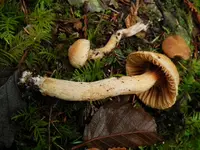
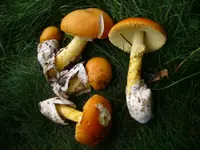
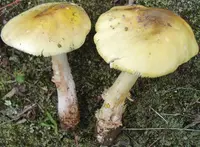
Fool's Funnel Care (Clitocybe rivulosa)

Fool's Funnel

About Fool's Funnel

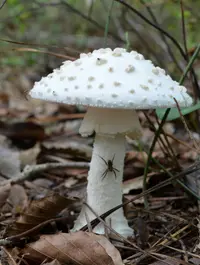
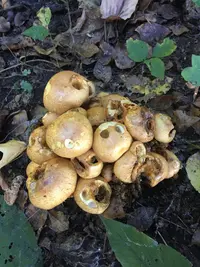
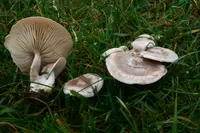
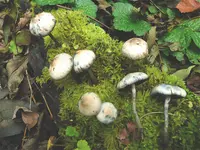
Fool's funnel, Clitocybe rivulosa, is not a plant but a small, white to pale mushroom that appears in lawns, pastures, and grassy parks. It often forms arcs or full rings known as fairy rings.

Caps are usually funnel-shaped with fine, darker streaks and crowded white gills, which makes it easy to confuse with harmless lawn mushrooms. It fruits mainly in cool, damp weather and can recur in the same turf areas year after year.

Because it is a fungus that relies on existing soil conditions and grass, gardeners do not typically care for Fool's Funnel in the same way as ornamental plants. Its presence reflects soil, moisture, and mowing patterns more than active cultivation.

Main Plant Requirements

Care Difficulty

Moderate Care

Light Preference

Partial Shade

Water Requirements

Regular Water

Temperature Preference

Cool Climate

Hardiness Zone

Unknown

Soil Texture

Loamy, Sandy, Organic-rich

Soil pH

Acidic (5.5–6.5), Slightly acidic (6.5–7.0)

Soil Drainage

Moist but well-drained

Fertilization

Minimal (feed rarely)

Get Personalized Care Plan

Scan your plant to receive care tips personalized for your specific plant

Available on iOS and Android

How to Care for the Fool's Funnel

This grassland fungus prefers cool, moderate light rather than strong, direct sun.

  • Provide 2–4 hours of gentle morning sun with bright, open shade or dappled light for the rest of the day on short turf or pasture.
  • Tolerates light to partial shade, but dense shade reduces fruiting bodies, so choose a site with some open sky exposure.
  • Avoid strong, direct midday sun in hot months, which can dry the substrate quickly and limit Fool's Funnel fruiting periods.

Moist but not waterlogged conditions support reliable fruiting of this lawn-dwelling fungus.

  • Maintain evenly moist soil, allowing the top 2–3 cm to start drying between rains or irrigation on established grass.
  • Increase watering frequency during hot, dry spells, using deep, infrequent irrigation rather than light daily sprinkling to keep the mycelium zone moist.
  • Reduce watering in cool, wet seasons to prevent standing water, foul odor, or slimy, collapsing caps, which suggest prolonged saturation.

This species fruits best in cool, temperate conditions typical of mild grassland climates.

  • Optimal fruiting occurs around 50–65°F (10–18°C), especially in moist autumn or spring weather following rain.
  • Mycelium survives down to about 32°F (0°C), but hard frost and frozen ground pause visible growth until soils thaw.
  • Heat above 77–86°F (25–30°C) with dry conditions suppresses fruiting; shaded, moist turf helps buffer brief warm spells during summer.

Humidity is not a meaningful cultivation lever for Clitocybe rivulosa, which develops outdoors in open-air conditions rather than controlled indoor environments.

This fungus fruits best in consistently moist, aerated turf soils rather than in constructed potting mixes.

  • Thrives in moderately fertile, fine-textured loam or sandy loam with a stable grass sward, mimicking lawn or pasture conditions.
  • Prefers free-draining soil that never becomes waterlogged; standing water suppresses mycelium and increases rot risk.
  • Tolerates slightly acidic to neutral conditions around pH 5.5–7.5, similar to many managed lawns and park grasslands.
  • To improve aeration and drainage in compacted turf, use core aeration and top-dress with fine sand or sand–compost blend rather than digging or heavy cultivation.

This lawn-associated fungus is not suitable for container growing, as its mycelium is adapted to spread through continuous turf soils rather than confined pot volumes.

Clitocybe rivulosa is a grassland fungus that does not benefit from conventional home fertilizing and relies on natural soil nutrients.

Pruning is not applicable to Clitocybe rivulosa, as it is a wild mushroom rather than a cultivated garden or indoor plant.

This species is not suited to typical repotting or transplanting because it lives as a fungus in soil and turf, not as a container plant.

  • Transplanting attempts usually fail, as the fungus depends on an extensive underground mycelium network integrated with the existing lawn or soil.
  • Signs of decline, such as fewer mushrooms, usually relate to changes in soil conditions or turf management rather than container limitations.
  • Instead of moving the organism, manage the site by avoiding heavy soil disturbance, compaction, and broad-spectrum fungicides.
  • For lawns, adjusting watering and reducing nitrogen inputs can influence how Fool's Funnel appears, but the organism itself is not physically moved.

Propagation in a controlled way is rarely attempted, since Clitocybe rivulosa spreads on its own via spores and underground mycelium in suitable lawns and grasslands.

No special winter care is recommended for this wild fungus, which naturally endures typical seasonal changes in lawns and grasslands.

Care Tips

Accurate Identification

Confirm identification with a reliable mushroom field guide or expert, since this species is highly toxic and should never be handled, collected, or cultivated for consumption when growing Fool's Funnel.

Restrict Garden Access

If this fungus appears in lawns or play areas, limit access by children and pets and clearly mark or temporarily fence off the area until fruiting bodies are removed and the site is monitored clear.

Safe Removal Practices

Wear gloves, collect all visible caps and stems into a sealed bag, remove a thin layer of surrounding thatch, and dispose of the material with household trash rather than composting.

Manage Host Substrate

Reduce future flushes by dethatching lawns, raking out old buried wood or roots where possible, and avoiding thick, undecomposed mulch layers that favor persistent mycelium.

Record Recurring Patches

Photograph and map locations of recurring rings or patches so repeat appearances can be quickly identified and removed before spores spread further across the lawn.

Common Pests and Diseases

Mycophagous springtails

These insects feed on fungal tissue and can be found grazing on caps and gills of fruiting bodies, sometimes causing pitting or surface scarring. This pest is mainly a concern in cultivated or indoor fruiting setups rather than in wild lawns.

Solution

Reduce excess moisture and standing water around the substrate, and improve air movement to keep surfaces from staying constantly wet. In contained cultivation, remove heavily grazed fruiting bodies, clean surfaces, and use fine mesh or tight-fitting lids to physically exclude springtails from the growing area.

Fungus gnat larvae

These insects develop in damp organic substrates and can tunnel into developing fruiting bodies, leading to misshapen or partially destroyed mushrooms. Symptoms include small entry holes, browning, and quick collapse of affected caps.

Solution

Allow the upper layer of the substrate or turf to dry slightly between waterings and remove decaying plant material that holds constant moisture. In controlled culture, use yellow sticky traps to reduce adult gnats and apply a biological control such as Bacillus thuringiensis israelensis (Bti) to the substrate according to label directions to target larvae.

Slugs and snails

These pests feed directly on tender caps and stems, leaving irregular holes, slime trails, and sometimes consuming entire small fruiting bodies overnight. Damage is mostly cosmetic but can rapidly reduce the number of intact mushrooms.

Solution

Hand-pick slugs and snails around lawns and garden beds during evening or early morning and remove debris that provides cool hiding spots. In cultivation areas, use copper barriers, rough mineral mulches, or carefully positioned iron phosphate bait products around but not directly on the fruiting zone to limit feeding.

Competing saprophytic fungi

These organisms colonize the same organic matter and may outcompete or overgrow the target mycelium, resulting in patchy or reduced mushroom production. Symptoms include other mushroom species or dense foreign mycelial mats appearing where the target fungus previously fruited.

Solution

For those trying to grow Clitocybe rivulosa deliberately, start with clean, verified spawn and avoid introducing unsterilized organic matter or soil from unknown sources into controlled beds. Remove unwanted fruiting bodies promptly and adjust conditions, such as moisture and shade, to favor the desired species while limiting very rich organic amendments that benefit competitors.

Interesting Facts

Highly toxic mushroom

This small white lawn mushroom is seriously poisonous because it contains muscarine, a nerve-acting compound that overstimulates parts of the parasympathetic nervous system and can cause slow heart rate, sweating, and breathing difficulties if ingested.

Common in mown lawns

It frequently appears in closely mown, nutrient-poor turf in temperate regions, often forming groups or partial rings where the underground fungal network, called mycelium, spreads outward through the soil.

Confusing look‑alike issues

Its pale cap, decurrent gills that run slightly down the stem, and modest size can cause confusion with edible lawn mushrooms, which is why mycologists strongly advise beginners never to eat small, white, gilled mushrooms from grass.

Botan icon

Did you know?

Historically, this species was one of the mushrooms used to define the muscarine syndrome in clinical toxicology, so many modern identification guides highlight it as a key example when teaching students about dangerous lawn fungi.

FAQs about Fool's Funnel

This species is seriously poisonous to both humans and pets. Ingestion can cause nausea, vomiting, sweating, breathing difficulty, and in severe cases life‑threatening poisoning. It must never be eaten and should be removed from areas accessible to children or animals.

Grow Healthy Plants with Botan Care

Keep your plants happy and healthy with plant identification, disease detection, and easy care guidance.

Botan plant care app — identify plants on mobile

Explore More Plants