robust clitocybe Care (Clitocybe robusta)

robust clitocybe

About robust clitocybe

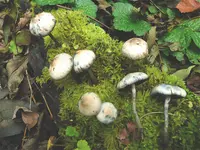
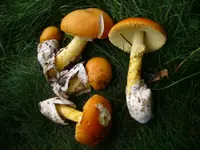
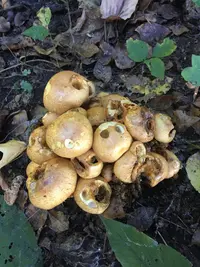
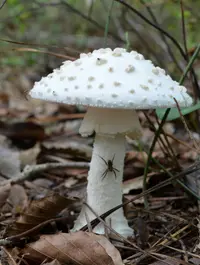
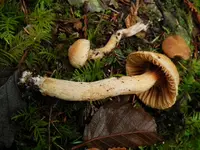
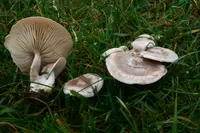
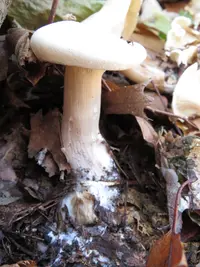
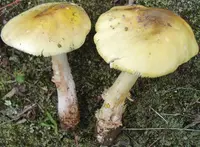
Robust clitocybe (Clitocybe robusta) is a large, fleshy mushroom rather than a leafy plant. It typically forms sturdy, pale to creamy caps with thick stems and crowded gills underneath. Caps often appear slightly funnel-shaped as they mature.

This species is usually found on the ground in woodland areas, gardens, and grassy sites, especially in temperate regions of North America and Europe. It often appears in groups or loose arcs where organic matter is rich.

Although it can tolerate a range of conditions, Clitocybe robusta is not recommended for home cultivation or for those wanting to care for robust clitocybe, because accurate identification is difficult and it is considered poisonous.

Main Plant Requirements

Care Difficulty

Moderate Care

Light Preference

Partial Shade

Water Requirements

Regular Water

Temperature Preference

Cool Climate

Hardiness Zone

Unknown

Soil Texture

Loamy, Organic-rich

Soil pH

Slightly acidic (6.5–7.0)

Soil Drainage

Moist but well-drained

Fertilization

Minimal (feed rarely)

Get Personalized Care Plan

Scan your plant to receive care tips personalized for your specific plant

Available on iOS and Android

How to Care for the robust clitocybe

This fungus develops best in stable, cool woodland light rather than full, open sun.

  • Provide bright, indirect light with 2–4 hours of soft morning sun filtered through trees; avoid direct midday sun that can overheat and dry the substrate.
  • Site patches in partial shade under shrubs or deciduous trees where dappled light shifts through the day, mimicking natural forest margins.
  • In summer, increase shade if caps show bleaching or cracked surfaces; in low autumn light, allow slightly more open canopy to maintain 2–3 hours of diffuse light.

Moist, not waterlogged, ground is essential for steady fruiting and mycelium health.

  • Maintain evenly moist soil or leaf litter, letting only the top 1–2 cm start to dry before adding water, especially during active fruiting.
  • Use well-drained, humus-rich ground; avoid standing water, which encourages rot and foul odor around Clitocybe robusta clusters.
  • In cooler seasons, reduce added water and rely more on rainfall; in hot, dry spells, irrigate gently when caps appear shriveled or the substrate feels powder-dry.

This species prefers cool to mild conditions similar to shaded forest floors.

  • Aim for 50–65°F (10–18°C) for strongest development, with most fruiting typically in cool, moist weather rather than summer heat.
  • Tolerates brief drops to about 32°F (0°C), but repeated hard frosts or frozen ground can halt fruiting and damage exposed tissue.
  • Above 75°F (24°C), provide deeper shade and extra moisture; prolonged heat above 85°F (29°C) often suppresses fruiting and dries the substrate.

Humidity is not a major factor for Clitocybe robusta, which copes well in typical outdoor air.

Clitocybe robusta fruits best in loose, organic-rich, consistently moist ground.

  • Aim for a crumbly, loamy texture rich in leaf litter or compost to mimic forest floor conditions.
  • Ensure excess water drains away quickly; avoid compacted or waterlogged spots that stay saturated after rain.
  • A slightly acidic to neutral pH around 5.5–7.0 supports balanced microbial activity and nutrient availability.
  • Mix in coarse sand or fine bark chips to improve aeration and prevent the substrate from sealing or crusting.

This species is not suitable for typical container growing, as it depends on a broad, undisturbed soil ecosystem.

This wood-decay fungus fruits best in naturally nutrient-rich, undisturbed soils and generally does not need added fertilizer.

Clitocybe robusta does not require horticultural pruning, as it is a wild, decomposer fungus rather than a managed garden plant.

This species is not suited to typical repotting or transplanting, as it lives as a mycelial network in soil or woody debris rather than a potted plant.

  • Leave existing colonies undisturbed; moving soil blocks often disrupts the fine mycelium and may stop fruiting.
  • If relocation is necessary, move a generous volume of colonized substrate, keeping moisture and structure intact.
  • Transplant during cool, moist weather to reduce desiccation stress on the mycelium.
  • After relocation, maintain consistent shade and moisture so the network can re-establish contact with the new site.

Clitocybe robusta is not typically propagated in home or ornamental settings, as it is a wild saprophytic fungus with complex ecological needs.

This fungus is adapted to natural seasonal cycles in temperate climates and generally needs no dedicated winter care in the landscape.

Care Tips

Use clean substrate

Prepare a sterile, low-nutrient substrate such as pasteurized hardwood sawdust or straw to limit competing fungi and bacteria that can outgrow the mycelium.

Control air exchange

Provide gentle but regular fresh air exchange in the fruiting area to prevent carbon dioxide buildup, which can lead to elongated, misshapen caps and weaker fruiting bodies.

Monitor surface moisture

Mist the fruiting surface lightly and use a clear humidity tent or box so the substrate stays evenly damp but not wet, preventing cap cracking and bacterial blotches.

Stage your production

In small home setups for growing robust clitocybe, stagger several small inoculated containers started 1–2 weeks apart to ensure a more continuous harvest rather than a single flush.

Practice strict hygiene

Disinfect tools and containers before handling the substrate and avoid breathing directly over open cultures to reduce contamination from mold spores and bacteria.

Common Pests and Diseases

Fungal gnat larvae

This pest commonly develops in very wet culture media used for mushroom kits or trays and feeds on developing mycelium and young fruiting bodies. Symptoms include stunted clusters, malformed caps, and small white larvae visible in or on the substrate.

Solution

Reduce excess surface moisture, improve ventilation, and use fine mesh or insect netting to exclude adult gnats from the growing area. Remove heavily infested substrate sections if practical and use yellow sticky traps near the culture to monitor and reduce adult populations while maintaining clean, promptly removed organic debris around the setup.

Mite infestation

This pest includes various microscopic or very small mites that feed on mycelium and gill tissue, especially in warm, confined growing setups. Symptoms include slow colonization, pitted or rough cap surfaces, and fine moving specks on the substrate or under the cap.

Solution

Lower temperatures into the recommended range, improve airflow, and avoid overcrowding of cultures to create less favorable conditions for mites. Discard heavily infested blocks, clean and disinfect the growing chamber, and where local regulations permit, introduce predatory mites from reputable suppliers as a biological control, combined with strict hygiene of tools and containers.

Bacterial blotch

This disease is caused by moisture-loving bacteria that develop on persistently wet caps and stems, especially under stagnant air. Symptoms include oily, water-soaked yellow to brown spots on the cap surface that may become slimy and cause rapid deterioration of fruiting bodies.

Solution

Reduce overhead misting directly onto caps, instead humidifying the surrounding air and allowing surfaces to dry lightly between cycles. Increase air exchange, remove and discard affected mushrooms promptly, and disinfect hard surfaces between batches while avoiding splashing contaminated water onto healthy clusters.

Green mold contamination

This disease is typically caused by Trichoderma species that colonize the substrate and outcompete the mushroom mycelium under poor hygiene or unsuitable substrate conditions. Symptoms include fast-spreading white then bright green patches on the substrate, loss of mushroom production in affected areas, and a dusty green spore layer.

Solution

Remove and carefully bag contaminated blocks or trays to prevent spore spread, then clean and disinfect the grow space thoroughly. For future cycles, pasteurize or sterilize substrate correctly, use fresh spawn, limit handling in non-sterile conditions, and maintain stable temperature and humidity to favor healthy Clitocybe robusta care over competitor molds.

Interesting Facts

Strong farinaceous odor

Mature fruit bodies emit a pronounced farinaceous smell, often compared to wet flour or freshly ground grain, which helps field mycologists distinguish it from similar pale mushrooms.

Saprotrophic forest decomposer

This species is a saprotroph, meaning it feeds on dead organic matter, and commonly grows on needle litter and woody debris in coniferous and mixed forests, contributing to nutrient cycling in cool-temperate ecosystems.

Reported gastrointestinal toxicity

Although non-deadly, this mushroom has been associated with documented cases of gastrointestinal upset in humans, and modern field guides generally classify it as inedible or poisonous rather than a safe wild edible.

Botan icon

Did you know?

Molecular studies have shown that some collections historically identified as Clitocybe robusta actually represent a complex of closely related taxa, illustrating how DNA sequencing has reshaped understanding of species limits within the former broad concept of Clitocybe.

FAQs about robust clitocybe

This mushroom is considered poisonous and should never be eaten. It can cause significant gastrointestinal upset and potentially neurologic symptoms. Identification errors are common, so foraging or tasting is strongly discouraged, even for experienced mushroom enthusiasts.

Grow Healthy Plants with Botan Care

Keep your plants happy and healthy with plant identification, disease detection, and easy care guidance.

Botan plant care app — identify plants on mobile

Explore More Plants