Sweetbread Mushroom Care (Clitopilus prunulus)

Also known as: The Miller
Sweetbread Mushroom

About Sweetbread Mushroom

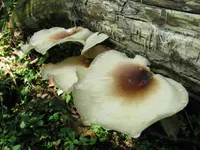
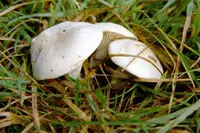
Sweetbread mushroom, Clitopilus prunulus, is a fleshy, gilled fungus rather than a typical green plant. It forms low, white to pale gray caps with decurrent gills that run slightly down the stem.

In nature it usually appears on soil or leaf litter in woodlands, grassy clearings, and hedgerows, often in mild to cool seasons. It tends to fruit in small groups or scattered clusters rather than dense clumps.

This species is considered choice edible by experienced foragers, but reliable identification is essential because some similar white mushrooms are dangerously toxic. In cultivation, it can be demanding because it prefers cool, consistently moist, humus-rich substrates and stable conditions, so it is not an easy species to care for Sweetbread Mushroom at home.

Main Plant Requirements

Care Difficulty

Moderate Care

Light Preference

Partial Shade

Water Requirements

Keep Soil Moist

Temperature Preference

Cool Climate

Hardiness Zone

Unknown

Soil Texture

Loamy, Silty, Organic-rich

Soil pH

Acidic (5.5–6.5), Slightly acidic (6.5–7.0)

Soil Drainage

Moist but well-drained

Fertilization

Minimal (feed rarely)

Get Personalized Care Plan

Scan your plant to receive care tips personalized for your specific plant

Available on iOS and Android

How to Care for the Sweetbread Mushroom

Clitopilus prunulus fruits best in cool, shaded woodland conditions rather than direct open sun.

  • Provide bright dappled shade or full shade with only brief early morning sun, avoiding direct afternoon exposure that can dry the substrate and damage fruiting bodies.
  • Aim for light levels similar to a deciduous forest edge, with 2–4 hours of soft, filtered light and indirect brightness for the rest of the day.
  • In summer, increase shade using leaf litter, low groundcover, or shade cloth; in cooler seasons, allow a bit more filtered light to maintain steady growth.

This woodland fungus needs consistently moist, not saturated, soil to form reliable fruiting bodies.

  • Maintain evenly moist soil, letting only the top 1–2 cm start to feel just damp before re-wetting; avoid letting the substrate fully dry out.
  • Use well-drained, humus-rich soil so water moves through quickly while organic matter holds moisture, preventing stagnant, waterlogged conditions.
  • Increase watering frequency during warm, windy periods and reduce in cool, wet weather; pale, shriveling caps suggest dryness, while slimy, collapsing mushrooms indicate excess moisture.

This species prefers cool to mild conditions similar to a shaded forest floor.

  • Optimal fruiting usually occurs around 55–68°F (13–20°C), with mycelium growth continuing from roughly 45–72°F (7–22°C).
  • It tolerates short dips near 32°F (0°C) in soil but fruiting bodies are easily damaged by frost, so expect fewer mushrooms after hard freezes.
  • Prolonged heat above 77–80°F (25–27°C) slows growth and dries the substrate; provide deeper shade and added mulch during hot, dry spells to buffer temperature swings.

This woodland fungus prefers moist, cool air but survives in moderate household humidity if the substrate stays damp.

  • Aim for 60–80% humidity, especially during active fruiting, to limit cap cracking and drying.
  • Tolerates brief drier periods if the growing substrate does not dry out at the surface.
  • Low humidity shows as shriveling, rolled cap edges, and rapid aging; increase humidity with a tented clear cover, open tray of water, or fine misting around, not directly on, Sweetbread Mushroom.

Clitopilus prunulus requires a consistently moist, well-aerated, organic substrate rather than typical garden soil.

  • Use loose, humus-rich material such as partially decomposed hardwood sawdust, leaf mold, and a small portion of loamy soil.
  • Ensure rapid drainage; the substrate should hold moisture but never stay waterlogged or form sticky clumps.
  • Target a slightly acidic to neutral pH around 5.5–7.0 to support balanced microbial activity.
  • Improve aeration by mixing in coarse wood chips or perlite, and avoid dense clay, peat-only mixes, or compacted ground.

This species is suitable for container growing when the vessel supports moist, cool, and aerated substrate.

  • Choose a deep, broad container that allows lateral spread of the colonized substrate rather than restricting it to a narrow column.
  • Use a rigid, opaque container to limit light on the substrate and maintain cooler, more stable temperatures.
  • Drill extra side holes just above the base to improve air exchange around the substrate while still retaining moisture.

Clitopilus prunulus grows as a wild saprophytic fungus and does not benefit from household or garden fertilization.

Pruning is not applicable to Clitopilus prunulus because it is a mushroom-forming fungus, not a woody or leafy plant.

Transplanting focuses on maintaining or moving the mycelium rather than individual mushrooms.

  • Transplant only when the mycelium-colonized substrate is fully established and growth has slowed or become patchy.
  • Choose mild conditions in spring or early fall to reduce stress on the fungal network.
  • Move colonized substrate gently into fresh, clean medium with similar moisture and texture.
  • Keep the new site evenly moist and shaded so the mycelium can re-establish with minimal disturbance.

Propagation of Clitopilus prunulus is specialized and usually handled by experienced growers or mycologists.

In natural conditions Sweetbread Mushroom generally survives winter without special intervention, relying on its mycelium in the soil or substrate.

Care Tips

Use clean spawn

Always inoculate with fresh, lab-grade or trusted local-club spawn and disinfect tools and containers with 70% isopropyl alcohol to reduce contamination from competing fungi and bacteria.

Manage slug pressure

Around outdoor beds, hand-pick slugs at dusk, use low-profile physical barriers such as copper tape or fine mesh, and keep dense groundcovers trimmed back so slugs have fewer hiding places near the crop.

Control bed moisture

For outdoor patches, use a loose straw or leaf-litter mulch layer 2–5 cm thick to buffer moisture and temperature, and lift a small section regularly to check that the underlying substrate stays evenly moist, not waterlogged.

Rotate collection spots

When harvesting, cut or gently twist mushrooms at the base instead of pulling up clumps and alternate collection areas within the bed to avoid overly disturbing the mycelium network.

Monitor for gill color

Check gill color and smell closely before eating and avoid any specimens whose gills are not distinctly pink or that show off-odors or unusual staining, as this is a critical safety step when growing Sweetbread Mushroom for consumption.

Common Pests and Diseases

Dipteran larvae

This pest lives inside or on the fruiting bodies and tunnels through the mushroom flesh, making it soft, discolored, and unappetizing. Symptoms include small entry holes, internal galleries, and premature decay of caps and stems.

Solution

Harvest mushrooms when young and firm, remove and discard infested fruiting bodies, and avoid leaving overmature mushrooms in place that attract flies. In outdoor patches, maintain good sanitation by promptly removing decaying organic matter and use fine mesh or row cover over cultivated beds if trying to grow Clitopilus prunulus in a managed setting.

Slugs and snails

These mollusks feed directly on the caps and gills, leaving irregular holes, slime trails, and sometimes completely consuming small mushrooms. Symptoms include shredded margins and moist, chewed areas on the fruiting bodies.

Solution

Hand-pick slugs and snails in the evening, remove hiding spots such as dense debris right next to fruiting areas, and use barriers like copper tape or rough diatomaceous earth around small cultivated patches. In gardens, beer traps or iron phosphate slug baits placed away from the mushrooms can also reduce feeding pressure.

Bacterial blotch

This disease causes water-soaked, slimy, or greasy-looking spots on caps that turn yellow-brown and may spread rapidly in prolonged wet conditions. Symptoms include localized softening of tissue and an unpleasant odor as the affected areas break down.

Solution

Promote good air movement around fruiting areas, avoid overhead irrigation or prolonged wetting of caps, and harvest mushrooms only when dry to the touch. Remove and discard any affected mushrooms promptly and avoid handling healthy mushrooms after touching diseased tissue to limit spread.

Competing mold fungi

This disease appears as fuzzy, colored (often white, green, or gray) mold over the substrate or on the mushrooms themselves, which can stunt or distort fruiting and quickly contaminate a cultivated patch. Symptoms include off-odor, powdery or cottony growths, and failure of normal mushroom development.

Solution

Improve cleanliness of the cultivation area, use well-pasteurized or properly aged substrate, and promptly remove any moldy material and surrounding substrate. Reduce excess moisture, increase airflow, and avoid overcrowding fruiting bodies to favor healthy mycelium over competing molds.

Interesting Facts

Distinct flour-like aroma

Mature fruiting bodies often smell strongly of fresh flour or meal, a key field character used by mycologists to separate it from similar but toxic mushrooms.

Pink spore print

Although the gills appear white to pale cream when young, they shed spores that form a distinctly pink spore print, which is a diagnostic feature of this species in the field.

Preference for damp soils

This fungus commonly fruits on damp, often mossy soil in woodlands, pastures, and along paths, forming scattered to gregarious groups from late summer to autumn in temperate regions.

Botan icon

Did you know?

Clitopilus prunulus is considered an indicator species for certain semi-natural grasslands and old woodland pastures in parts of Europe, so its presence can help conservationists identify and prioritize habitats with long ecological continuity.

FAQs about Sweetbread Mushroom

This species is considered a good edible mushroom when correctly identified, with a mild, mealy smell and pale, decurrent gills. However, it can be confused with toxic look-alikes, so only experienced foragers should harvest and eat it.

Grow Healthy Plants with Botan Care

Keep your plants happy and healthy with plant identification, disease detection, and easy care guidance.


Botan plant care app — identify plants on mobile

Explore More Plants