marshmallow bolete Care (Fistulinella mollis)

marshmallow bolete

About marshmallow bolete

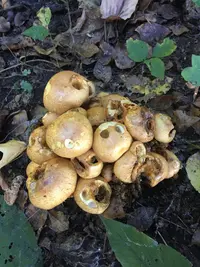
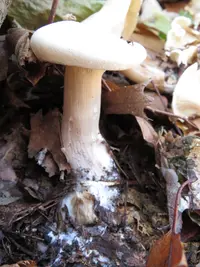
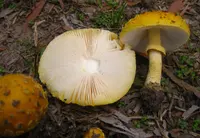
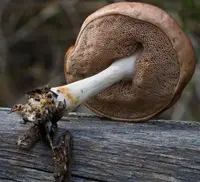
Fistulinella mollis, commonly called marshmallow bolete, is a soft-fleshed bolete fungus rather than a leafy plant. It forms thick, cushiony caps with pores instead of gills, often in pale to pinkish tones.

This species typically appears on forest floors in warm, humid regions, often in association with trees that provide it with nutrients through a root partnership called mycorrhiza. Its soft texture and tendency to bruise or decay quickly make it less robust than many other boletes.

Because it is a woodland fungus with specific tree partners and moisture needs, it is not easy to cultivate, and attempts to care for marshmallow bolete at home are rarely successful.

Main Plant Requirements

Care Difficulty

Moderate Care

Light Preference

Partial Shade

Water Requirements

Moderate Water

Temperature Preference

Warm Climate

Hardiness Zone

Unknown

Soil Texture

Loamy, Organic-rich

Soil pH

Slightly acidic (6.5–7.0)

Soil Drainage

Moist but well-drained

Fertilization

Minimal (feed rarely)

Get Personalized Care Plan

Scan your plant to receive care tips personalized for your specific plant

Available on iOS and Android

How to Care for the marshmallow bolete

This ectomycorrhizal fungus prefers gentle, woodland-style light rather than strong, open exposure.

  • Provide dappled or filtered light under trees, similar to light levels on a forest floor, with no direct midday sun.
  • Allow soft morning sun for 1–3 hours if canopy cover is thin, but avoid harsh afternoon sun that can dry the fruiting bodies and substrate.
  • In summer, ensure partial shade all day; in cooler months, slightly more open, filtered light is acceptable as long as the ground does not fully dry, which supports marshmallow bolete formation.

Moist, well-drained soil around the host tree is essential for consistent fruiting of Fistulinella mollis.

  • Aim for evenly moist soil in the upper 5–8 cm, letting the surface just start to dry before the next thorough soak if supplemental watering is used.
  • Use loose, organic-rich soil or mulch that drains freely; standing water or sticky, compacted soil indicates high risk of rot and reduced fungal activity.
  • During hot, dry periods, increase irrigation frequency and watch for cracked, dusty soil as a sign of dryness, while yellowing or slimy caps suggest overwatering or waterlogged conditions.

This species develops best in mild, consistently cool to warm conditions typical of sheltered woodland sites.

  • Optimal fruiting occurs around 55–70°F (13–21°C), with steady moisture and limited temperature swings between day and night.
  • The mycelium in soil can tolerate down to about 32°F (0°C), but visible fruiting bodies are easily damaged by hard frost and should not be expected in freezing periods.
  • Sustained heat above 80–85°F (27–29°C) with dry air reduces fruiting; provide shade, ground moisture, and leaf litter or mulch to buffer roots and soil from temperature extremes.

This fungus needs consistently moist air but tolerates brief dips in humidity.

  • Aim for 60–80% humidity in cultivation tents or chambers to support stable fruiting bodies of marshmallow bolete.
  • In drier air below 50%, expect caps to crack, edges to dry, and pores to discolor, indicating humidity stress.
  • Increase humidity with fine-mist spraying of the surrounding environment, humidifiers, or loosely covering trays with perforated plastic to retain moisture without stagnation.

This mycorrhizal fungus is grown on moist, organic-rich substrates rather than standard potting soil.

  • Use a loose mix of partially decomposed hardwood sawdust, fine wood chips, and leaf litter to mimic forest floor texture for Fistulinella mollis.
  • Maintain free drainage with moderate water-holding capacity by adding 20–30% coarse material such as perlite or coarse sand to the substrate.
  • Keep the substrate slightly acidic, around pH 5.5–6.5, by favoring hardwood materials and avoiding lime or alkaline amendments.
  • Avoid compacted, clay-heavy, or waterlogged substrates, which restrict gas exchange and quickly lead to anaerobic, fungus-suppressing conditions.

This species is only moderately suitable for container growing in controlled, outdoor or sheltered setups.

  • Select wide, shallow tubs so colonized substrate forms an even layer, which supports more uniform pin and cap development than deep containers.
  • Use rigid plastic or lightweight composite containers that retain moisture but are easy to move out of direct sun or heavy rain when needed.
  • Elevate containers on racks or bricks so drainage holes remain clear and air can flow beneath, limiting stagnant moisture and bacterial buildup at the base.

This fungus is usually grown in natural soil with host trees, so marshmallow bolete needs little or no additional fertilizer in most garden settings.

Pruning is not applicable to Fistulinella mollis because it is a mycorrhizal fungus rather than a woody or herbaceous plant.

Transplanting focuses on moving the associated host tree or soil rather than the fruiting bodies of this mycorrhizal fungus.

  • Transplant only during cool, moist weather, ideally in early spring or fall, to reduce stress on the host tree and soil organisms.
  • Look for signs like crowded root zones or unsuitable site conditions as reasons to relocate the host tree with its surrounding soil.
  • Move a large, intact soil root ball, disturbing roots and native soil structure as little as possible to preserve fungal associations.
  • Water thoroughly after transplanting and maintain even soil moisture while the tree re-establishes, avoiding waterlogging.

Propagation of this mycorrhizal fungus is specialized and is rarely attempted by typical home growers.

No specific winter care is required because this fungus naturally tolerates seasonal cold in its native range when associated with hardy host trees.

Care Tips

Substrate pre-conditioning

Before inoculation, prepare a shaded outdoor bed with well-rotted hardwood chips or decayed pine litter, then let it sit moist for 2–3 weeks so beneficial microbes establish and outcompete aggressive molds that could suppress Fistulinella mollis.

Use of test plots

Instead of inoculating a large area at once, establish 2–3 small test patches under slightly different tree species or shade levels to identify the micro-site where growing marshmallow bolete is most reliable before expanding.

Minimal-disturbance harvesting

When fruiting bodies appear, cut them cleanly at the base with a disinfected knife rather than pulling them out, and avoid raking or digging nearby so the underground mycelium network remains intact for future flushes.

Surface moisture buffering

Apply a thin top layer (1–2 cm) of leaf litter or fine bark over the inoculated zone to buffer rapid moisture loss and protect forming primordia, taking care not to compact the layer so air can still move through it.

Seasonal bed renewal

Every 1–2 years, top-dress the colonized area with a fresh but partially aged layer of similar woody material used initially, adding no more than 3–5 cm so the existing mycelium can gradually grow into new food without being buried too deep.

Common Pests and Diseases

Mycophagous springtails

These insects feed on the soft fruiting bodies, creating small pits and surface scarring, especially in damp, organic-rich substrates. This pest is attracted to constantly wet conditions and dense clusters of mushrooms.

Solution

Reduce surface moisture by improving drainage and ventilation, and harvest fruiting bodies promptly once mature. If numbers are high, allow the top layer of substrate to dry slightly between waterings and use sticky traps nearby to monitor and reduce populations without contaminating the culture.

Fungus gnats

These insects are drawn to the moist substrate and decaying organic matter used for cultivation, where larvae chew on mycelium and young primordia, slowing or deforming development. Adults often hover around trays or bags and can introduce other microbes.

Solution

Improve air movement and avoid overwatering so the top substrate layer is just moist, not saturated. Cover vents with fine mesh, use yellow sticky cards to trap adults, and, if needed, drench the substrate surface with a biological control containing Bacillus thuringiensis israelensis, following label directions to protect the mycelium.

Green Trichoderma mold

This disease presents as fast-spreading white mycelium that soon turns bright to dark green as spores form on the substrate or at the mushroom base. Symptoms include stunted or aborted fruiting bodies and a dusty green coating that overtakes the intended culture.

Solution

Promptly remove and discard heavily contaminated blocks or trays in sealed bags to prevent spore spread. For small early patches, cut out affected substrate with a clean tool, isolate the culture, increase fresh air exchange, and review hygiene, pasteurization, and humidity levels before restarting production in a clean environment.

Bacterial blotch

This disease causes slimy, soft, water-soaked patches on the cap and stipe surface, often yellowish or brown and sometimes with an unpleasant odor. Symptoms include localized collapse of the soft tissue where free water sits for extended periods.

Solution

Reduce overhead misting and avoid standing water on caps by using finer mist and stronger but gentle air movement. Remove affected mushrooms promptly, adjust humidity so surfaces dry slightly between cycles, and disinfect tools and growing containers before the next flush as part of careful Fistulinella mollis care.

Interesting Facts

Soft, gelatinous texture

Mature fruiting bodies of this species develop an unusually soft, almost jelly-like context, which is why it is called marshmallow bolete in some sources. The cap and stipe tissues compress easily when handled and can feel noticeably squishy compared with most boletes.

Distinctive blue staining

When the pore surface or cut flesh is bruised, it rapidly stains blue, a chemical oxidation reaction that is characteristic of some boletes but occurs in a particularly striking way in this species. The intensity of the blue stain can help distinguish it from similar-looking mushrooms in the field.

Association with eucalyptus

This species is frequently recorded in association with eucalyptus trees in Australia, where it forms ectomycorrhizal relationships with the roots. In this symbiosis, the fungus helps the tree absorb water and minerals while receiving sugars produced by photosynthesis.

FAQs about marshmallow bolete

This fungus is generally regarded as inedible. The texture is soft, and the taste is poor or unpleasant. It is not considered a culinary species and should not be collected as food.

Grow Healthy Plants with Botan Care

Keep your plants happy and healthy with plant identification, disease detection, and easy care guidance.

Botan plant care app — identify plants on mobile

Explore More Plants