Far South Amanita Care (Amanita australis)

Also known as: southern amanita
Far South Amanita

About Far South Amanita

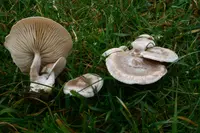
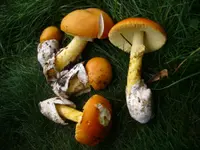
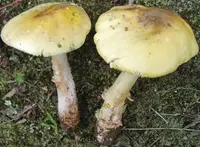
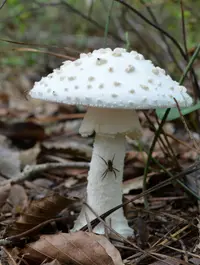
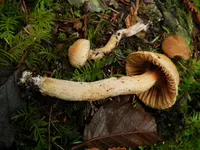
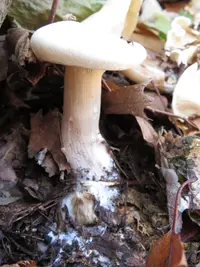
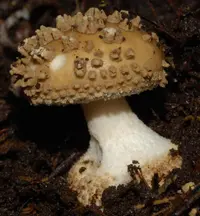
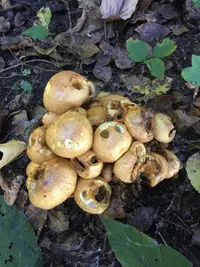
Far South amanita, Amanita australis, is a gilled mushroom rather than a leafy houseplant. It forms stout stems with rounded to flat caps, often with pale warts or patches on top. Gills are usually white and crowded beneath the cap.

This species is native to southern regions of New Zealand, often appearing in forested areas in association with native trees. It is not a practical choice for home cultivation, and attempts to care for Far South Amanita are generally experimental and difficult.

In nature it prefers cool, moist, well-drained soils and forms close associations with tree roots, a relationship that makes controlled cultivation challenging for most growers.

Main Plant Requirements

Care Difficulty

Hard Care

Light Preference

Partial Shade

Water Requirements

Regular Water

Temperature Preference

Cool Climate

Hardiness Zone

Unknown

Soil Texture

Loamy, Sandy, Organic-rich

Soil pH

Acidic (5.5–6.5)

Soil Drainage

Moist but well-drained

Fertilization

Minimal (feed rarely)

Get Personalized Care Plan

Scan your plant to receive care tips personalized for your specific plant

Available on iOS and Android

How to Care for the Far South Amanita

This ectomycorrhizal fungus prefers stable, forest-like light rather than open, exposed sun.

  • In nature, Far South Amanita grows under forest canopies in bright shade or dappled light, typically receiving filtered sun for 2–4 hours per day rather than direct, overhead exposure.
  • Shelter it from strong midday and afternoon sun, as extended direct light can overheat the soil surface, dry the upper layer rapidly, and disrupt the host tree–fungus relationship.
  • Very deep shade (less than 1–2 hours of diffuse light) can limit fruiting body formation, so select sites with light, shifting canopy shade that changes slightly with the seasons.

This species depends on consistently moist, free-draining forest soil rather than strict watering schedules.

  • Aim for soil that stays evenly moist in the top 3–5 cm, never waterlogged; surface should feel cool and slightly damp but not muddy when pressed between fingers.
  • During drier or warmer periods, increase water so the soil does not fully dry out, watching for shrinking, cracking, or pale, limp surrounding vegetation as signs of underwatering impact on the habitat.
  • Reduce added water in cooler, rainy seasons to avoid saturated conditions; pooling water, sour smell, or slimy organic matter indicate poor drainage and potential damage to the Amanita australis mycelium.

This fungus is adapted to cool, oceanic climates with mild seasonal shifts.

  • Ideal active growth typically occurs around 50–68°F (10–20°C), similar to cool, moist forest floor conditions with stable humidity and moderate airflow.
  • It usually tolerates cool temperatures down to about 32°F (0°C) if soil does not freeze deeply, but repeated hard frosts and frozen ground can reduce fruiting and damage fine mycelial threads.
  • Sustained heat above 77–82°F (25–28°C), especially with dry air and warm winds, can dry the upper soil layer quickly, so shaded, mulched sites help buffer temperature swings through summer.

This species has specific humidity needs and does not adapt well to dry indoor air.

  • Aim for 70–90% humidity to mimic the cool, moist habitats where Far South Amanita occurs.
  • Dry air causes rapid cap cracking, shriveling margins, and dulling of cap color.
  • Increase humidity with consistently damp surrounding leaf litter, nearby open-water trays, or localized fine-mist fogging rather than direct mist on caps.

Amanita australis is a mycorrhizal fungus that relies on very specific soil and host-tree conditions, so cultivation attempts are rarely successful.

  • Naturally, it occurs in loose, well-aerated forest soils with a mix of mineral particles and high organic matter from leaf litter and woody debris.
  • Soils stay moist but never waterlogged, with rapid drainage through the upper profile and no standing water after rain.
  • The species associates with mildly acidic substrates, roughly around pH 5.0–6.5, typical of undisturbed southern beech forest floors.
  • Any experimental substrate should emphasize leaf mold, fine bark, and coarse sand or grit to maintain porosity, avoiding compacted, fertilized, or heavily disturbed ground.

This fungus is not realistically suitable for container growing because it depends on complex mycorrhizal relationships with host trees and undisturbed forest soil.

This ectomycorrhizal fungus grows best with minimal intervention, so direct fertilizing of Far South Amanita is usually unnecessary.

Pruning is not applicable to Amanita australis, since it is a wild ectomycorrhizal fungus rather than a garden shrub or tree.

Transplanting Amanita australis is rarely successful because it depends on a stable symbiosis with host tree roots and specific soil fungi.

  • Avoid disturbing established colonies, as moving the mushroom without its full soil community usually leads to failure.
  • If research or conservation requires relocation, move a large intact soil block including host tree seedlings and surrounding litter.
  • Perform any essential moves during the tree’s dormant season to reduce stress on associated roots.
  • Keep soil moisture and structure as unchanged as possible to preserve the underground mycelium network.

Propagation of this species is specialized and difficult, as Amanita australis relies on complex partnerships with host trees and soil microbes.

This wild ectomycorrhizal fungus is naturally adapted to local winter conditions and does not require active winter care in cultivation-like settings.

Care Tips

Spore-free disposal

Collect and bag spent caps before the gills fully mature and dispose of them in household trash rather than compost to limit unwanted spread of spores in nearby lawns or garden beds.

Targeted site marking

Flag or discreetly mark the exact fruiting zone at first appearance so future mowing, raking, and foot traffic can be redirected to reduce physical damage and soil disturbance around the mycelium.

Mower hygiene

Rinse or brush off mower decks, trimmer guards, and garden tools after contact with mushrooms so you do not unintentionally move spores or infected debris to new areas when you grow Amanita australis outdoors.

Soil disturbance control

Delay deep digging, stump removal, or major root pruning of nearby trees in the active fruiting area until the off-season to avoid severely disrupting the mycorrhizal network that supports the fungus.

Observation-based logging

Keep a simple log of dates, weather conditions, and host tree health whenever fruiting occurs; over several seasons this helps predict emergence patterns and distinguish normal variation from stress-related decline in the fungal partner or host tree.

Common Pests and Diseases

Mycophagous springtails

This pest feeds on fungal tissue, including developing fruiting bodies and mycelium in very damp substrates. Symptoms include pitting, surface scarring, and collapse of small primordia in cultivation trays or beds.

Solution

Reduce excess moisture and improve drainage so the substrate is damp but not waterlogged, then increase fresh air exchange to lower CO₂ levels. If populations remain high, physically remove infested material and use targeted, substrate-safe biological controls such as beneficial nematodes, avoiding broad-spectrum chemicals that disrupt fungal growth when trying to grow Amanita australis.

Fungus gnat larvae

This pest develops in rich, wet substrates and chews on fine mycelium and young fruiting structures. Symptoms include stalled mycelial expansion, aborted pins, and soft, tunneled tissue at the base of fruiting bodies.

Solution

Allow the top layer of the substrate to dry slightly between waterings, remove decaying plant litter, and use fine mesh or covers to limit adult gnat access. For persistent issues, apply a Bacillus thuringiensis israelensis (Bti) product to the substrate at label rates, which targets larvae without significantly harming the fungal colony.

Armillaria root disease

This disease affects the host trees that form ectomycorrhizal partnerships with Amanita australis, gradually killing roots and destabilizing the habitat. Symptoms include host tree decline, thinning canopy, and increased bark decay around the root collar, which reduces compatible mycorrhizal sites over time.

Solution

Remove severely infected host trees and large infected stumps where safe and practical, and avoid planting highly susceptible tree species back into the same site. Promote tree vigor through proper watering and mulching, and where possible favor mixed-species plantings that support a more resilient ectomycorrhizal community important for long-term Amanita australis plant care.

Interesting Facts

Southern hemisphere endemic

This species is native to New Zealand and is not naturally found outside the far southern temperate forests, where it fruits mainly under southern beeches in the genus Nothofagus.

Darkly pigmented cap

Mature mushrooms typically show a dark brown to almost blackish cap with pale, patchy veil remnants, a color pattern that helps distinguish it from the more familiar red-capped fly agaric relatives.

Distinctive spore traits

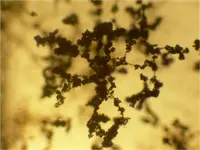
Microscopically, it has broadly ellipsoid, amyloid spores, meaning they stain blue-black in iodine-based reagents, a diagnostic feature used by mycologists to separate it from similar southern Amanita species.
Botan icon

Did you know?

Amanita australis was one of the southern hemisphere Amanita species that helped clarify biogeographic links between South American and New Zealand Nothofagus forests, supporting the idea that some fungal lineages diversified alongside these Gondwanan tree hosts rather than spreading recently by human activity.

FAQs about Far South Amanita

This species is considered highly poisonous to both humans and animals. Ingestion can cause severe gastrointestinal, liver, and neurological symptoms. Never taste wild mushrooms and keep children and pets away from any unknown fungal fruiting bodies.

Grow Healthy Plants with Botan Care

Keep your plants happy and healthy with plant identification, disease detection, and easy care guidance.

Botan plant care app — identify plants on mobile

Explore More Plants