Leafy goosefoot Care (Blitum virgatum)

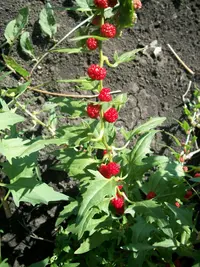
Also known as: Strawberry Goosefoot
Leafy goosefoot

About Leafy goosefoot

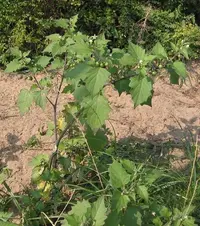
Leafy goosefoot (Blitum virgatum) is an annual leafy plant in the amaranth family, grown both as an ornamental and as an old-style leafy vegetable. It forms upright, branching stems with soft, triangular to diamond-shaped leaves and small, clustered flowers that are not showy. In gardens it often has a loose, slightly informal look and can self-seed in suitable conditions.

Blitum virgatum occurs naturally in parts of Europe and Asia and has become naturalized in other temperate regions. It adapts to a range of soils, grows relatively fast, and is generally easy to manage where summers are not extremely hot or dry. A sunny position with moderate moisture and reasonably fertile, well-drained soil usually suits it, and understanding these basics helps clarify how to care for Leafy goosefoot.

Main Plant Requirements

Care Difficulty

Easy Care

Light Preference

Full Sun

Water Requirements

Regular Water

Temperature Preference

Cool Climate

Hardiness Zone

4–9

Soil Texture

Loamy, Sandy, Organic-rich

Soil pH

Acidic (5.5–6.5), Slightly acidic (6.5–7.0)

Soil Drainage

Moist but well-drained

Fertilization

Light (every 4–6 weeks)

Get Personalized Care Plan

Scan your plant to receive care tips personalized for your specific plant

Available on iOS and Android

How to Care for the Leafy goosefoot

Blitum virgatum grows best with consistent sun exposure suited to cool-season leafy crops.

  • Provide 4–6 hours of direct sun daily, ideally with morning sun and light afternoon shade, especially in warmer regions.
  • Plant in a site that receives full sun in spring and fall but offers partial shade (such as dappled light) during intense midsummer periods.
  • Insufficient light produces tall, weak stems and sparse leaves on Leafy goosefoot, while all-day harsh sun can cause leaf scorch and faster bolting.

Blitum virgatum prefers steadily moist but not waterlogged soil for healthy leaf and stem growth.

  • Water when the top 2–3 cm of soil feels dry, applying enough to moisten the root zone without leaving standing water.
  • Use loose, well-drained soil or beds so excess water can escape; yellowing, limp foliage and soggy soil indicate overwatering and possible root rot.
  • Increase watering during hot, dry spells when leaves wilt by midday, and reduce in cool or rainy periods to avoid saturated conditions.

This cool-season annual performs best in mild temperatures and loses quality in strong heat or hard frost.

  • Aim for active growth in 50–70°F (10–21°C), when leaf production and flavor are generally best.
  • Blitum virgatum tolerates light frosts down to about 28°F (-2°C), but repeated freezes or hard frosts below this can damage young plants.
  • In hot weather above 80–85°F (27–29°C), plants may bolt and leaves toughen, so provide shade and consistent moisture or plan main crops for spring and fall.

Humidity is rarely critical for Blitum virgatum, which thrives in typical outdoor ambient conditions.

  • Target 40–60% humidity, which matches most temperate outdoor climates where Leafy goosefoot is grown.
  • Plants tolerate brief dry air spells, but prolonged hot, windy conditions can speed wilting and bolting.
  • Humidity stress appears as limp leaves and faster soil drying; use mulch or group plantings to slightly buffer moisture loss.

Blitum virgatum prefers loose, well-drained, moderately fertile soil for healthy leafy growth.

  • Use a loamy or sandy-loam soil that crumbles easily in the hand, allowing fine roots to spread without compaction.
  • Aim for neutral to slightly alkaline pH around 6.5–7.5, which supports nutrient availability for edible foliage and stems.
  • In garden beds, blend in 20–30% garden compost or well-rotted manure to improve structure and moisture retention without waterlogging.
  • Avoid heavy clay that puddles or soil with large amounts of undecomposed wood, which can hold water excessively and cause root stress.

This species is suitable for container growing when the pot supports its fast, leafy growth habit.

  • Choose a container at least 20–25 cm deep to allow the taproot to develop without circling tightly.
  • Select a wider pot rather than a tall narrow one to support the spreading canopy and reduce tipping in windy spots.
  • Use a heavier material like clay or thick plastic outdoors so the container stays stable as foliage mass increases.

Blitum virgatum is a light feeder that benefits from modest nutrition in poor soils or containers.

  • Use a balanced NPK granular or liquid fertilizer at half strength for container-grown plants during spring–summer.
  • Apply every 4–6 weeks in the active growing season if soil is low in organic matter.
  • Supplement garden plantings once with compost or well-rotted manure in spring for gentle, slow nutrient release.
  • Stop feeding in late summer and avoid fertilizing during winter dormancy to prevent weak, soft growth.

Blitum virgatum needs only light pruning to keep plants productive and tidy.

  • Best timing is during active growth in spring–summer, avoiding very hot or drought-stressed periods.
  • Use clean scissors or hand pruners to remove yellowing, dead, or pest-damaged stems and leaves.
  • Thin crowded shoots at the base to improve airflow and reduce mildew risk.
  • Lightly tip back tall or leggy stems to maintain a compact shape and encourage fresh leafy growth.

This annual is more often transplanted in beds than kept long-term in containers.

  • Start seeds in cell trays, then transplant outdoors in spring after frost when seedlings have 3–4 true leaves.
  • Move plants carefully, disturbing roots as little as possible and firming soil gently around the root zone.
  • Space plants 20–30 cm apart so roots do not compete and growth stays vigorous.
  • Container plants only need shifting up when roots circle the pot or growth stalls, using fresh, well-drained mix.

Blitum virgatum is most commonly propagated from seed for each growing season.

  • Sow seeds indoors in late winter–early spring or directly outside after frost risk passes.
  • Provide loose, well-drained soil, consistent moisture, and temperatures around 60–70°F for reliable germination.
  • Cover seeds very lightly, as they need only a thin layer of soil to sprout well.
  • Thin or transplant seedlings once they have a few true leaves, maintaining strong, upright plants.

This plant behaves as a cool-season annual and generally does not need elaborate winter care.

  • Mature plants tolerate light frosts but decline with sustained hard freezes below about 25°F.
  • In mild climates, a 2–5 cm mulch layer helps stabilize soil temperatures around late-season plants.
  • Container plants can be moved to a cool, frost-free spot to extend harvest slightly.
  • In cold regions, treat plants as seasonal and re-sow each spring for fresh growth when caring for Leafy goosefoot.

Care Tips

Regular Succession Sowing

Sow a small batch every 2–3 weeks through the cool season so plants stay in the tender, leafy stage and you always have young, vigorous growth for harvesting.

Cut-and-Come Harvesting

Harvest by snipping outer stems 5–10 cm above the soil rather than pulling whole plants, which encourages rapid regrowth and extends the productive life of each planting.

Timely Flower Thinning

Once flowering spikes form, remove some of them if you want to prolong leafy production, or leave selected spikes on strong plants if you plan to save seed for future sowings.

Mulch for Clean Leaves

Apply a thin organic mulch such as straw or fine bark around plants to reduce soil splash on leaves, making cleaning easier and lowering the risk of soil-borne disease when caring for Leafy goosefoot.

Wind and Rain Support

In exposed beds, run a low string line or use short mesh panels along rows to keep taller plants upright during heavy rain or wind, which prevents lodging and makes harvesting easier.

Common Pests and Diseases

Leaf miners

This pest tunnels inside the leaves, creating winding, pale trails that reduce photosynthesis and can distort young foliage.

Solution

Remove and destroy mined leaves as soon as damage appears, keep surrounding weeds from the Chenopodium/Blitum group down to reduce pest reservoirs, and use floating row covers on young plants to prevent egg laying; in heavier infestations, apply a spinosad-based spray targeting the leaf undersides according to label directions.

Aphids

These insects cluster on tender shoots and flower stalks, sucking sap and causing curling, yellowing, and sticky honeydew that can lead to sooty mold.

Solution

Wash colonies off with a firm stream of water, encourage natural predators such as lady beetles by avoiding broad-spectrum insecticides, and if needed apply insecticidal soap or a light horticultural oil, coating stems and leaf undersides thoroughly in cool, shaded conditions.

Downy mildew

This disease causes pale yellow to light green angular spots on upper leaf surfaces, with a gray to purplish downy growth on the undersides in humid conditions.

Solution

Improve air circulation, avoid overhead watering, and water early in the day so foliage dries quickly; promptly remove and discard infected leaves and plant residues, and in areas with recurring issues consider rotating Blitum virgatum away from other chenopod crops for at least 2–3 years.

Leaf spot

Symptoms include small circular to irregular dark spots on leaves that may merge into larger blotches, leading to premature leaf drop in wet weather.

Solution

Remove heavily spotted leaves and plant debris, avoid wetting foliage when irrigating, and space plants to promote faster drying; in gardens with repeated problems, practice crop rotation and avoid planting near other susceptible goosefoot relatives to reduce inoculum levels.

Beet armyworm

This pest feeds on leaves and young shoots, leaving ragged holes, skeletonized foliage, and frass pellets on and around the plant.

Solution

Hand-pick caterpillars where feasible, encourage beneficial insects and birds by maintaining plant diversity nearby, and for young larvae use a Bacillus thuringiensis (Bt) product applied in the evening so it remains active on foliage, repeating as directed until feeding declines.

Interesting Facts

Ancient leafy crop

Blitum virgatum, often called leafy goosefoot, was grown as a vegetable in parts of Europe long before spinach became common, with both its tender leaves and young inflorescences eaten cooked.

Goosefoot leaf shape

The plant gets its common name from its triangular, slightly toothed leaves that resemble the footprint of a goose, a typical feature of the goosefoot group within the Amaranthaceae family.

Edible pseudo-grains

In addition to its leaves, this species produces small, bead-like fruits that can be eaten and were historically used in a similar way to small grains, although they are botanically fleshy fruits rather than true cereal grains.

Botan icon

Did you know?

Blitum virgatum is closely related to quinoa (Chenopodium quinoa) and shares a similar C3 photosynthetic pathway and seed structure, which partly explains its traditional use as both a leafy vegetable and a minor seed crop in older European food systems.

FAQs about Leafy goosefoot

Yes, this species is edible. Young leaves and tender shoots can be cooked like spinach, and young inflorescences can be steamed. Always harvest from clean, uncontaminated soil and avoid roadside or chemically treated areas.

Grow Healthy Plants with Botan Care

Keep your plants happy and healthy with plant identification, disease detection, and easy care guidance.

Botan plant care app — identify plants on mobile

Explore More Plants