Windfirm training
Install a sturdy stake on the windward side of young trees and loosely tie the main stem in 2–3 places, then remove the stake after 2–3 years so the trunk strengthens naturally without becoming dependent on support.

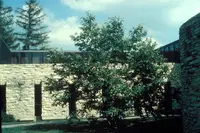
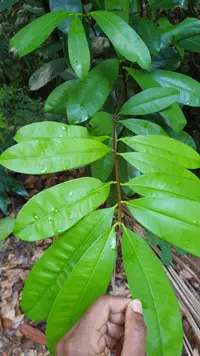
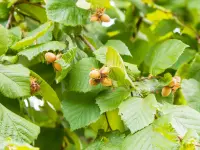
The Chinese chestnut, Castanea mollissima, is a deciduous nut tree valued for its edible chestnuts and broad, spreading crown. It develops serrated, glossy green leaves that turn yellow-brown in fall and produces spiny burrs that contain the nuts.
This species is native to China and East Asia but is widely grown in temperate regions as an orchard and landscape tree. It is generally considered easier to grow than many European and American chestnuts due to better resistance to chestnut blight.
It prefers full sun, moderately moist, well-drained, slightly acidic soil, and benefits from planting in a spot with good air movement. Gardeners who want to learn how to care for Chinese chestnut should start by providing adequate light and space for its mature size.

Care Difficulty
Moderate Care

Light Preference
Full Sun

Water Requirements
Regular Water

Temperature Preference
Cold Hardy

Hardiness Zone
4–8

Soil Texture
Sandy, Loamy, Clay

Soil pH
Strongly acidic (4.5–5.5), Acidic (5.5–6.5)

Soil Drainage
Moist but well-drained

Fertilization
Minimal (feed rarely)
Scan your plant to receive care tips personalized for your specific plant
Available on iOS and Android
This species performs best in full sun but tolerates some light shade, especially in hotter regions.
Castanea mollissima prefers evenly moist, well-drained soil, especially during establishment and nut development.
This tree is hardy and handles a wide temperature range but grows best in moderate climates.
Castanea mollissima handles a wide humidity range but grows best in moderately humid outdoor air.
Castanea mollissima prefers deep, loose, well-draining mineral soil with moderate organic matter.
This species can be grown in large containers for a limited time, mainly when young.
Castanea mollissima benefits from modest, well-timed feeding on reasonably fertile soils.
Pruning Castanea mollissima focuses on structural strength and removal of damaged wood.
Chinese chestnut is usually transplanted from nursery containers to a permanent outdoor site rather than grown long term in pots.
Castanea mollissima is most reliably propagated from seed for orchard and landscape use.
Mature Castanea mollissima trees are generally cold hardy in much of the US and need only minimal winter care.

Plant Health Check
Not sure what's wrong with your plant? Check your plant's health inside the app.
Chinese chestnut trees are monoecious, producing separate male catkins and much smaller female flowers on the same tree, which promotes heavy nut set when cross-pollinated with another compatible tree nearby.
Compared with the American chestnut, Castanea mollissima shows significantly higher tolerance to chestnut blight caused by the fungus Cryphonectria parasitica, which is why it has been widely used in breeding programs to restore chestnut populations.
The nuts are relatively low in oil but rich in complex carbohydrates and contain more vitamin C than most tree nuts when fresh, which has influenced their traditional use as a staple food rather than just a snack.

Castanea mollissima has been cultivated in China for more than 2,000 years, and some traditional chestnut orchards contain individual trees documented to be several centuries old, reflecting its long-standing role as a culturally and economically important food crop.
Leaf browning usually comes from drought stress, salt buildup, or leaf scorch from hot, dry wind. Check soil moisture, mulch the root zone, avoid heavy fertilization, and protect young trees from intense reflected heat or strong drying winds.
Keep your plants happy and healthy with plant identification, disease detection, and easy care guidance.