Elevated planting mound
Establish plants on a slight soil mound 3–5 cm high to keep the crown from sitting in standing water and to reduce crown-rot risk in wet seasons.


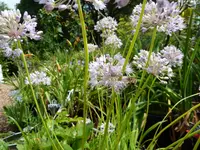
Fivefive Ministar is a perennial herb in the carrot family, botanically known as Alepidea peduncularis. It forms low clumps with upright stems and small, clustered flower heads. Native to grasslands and montane regions of southern Africa, it typically grows in open, well-drained habitats with regular moisture. The plant is valued more for its interesting structure and wildflower look than for showy blooms. It is moderately demanding in cultivation because it dislikes waterlogged soil and prolonged drought, and may resent frequent disturbance of its roots. Gardeners who learn how to care for Fivefive Ministar usually find it manageable in cool, mild climates with consistent moisture and good light.

Care Difficulty
Moderate Care

Light Preference
Partial Sun

Water Requirements
Moderate Water

Temperature Preference
Cool Climate

Hardiness Zone
8–10

Soil Texture
Loamy, Sandy, Organic-rich

Soil pH
Acidic (5.5–6.5), Slightly acidic (6.5–7.0)

Soil Drainage
Moist but well-drained

Fertilization
Minimal (feed rarely)
Scan your plant to receive care tips personalized for your specific plant
Available on iOS and Android
Alepidea peduncularis grows best in bright, cool conditions with protection from intense midday sun.
Alepidea peduncularis prefers consistently moist but not waterlogged soil.
This species prefers cool to mild conditions and dislikes temperature extremes.
This species prefers moderate, slightly moist air but adapts to many home conditions.
This species prefers a moderately fertile, well‑structured, free‑draining substrate.
This species can be grown successfully in containers when root depth and drainage are managed carefully.
This species stays compact and healthy with light feeding rather than heavy fertilization, similar to caring for Fivefive Ministar.
Pruning Alepidea peduncularis is light and focused on keeping the clump healthy rather than reshaping it.
This plant is more often grown in the ground, but container specimens or young plants benefit from careful, infrequent transplanting.
Propagation of Alepidea peduncularis is possible but moderate in difficulty, mainly through seed and careful division.
This species is generally cold hardy in temperate climates and needs only modest winter care once established.

Plant Health Check
Not sure what's wrong with your plant? Check your plant's health inside the app.
This species is native to high-elevation grasslands of southern Africa, where it grows in cool, open habitats often above 1,500 m and tolerates regular mist, wind, and strong ultraviolet radiation.
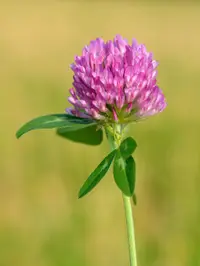
The plant produces small white flowers arranged in compound umbels, a characteristic inflorescence of the Apiaceae family, providing a broad landing platform that attracts a wide range of pollinating insects in its native range.
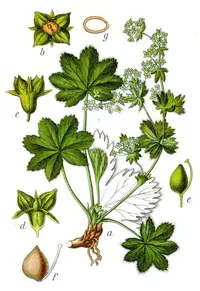
It forms a short, woody rhizome (a horizontal underground stem), which stores reserves and allows the plant to resprout after periods of environmental stress such as frost or grazing.
This species is perennial, returning from its root system each year if conditions stay favorable. In colder regions it may die back above ground in winter, then resprout when temperatures warm and soil moisture is adequate.
Keep your plants happy and healthy with plant identification, disease detection, and easy care guidance.