Green Chiretta Care (Andrographis paniculata)

Green Chiretta

About Green Chiretta

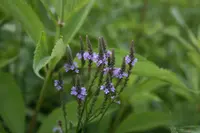
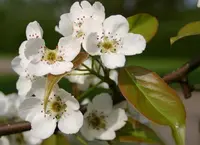
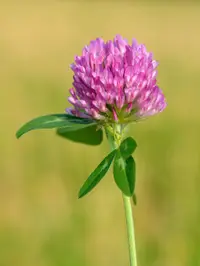
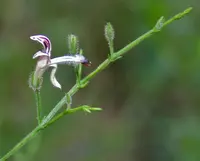
Green chiretta (Andrographis paniculata) is a fast-growing annual herb known for its very bitter taste and traditional medicinal use. It forms upright, branched stems with narrow, lance-shaped leaves and small white flowers marked with purple.

In the wild it grows in tropical and subtropical regions of South and Southeast Asia, often in open, sunny sites and disturbed ground. It is usually grown from seed and stays relatively compact, which makes it manageable in gardens and containers.

This plant prefers warm conditions, consistent moisture without waterlogging, and well-drained soil. Once you understand how to care for Green Chiretta, it is generally straightforward to maintain in suitable climates.

Main Plant Requirements

Care Difficulty

Moderate Care

Light Preference

Full Sun

Water Requirements

Moderate Water

Temperature Preference

Tropical / Frost Sensitive

Hardiness Zone

10–11

Soil Texture

Sandy, Loamy, Organic-rich

Soil pH

Acidic (5.5–6.5), Slightly acidic (6.5–7.0)

Soil Drainage

Moist but well-drained

Fertilization

Light (every 4–6 weeks)

Get Personalized Care Plan

Scan your plant to receive care tips personalized for your specific plant

Available on iOS and Android

How to Care for the Green Chiretta

Andrographis paniculata grows best in bright outdoor conditions with protection from harsh extremes.

  • Provide 4–6 hours of direct morning sun daily, with light shade or filtered light during the hottest afternoon hours.
  • Plant in a spot that receives partial shade in regions with very strong summer sun to reduce leaf scorch and wilting risk.
  • In cooler seasons, increase sun exposure by avoiding heavy shade; Green Chiretta in too little light becomes leggy with fewer leaves.

Andrographis paniculata prefers evenly moist, well-drained soil without prolonged drying or waterlogging.

  • Water when the top 3–5 cm of soil feels dry, allowing moisture to penetrate the root zone but not leave standing water.
  • Use soil with good drainage and some organic matter; soggy soil, yellowing leaves, or soft stems indicate overwatering and possible root problems.
  • In hot, dry weather, expect to water more often; in cool or rainy periods, extend intervals, watching for drooping leaves or dry, brittle stems as signs of underwatering.

This species is a warm-season herb that needs consistently mild to hot conditions for strong growth.

  • Aim for 70–90°F (21–32°C) for active growth; plants grow slowly below this range and may stall in cool spells.
  • Protect from temperatures below 50°F (10°C); light frost can damage foliage, and hard frost may kill the plant to the roots.
  • In hot climates, Andrographis paniculata tolerates up to about 95°F (35°C) if soil moisture is maintained and the roots are mulched to reduce heat stress.

This species tolerates a broad humidity range and rarely needs special humidity management in typical home conditions.

Andrographis paniculata prefers loose, well‑drained, moderately fertile soil that stays evenly moist but not waterlogged.

  • Use a loamy or sandy-loam base enriched with 20–30% mature compost for structure and nutrients.
  • Aim for slightly acidic to neutral pH around 6.0–7.0 to support nutrient availability and healthy root function.
  • Blend in coarse sand or perlite at 10–20% volume to improve aeration and reduce the risk of root rot.
  • Avoid heavy, compacted clay or mixes that stay soggy after 24 hours, as they restrict oxygen and promote disease.

This species is suitable for container growing when the pot is chosen to support its deep, fibrous roots and moisture needs.

  • Select a pot at least 25–30 cm deep so the taproot can extend without circling tightly near the base.
  • Choose a slightly wider pot than the rootball to balance top growth and moisture retention without prolonged sogginess.
  • Use a heavier or wider-based container outdoors to prevent tipping when stems become tall and leafy.

Andrographis paniculata benefits from light, balanced feeding to support leafy growth but does not need heavy fertilization.

  • Use a balanced liquid fertilizer (for example 10-10-10) diluted to 25–50% strength during active growth in spring and summer.
  • Apply every 4–6 weeks if soil is low in organic matter; in rich garden beds, compost alone is usually enough.
  • Incorporate a thin layer of well-rotted compost around the root zone once per growing season for Green Chiretta.
  • Stop feeding in late fall and winter, when growth slows or plants die back, to avoid weak, soft tissue.

Pruning Andrographis paniculata is mainly used to keep plants compact and encourage bushier growth.

  • Lightly trim shoot tips in late spring or early summer to encourage branching and a fuller habit.
  • Remove any dead, diseased, or storm-damaged stems as soon as noticed, cutting back to healthy tissue.
  • Thin crowded interior stems with clean, sharp scissors or hand pruners to improve air movement and reduce disease risk.
  • After flowering, shear back spent flower stalks to tidy the plant and direct energy into new vegetative growth.

This species is most often grown as an annual in beds, so transplanting seedlings at the right stage is more important than frequent repotting.

  • Move container-grown plants or seedlings outdoors after frost risk has passed and soil has warmed in spring.
  • Transplant when roots lightly hold the soil together but are not circling tightly; very potbound roots slow establishment.
  • Shift into a container 2–5 cm wider or into well-drained garden soil, handling the root ball gently to limit shock.
  • Water thoroughly after transplanting, shade for 2–3 days if sun is strong, and avoid heavy fertilization until new growth appears.

Andrographis paniculata is most commonly propagated from seed and can also be grown from soft stem cuttings under warm conditions.

  • Sow fresh seeds in late winter to spring in a well-drained seed mix at 70–80°F with bright, indirect light.
  • Barely cover seeds, keep the medium evenly moist but not waterlogged, and expect germination in roughly 1–3 weeks.
  • For cuttings, take 8–10 cm soft tips in late spring, remove lower leaves, and insert into moist, sterile rooting mix.
  • Provide high humidity and bottom warmth for cuttings, ventilating daily to limit fungal problems until roots develop.

This warm-season species is frost-sensitive and is usually treated as an annual in regions with cold winters.

  • In USDA zones with freezing winters, expect outdoor plants to die back after the first hard frost.
  • Mulch the soil lightly in fall if self-sown seedlings or roots may overwinter in mild climates, using 3–5 cm of organic material.
  • For container plants in cooler areas, move pots indoors before night temperatures drop below 50°F and give bright light.

Care Tips

Pinch For Bushiness

Pinch out the soft shoot tips when stems reach 10–15 cm to encourage denser branching and more leaf production instead of a tall, sparse plant.

Timed Harvest Rotation

Harvest no more than 1/3 of the foliage from each plant at a time and rotate plants weekly, which maintains plant vigor and ensures a steady supply of medicinal leaves.

Support In Windy Sites

In exposed beds, insert low bamboo sticks or soft ties around plants once they reach 20–25 cm tall to prevent wind rock that can damage the shallow root system.

Monitor For Leaf Miners

Check leaves weekly for narrow, winding trails; remove and discard affected leaves early to keep populations low without immediately resorting to broad-spectrum pesticides.

Plan For Replanting

Treat this species as a short-lived annual and schedule new sowings every 8–10 months so that caring for Green Chiretta remains consistent and leaf quality stays high across the year.

Common Pests and Diseases

Leaf spot

This disease causes small water-soaked or brown necrotic spots on leaves that may merge and lead to premature leaf drop, especially in warm, humid conditions.

Solution

Remove and discard heavily spotted leaves, avoid overhead watering, and increase spacing and airflow around plants; if the problem persists, use a copper-based or chlorothalonil fungicide labeled for herb crops, following all label restrictions for harvest and consumption.

Powdery mildew

This disease produces white, powdery fungal growth on upper leaf surfaces, leading to yellowing and reduced vigor in dense or shaded plantings.

Solution

Improve light and air circulation, avoid overcrowding, and remove the most affected leaves; in persistent cases, apply a potassium bicarbonate or sulfur-based fungicide suitable for edible or medicinal herbs, and keep foliage dry during irrigation.

Aphids

These insects cluster on young stems and leaf undersides, sucking sap and causing curled, distorted growth and sticky honeydew that can attract sooty mold.

Solution

Spray plants with a strong stream of water to dislodge colonies, prune heavily infested shoot tips, and use insecticidal soap or neem oil thoroughly on leaf undersides, repeating every 5–7 days until populations collapse while monitoring nearby weeds as a possible source.

Whiteflies

These insects appear as tiny white moth-like adults that fly up when disturbed, while their nymphs feed on sap, weakening plants and causing yellowing leaves and honeydew deposits.

Solution

Use yellow sticky traps to monitor and reduce adult numbers, regularly shake plants to detect infestations, and treat the undersides of leaves with insecticidal soap or neem oil; for outdoor beds, encourage natural enemies such as lady beetles and lacewings by minimizing broad-spectrum insecticides.

Root-knot nematodes

These microscopic worms invade roots, forming galls or swellings that interfere with water and nutrient uptake, leading to stunted, yellow plants in infested beds.

Solution

Pull and destroy severely affected plants, avoid replanting in the same soil, and rotate with non-host or resistant cover crops; in small gardens, solarize the soil during the hottest months by covering moist beds with clear plastic for 4–6 weeks to reduce nematode levels before growing Green Chiretta again.

Interesting Facts

Exceptionally bitter compounds

This species contains diterpene lactones such as andrographolide that give its tissues an extremely bitter taste, which helps deter many herbivores from feeding on it.

Tropical monsoon adaptation

In its native South and Southeast Asian range, this plant often completes most of its growth and reproduction during warm, wet monsoon months, then declines as conditions become drier or cooler.

Widespread traditional use

The plant has a long history of documented use in traditional medicine systems such as Ayurveda, Siddha, traditional Chinese medicine, and Thai medicine, where it is typically used in small, carefully prepared doses.

Botan icon

Did you know?

The World Health Organization has listed this species in its monographs on selected medicinal plants, which means its identity, quality standards, and some of its pharmacological and safety data have been formally reviewed at an international level.

FAQs about Green Chiretta

This species grows relatively quickly in warm weather, often reaching near-mature size within one season from seed. In cooler conditions growth slows. Consistent moisture, warmth, and good nutrition support faster development without excessive legginess or weakness.

Grow Healthy Plants with Botan Care

Keep your plants happy and healthy with plant identification, disease detection, and easy care guidance.

Botan plant care app — identify plants on mobile

Explore More Plants