Alchemilla fissa Care

Alchemilla fissa

About Alchemilla fissa

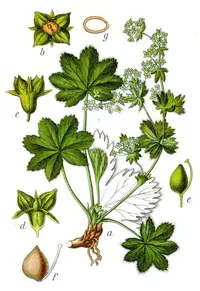
Alchemilla fissa is a clumping perennial herb in the rose family, related to the better-known lady’s mantle. It forms low mounds of soft, lobed leaves with gently toothed edges that can catch and hold water droplets. In late spring to summer it produces airy sprays of small greenish-yellow flowers above the foliage. The species is native to mountainous regions of Europe, where it grows in cool, moist meadows and open slopes. It tends to be undemanding if given reasonably moist soil and protection from intense heat. For gardeners wondering how to care for Alchemilla fissa, its tolerance of cool temperatures and moderate shade usually makes it straightforward in temperate climates.

Main Plant Requirements

Care Difficulty

Easy Care

Light Preference

Partial Shade

Water Requirements

Moderate Water

Temperature Preference

Cold Hardy

Hardiness Zone

4–7

Soil Texture

Loamy, Silty, Organic-rich

Soil pH

Acidic (5.5–6.5), Slightly acidic (6.5–7.0)

Soil Drainage

Moist but well-drained

Fertilization

Minimal (feed rarely)

Get Personalized Care Plan

Scan your plant to receive care tips personalized for your specific plant

Available on iOS and Android

How to Care for the Alchemilla fissa

This perennial prefers cool, soft light rather than intense sun exposure.

  • Provide 4–6 hours of morning sun with light afternoon shade; east- or north-facing beds suit Alchemilla fissa well in most temperate gardens.
  • In hot summers, protect from strong midday sun with dappled shade to prevent leaf scorch and dry, pale foliage.
  • In cooler climates, allow more direct sun in spring and fall, then increase shade as days lengthen and temperatures rise.

This plant prefers steadily moist but not saturated soil during the growing season.

  • Water when the top 2–3 cm of soil feel dry, aiming for consistently damp soil around the root zone, especially in late spring and early summer.
  • Use soil with good drainage; amend heavy clay with compost or grit to reduce waterlogging and root rot risk.
  • In hot, dry weather, increase checks for wilting or drooping leaves, while in cool, wet periods reduce watering to avoid soggy conditions.

This hardy perennial tolerates a wide range of outdoor temperatures when planted in the ground.

  • Optimal growth occurs around 55–75°F (13–24°C), with strongest foliage during mild spring and early summer conditions.
  • Mature plants withstand cold down to about -20°F (-29°C) with mulch, entering dormancy and resprouting as soil warms.
  • Heat tolerance is moderate; during stretches above 85°F (29°C), provide more shade and consistent soil moisture to limit stress and leaf scorch.

This species tolerates typical outdoor humidity and does not require special humidity management.

Alchemilla fissa prefers cool, moist, well-drained ground with a moderately fertile, crumbly structure.

  • Use a loamy soil with high organic matter, such as garden loam mixed with compost, to support even moisture without waterlogging.
  • Ensure drainage is reliable by avoiding compacted or heavy clay; incorporate coarse sand or fine grit at 20–30% volume where drainage is slow.
  • Aim for slightly acidic to neutral pH around 6.0–7.0, as strongly alkaline or saline conditions reduce nutrient availability and foliage quality.
  • Improve aeration by working in well-rotted leaf mold or composted bark, and avoid sites where water stands after rain.

This species can be grown successfully in containers outdoors when moisture and drainage are controlled carefully.

  • Choose a wide, moderately deep pot to give spreading roots room while keeping the shallow root system evenly moist across the surface area.
  • Select a sturdy, frost-resistant container material that insulates roots from rapid temperature swings and slows moisture loss in sunny positions.
  • Raise the pot on feet or bricks so drainage holes stay clear and excess water can run off freely after heavy rain or irrigation.

This plant grows well in average soil and only needs light feeding to maintain steady growth.

  • Apply a balanced, slow-release fertilizer (around 10-10-10) once in early spring as new growth starts.
  • In richer garden soil, supplement instead with a thin layer of compost around the clumps each spring.
  • During the growing season, avoid more than 1–2 light feedings to prevent lush, floppy foliage.
  • Stop feeding Alchemilla fissa in late summer and do not fertilize during winter dormancy.

Thoughtful pruning keeps Alchemilla fissa dense, tidy, and encourages fresh foliage.

  • In late spring to early summer, remove spent flower stalks at the base to keep plants compact.
  • Trim back tattered or yellowing leaves with clean hand pruners to reduce disease risk.
  • Shear back the whole clump lightly after flowering to stimulate a flush of new foliage.
  • Cut out dead or damaged growth at any time, shaping the mound without cutting into the crown.

This species is usually grown in garden beds, so focus on careful transplanting rather than frequent repotting.

  • Transplant in early spring or early autumn when temperatures are mild and soil is workable.
  • Move clumps when the center becomes woody, growth declines, or plants crowd neighboring perennials.
  • Lift the root mass with a spade, keep as much soil as possible, and replant at the same depth.
  • Water thoroughly after transplanting and shade temporarily to limit transplant shock and root stress.

Alchemilla fissa is most commonly propagated by division, with seeds as a secondary option.

  • Divide mature clumps in early spring or early autumn when soil is moist but not saturated.
  • Lift the plant, then split the root mass into smaller sections, each with several buds and roots.
  • Replant divisions immediately at the original depth and water well to settle soil around roots.
  • Sow fresh seed on the soil surface in cool conditions, as light and consistent moisture support germination.

This hardy perennial generally needs minimal winter care in most temperate gardens.

  • Alchemilla fissa tolerates frost once established, so foliage dieback is usually cosmetic only.
  • After hard frost, cut back dead leaves to reduce overwintering pests and diseases.
  • Apply a 3–5 cm layer of organic mulch around, not on, the crown to buffer freeze–thaw cycles.
  • In cold regions, move container-grown plants into a sheltered, unheated but frost-moderated spot.

Care Tips

Edge protection

Place a low, unobtrusive border or stones around the clump to keep the delicate scalloped foliage from being damaged by foot traffic or lawn equipment, especially along paths or lawn edges.

Self-seeding management

Deadhead most spent flower stems before seed sets, but leave a few inflorescences to ripen if controlled self-seeding is desired to thicken the planting without overwhelming nearby plants.

Rain capture display

Site plants where they receive overhead irrigation or natural rain rather than only drip irrigation so the leaves can trap water droplets, which also helps visually monitor leaf health while growing Alchemilla fissa.

Mulch collar spacing

Apply a thin organic mulch layer around plants but keep a 3–5 cm clear collar around the crown to prevent rot in cool, wet periods and to make division of mature clumps easier.

Division timing strategy

Divide mature clumps every 3–5 years in early spring or early fall, replanting only vigorous outer sections and discarding woody or congested centers to maintain dense, floriferous growth.

Common Pests and Diseases

Powdery mildew

This disease appears as a white to gray, powdery coating on the upper leaf surface, often in warm days with cool, damp nights. Symptoms include distorted leaves and reduced vigor, especially in crowded plantings.

Solution

Improve air circulation by thinning surrounding plants and avoid overhead watering late in the day; water at soil level instead. Remove and discard heavily infected leaves, and if needed apply a sulfur or potassium bicarbonate fungicide labeled for ornamental perennials, following label directions closely.

Leaf spot

This disease causes small, irregular brown to purple spots on leaves that may merge into larger blotches, starting on older foliage. Symptoms include premature yellowing and shedding of affected leaves, which weakens the clump over time.

Solution

Remove and discard spotted leaves promptly and avoid splashing water onto foliage by using soaker hoses or careful hand watering. In beds with recurring issues, space plants more generously, clear plant debris in autumn, and consider using a broad-spectrum ornamental fungicide early in the season if conditions are consistently wet.

Aphids

These insects cluster on young shoots and flower stems, sucking sap and causing curled, sticky leaves and distorted growth. This pest also excretes honeydew, which can lead to black sooty mold on the foliage.

Solution

Wash colonies off with a firm stream of water, repeating every few days until numbers drop, and encourage natural predators such as lady beetles by minimizing broad-spectrum insecticide use nearby. For persistent infestations, use insecticidal soap or a light horticultural oil, coating both upper and lower leaf surfaces in cool, dry conditions.

Slugs and snails

These pests chew irregular holes in leaves, often leaving only the leaf veins and producing slime trails on or around the plant. Damage is usually worst on young foliage and in shady, moist positions.

Solution

Hand-pick slugs and snails in the evening or early morning and reduce hiding places by removing dense mulch or debris close to crowns. Use iron phosphate slug pellets or beer traps placed around, not inside, the clumps to reduce populations while limiting risk to pets and wildlife.

Vine weevils

These insects cause notched feeding along leaf edges, while their larvae feed on roots and crowns, leading to wilting and decline despite adequate moisture. Symptoms include plants that collapse or fail to regrow well in spring, especially in container-grown specimens.

Solution

Inspect foliage at night and physically remove adult beetles, and discard severely affected container plants along with the potting mix. For high-value clumps, consider using entomopathogenic nematodes (beneficial microscopic worms) drenched into the soil in late summer or early autumn to target larvae around the roots as part of comprehensive Alchemilla fissa care instructions.

Interesting Facts

Deeply split foliage

This species is notable among lady’s mantles for its strongly divided, fan-shaped leaves, which are more deeply lobed than those of common Alchemilla species and help distinguish it in the field.

Alpine stream specialist

Alchemilla fissa typically occurs along mountain streams and moist alpine meadows in parts of Europe, reflecting an adaptation to cool, consistently moist but well-drained habitats.

Dew-collecting leaf surface

Its softly hairy leaves trap water droplets from dew and light rain, creating the characteristic beading effect that has drawn attention to growing Alchemilla fissa in rock gardens and naturalistic plantings.

FAQs about Alchemilla fissa

This species forms clumps that slowly widen over time but is not considered aggressive. It spreads mainly by short rhizomes and self-seeding, so unwanted seedlings can be controlled easily by deadheading and light hand-weeding.

Grow Healthy Plants with Botan Care

Keep your plants happy and healthy with plant identification, disease detection, and easy care guidance.

Botan plant care app — identify plants on mobile

Explore More Plants