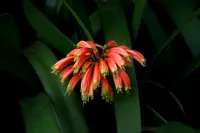
giant speargrass Care (Aciphylla colensoi)

giant speargrass

About giant speargrass

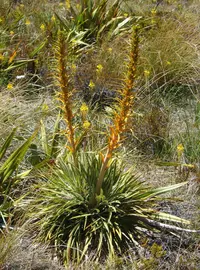
Giant speargrass (Aciphylla colensoi) is a hardy, clump-forming perennial from alpine and subalpine regions of New Zealand. It forms dense rosettes of long, rigid, sharply pointed leaves that create a striking architectural look.

In summer it can produce tall, branched flower spikes that rise well above the foliage and attract insects. The plant is adapted to harsh, windy, and exposed habitats, which makes it tough but slow-growing in gardens.

Its strong taproot and preference for cool conditions, free drainage, and low humidity can make it challenging outside similar climates. Understanding how to care for giant speargrass helps prevent losses from excess moisture or heat stress.


Main Plant Requirements

Care Difficulty

Hard Care

Light Preference

Full Sun

Water Requirements

Low Water

Temperature Preference

Cold Hardy

Hardiness Zone

6–8

Soil Texture

Sandy, Loamy, Rocky

Soil pH

Slightly acidic (6.5–7.0), Neutral (7.0)

Soil Drainage

Well-drained

Fertilization

Minimal (feed rarely)

Get Personalized Care Plan

Scan your plant to receive care tips personalized for your specific plant

Available on iOS and Android

How to Care for the giant speargrass

Aciphylla colensoi thrives in bright, open conditions that mimic its native alpine grasslands.

  • Provide full sun for 6–8 hours daily; light, shifting cloud cover is acceptable and does not harm growth.
  • Allow light partial shade in the hottest afternoon hours, especially in lowland gardens, to reduce leaf scorch and moisture stress.
  • Avoid deep shade, which causes weak, elongated growth and reduced vigor; in winter, ensure an open southern or western exposure for maximum low-angle light.

This species prefers evenly moist but free-draining soil and does not tolerate prolonged saturation.

  • Water only when the top 3–5 cm of soil feels dry, then soak deeply so moisture reaches the full root zone.
  • Use sharply drained, gritty soil or rocky ground so water moves through quickly, reducing root rot risk in Aciphylla colensoi.
  • In cooler months, watering needs drop; watch for yellowing, soft foliage as a sign of overwatering, and crisp, browning leaf tips as a sign of drought stress.

This alpine plant handles cold better than heat, provided soil drainage is excellent.

  • Optimal growth occurs around 50–68°F (10–20°C), with cool nights encouraging compact, sturdy foliage.
  • Mature plants tolerate drops to about 5–14°F (-15 to -10°C) if soil is well drained and roots are not waterlogged during freezes.
  • Prolonged heat above 86°F (30°C) can cause stress; provide airflow, mulch to moderate root temperature, and avoid reflected heat from walls or paving.

Humidity is not a major factor for Aciphylla colensoi, which thrives in dry, exposed conditions.

Aciphylla colensoi prefers sharply drained, mineral-rich soil that mimics alpine scree or rocky slopes.

  • Use a sandy or gravelly mix with low organic matter, such as 50–60% coarse sand or grit blended with 40–50% loam.
  • Ensure very rapid drainage; water should pass through in seconds, not pool on the surface or in the saucer.
  • Keep pH slightly acidic to neutral, around 6.0–7.0, avoiding strongly acidic or limy extremes.
  • Avoid heavy clay, fine peat-based mixes, or compacted ground that can trap moisture around the taproot.

This species can be grown in containers if the pot closely replicates dry, rocky conditions.

  • Choose a tall, heavy pot to accommodate the deep taproot and prevent the spiky foliage from toppling the container in wind.
  • Fill the pot with a very gritty, low-organic mix and raise it on feet so drainage holes never sit in runoff.
  • Position the container in a full-sun, exposed spot where rain and airflow keep the substrate fast-drying rather than humid.

This alpine species needs only light feeding in poor soils; in naturally fertile ground, extra fertilizer is usually unnecessary for healthy growth.

  • Use a low-dose, balanced NPK fertilizer or a thin layer of mature compost in early spring if growth appears weak or soil is very lean.
  • Apply at half the label strength to avoid forcing lush, soft growth that can reduce hardiness in giant speargrass.
  • Feed once in spring and, if needed, once in early summer; avoid more frequent applications.
  • Stop feeding in late summer so new growth hardens before winter, and do not fertilize during winter dormancy.

Pruning needs for Aciphylla colensoi are minimal and focus mainly on hygiene rather than reshaping the plant.

  • Carry out light cleanup in late winter or early spring before new growth starts.
  • Remove dead, damaged, or dried flower stems at the base using clean, sharp hand pruners or scissors.
  • Avoid cutting into healthy rosettes, as this can distort the natural form and weaken the plant.
  • Wear gloves and long sleeves to handle the stiff, spiny foliage safely during any pruning work.

This species is best grown in the ground, and transplanting should be done carefully, as mature plants dislike root disturbance.

  • Look for slowed growth, roots circling a container, or the plant becoming unstable as signs that a potted specimen needs a larger space.
  • Transplant in early spring or early autumn, choosing a sunny, free-draining site that mimics its natural alpine habitat.
  • Move plants infrequently, ideally only once from pot to final outdoor position to reduce root stress and setbacks.
  • Lift with a generous soil root ball, handle roots gently, water in once, then keep soil lightly moist but never waterlogged while the plant re-establishes.

Seed is the primary method for increasing Aciphylla colensoi, and it requires patience and cool conditions.

  • Sow fresh seed in late summer to autumn in a gritty, free-draining mix, using trays or small pots.
  • Expose seeds to natural winter chilling outdoors or use cold stratification in a refrigerator for 6–8 weeks to improve germination.
  • Keep the medium just moist and in bright, indirect light; germination may be slow and uneven over several months.
  • Transplant seedlings only when well rooted, handling them gently to avoid damaging the developing taproot.

This alpine plant is cold hardy in suitable climates and usually needs only modest winter care in the garden.

  • Tolerates frost and snow when grown in sharply drained soil; standing winter water is more harmful than low temperatures.
  • Apply a thin gravel or coarse sand mulch around the crown to keep the base dry and limit freeze–thaw heaving.
  • In very wet or marginally cold areas, grow in containers and move pots to a cold, sheltered, unheated spot for winter.
  • Avoid heavy organic mulches directly against the crown, as these can hold moisture and increase rot risk in winter.

Care Tips

Wind exposure management

Site plants where they receive strong, free air movement but are protected from persistent, abrasive wind tunnels that can shred the foliage, using low boulders or other hardy plants as wind breaks rather than solid fences that create turbulence at ground level.

Rock mulching technique

Apply a 3–5 cm layer of coarse gravel or small rocks around the crown instead of organic mulch to keep the collar dry, mimic the plant’s alpine habitat, and reduce crown rot risk during wet seasons.

Sharp foliage handling

Use thick gloves, long sleeves, and eye protection when planting, weeding, or dividing, and place the plant away from narrow paths or play areas to avoid accidental injury from the rigid, spiny leaves.

Snow and ice management

In cold regions, leave light, natural snow cover as insulation but gently brush off heavy, wet snow or ice buildup from the foliage with a soft broom to prevent mechanical damage to the stiff leaf bases.

Alpine companion planting

Combine with other drought-tolerant alpine or rock garden species that prefer lean, free-draining soils so irrigation and soil management can be kept consistent, which simplifies caring for giant speargrass in mixed plantings.

Common Pests and Diseases

Grass grub

This pest lives in the soil and feeds on roots, leading to slow growth, poor anchoring, and yellowing or collapse of foliage in clumps. Symptoms include plants that pull up easily and presence of white C-shaped larvae in the root zone.

Solution

Lift a small section of soil around declining clumps and hand-remove larvae, then re-firm soil. In garden settings, encourage predators such as birds, avoid over-irrigation that favors larvae survival, and, if damage is severe, use a targeted soil-applied biological control based on beneficial nematodes, following label directions carefully.

Twig and crown rot

This disease affects the crown and lower stems, often after periods of prolonged wetness or poor drainage, causing collapse of the plant from the base. Symptoms include browning, softening tissue at the crown, and sudden dieback of entire rosettes.

Solution

Remove and dispose of affected crowns promptly and improve drainage with coarse, well-drained substrate or raised planting areas. Avoid overhead watering, reduce irrigation during cool, wet periods, and maintain good spacing so air can dry foliage and the crown quickly.

Fungal leaf spot

This disease appears on older leaves as small brown or dark olive spots that may merge into larger patches, sometimes with a yellow halo. Symptoms include premature browning and dieback of individual leaf segments, especially in crowded or humid plantings.

Solution

Prune and discard affected leaves to reduce spore load, cutting back to healthy tissue. Improve air circulation, avoid wetting the foliage when watering, and if the plant is grown in a collection or display with recurring issues, apply a suitable ornamental grass-safe fungicide according to local regulations and label guidance.

Scale insects

These insects attach to leaf bases and stems, sucking sap and causing local yellowing, weakened growth, and sticky honeydew that may support sooty mold. This pest is usually found in sheltered parts of clumps, especially on stressed or container-grown plants.

Solution

Inspect the bases of leaves and stems regularly and remove small infestations by gently scraping or wiping with a cloth dipped in diluted insecticidal soap or horticultural oil. For heavier infestations, treat the whole clump with a labeled oil or soap spray, repeating as needed, and reduce plant stress through correct light, drainage, and nutrition as part of Aciphylla colensoi care.

Interesting Facts

Harsh alpine specialist

This New Zealand endemic grows naturally on exposed subalpine and alpine slopes, tolerating strong winds, poor rocky soils, and frequent frosts where many other plants cannot survive.

Strongly divided foliage

Its leaves are divided into many long, rigid, spiny segments that reduce water loss and deter grazing animals, an adaptation that suits dry, high-altitude habitats.

Insect-pollinated flower spikes

Despite its harsh habitat, it produces tall yellowish flowering spikes that attract a range of alpine insects, playing a role in supporting pollinator communities in New Zealand’s high country.

Botan icon

Did you know?

Some populations are considered nationally at risk in New Zealand because of habitat modification and grazing pressure, so conservation management in certain areas now includes limiting browsing animals and protecting its remaining alpine habitats.

FAQs about giant speargrass

This species is evergreen in mild, well-drained sites, holding its stiff foliage year-round. In colder climates, outer leaves may scorch or die back in winter, but the central crown usually remains alive and resumes growth in spring.

Grow Healthy Plants with Botan Care

Keep your plants happy and healthy with plant identification, disease detection, and easy care guidance.

Botan plant care app — identify plants on mobile

Explore More Plants