Shelter From Wind
Plant in a position with some protection from strong, drying winds or use low windbreaks, as constant buffeting quickly desiccates the fine foliage and can snap flowering stems.

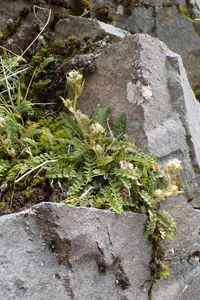
Kopoti, Anisotome aromatica, is a perennial herb from New Zealand’s subalpine and coastal regions, where it grows in open, often windy sites. It usually forms low, tufted clumps of finely divided, fern-like foliage with upright flower stems.
The plant produces clusters of small, white to pale pink flowers that attract pollinators and give it a light, airy look. Its cool-climate origin means it prefers mild temperatures and good air movement.
Anisotome aromatica can be moderately challenging outside suitable climates, mainly due to its need for free-draining soil and dislike of sustained heat and humidity. Gardeners who understand how to care for Kopoti often find it long-lived and dependable.

Care Difficulty
Moderate Care

Light Preference
Partial Sun

Water Requirements
Moderate Water

Temperature Preference
Cool Climate

Hardiness Zone
7–9

Soil Texture
Loamy, Sandy, Organic-rich

Soil pH
Acidic (5.5–6.5), Slightly acidic (6.5–7.0)

Soil Drainage
Moist but well-drained

Fertilization
Minimal (feed rarely)
Scan your plant to receive care tips personalized for your specific plant
Available on iOS and Android
Anisotome aromatica prefers bright, cool conditions similar to its native montane habitats.
This species prefers consistently moist but not waterlogged soil in cool, free-draining conditions.
This cool-climate perennial grows best in mild, stable temperatures without extremes.
Anisotome aromatica prefers cool, moderately humid air but usually adapts to typical indoor humidity.
This species prefers cool, moist but free-draining soil that mimics a light, mountain-meadow texture.
This species is suitable for container growing, especially in cooler climates or where drainage outdoors is unreliable.
Anisotome aromatica is a light feeder and benefits from modest, balanced nutrition during active growth.
Anisotome aromatica needs only light pruning to maintain a tidy, healthy clump.
Garden-grown Anisotome aromatica is usually transplanted rather than repotted, and it dislikes frequent disturbance.
Propagation of Anisotome aromatica is usually done from seed and requires patience and cool, moist conditions.
Anisotome aromatica is fairly cold hardy but benefits from basic winter protection in colder regions.

Plant Health Check
Not sure what's wrong with your plant? Check your plant's health inside the app.
This species is naturally restricted to montane and subalpine zones of New Zealand, where it grows in open grasslands and herbfields alongside tussocks and low shrubs.
Crushed leaves release a noticeable scent, which reflects the high content of aromatic compounds typical for the Apiaceae family and likely helps deter some herbivores.
The plant forms rosettes of finely divided, fern-like leaves that help reduce wind resistance and water loss in exposed, high-elevation habitats.
This species produces umbels of nectar-rich flowers that appeal strongly to bees and many small flies, and occasionally butterflies. It supports local pollinator activity, especially in mixed native plantings, without usually becoming dominant or weedy.
Keep your plants happy and healthy with plant identification, disease detection, and easy care guidance.