Allium moschatum Care

Allium moschatum

About Allium moschatum

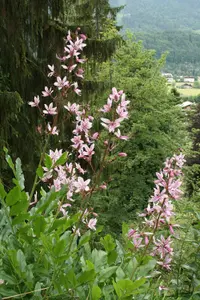
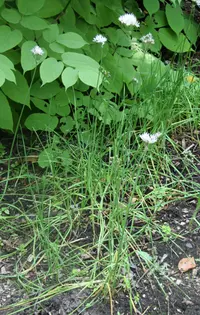
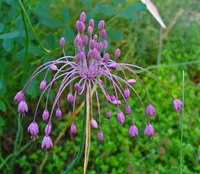
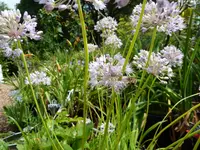
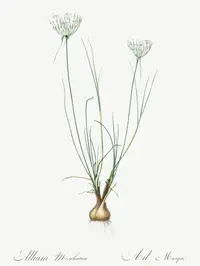
Allium moschatum is a small, bulb-forming perennial in the onion family, known for its fine, grass-like leaves and delicate star-shaped flowers. The blooms are usually pale pink to whitish and appear in loose clusters on slender stems.

This species occurs naturally in parts of southern and central Europe, often in dry, rocky, or grassy habitats. It tends to stay compact and low, which makes it suitable for rock gardens, sunny borders, and naturalistic plantings.

Gardeners who want to care for Allium moschatum should note that it prefers full sun, well-drained soil, and relatively dry conditions during dormancy. Once established, it is generally undemanding and copes well with lean soils.

Main Plant Requirements

Care Difficulty

Easy Care

Light Preference

Full Sun

Water Requirements

Low Water

Temperature Preference

Cold Hardy

Hardiness Zone

5–9

Soil Texture

Sandy, Loamy, Rocky

Soil pH

Slightly acidic (6.5–7.0), Neutral (7.0)

Soil Drainage

Well-drained

Fertilization

Minimal (feed rarely)

Get Personalized Care Plan

Scan your plant to receive care tips personalized for your specific plant

Available on iOS and Android

How to Care for the Allium moschatum

This small bulb prefers bright, open conditions similar to a sunny rock garden or meadow edge.

  • Provide 6–8 hours of direct sun daily; light morning sun plus some afternoon sun is ideal in mild climates.
  • Tolerates light partial shade, especially with 3–4 hours of direct morning sun, but flowering of Allium moschatum decreases in heavier shade.
  • In hot summers, protect from intense late-afternoon sun to reduce leaf scorch; choose a site with slight afternoon shade or very free-draining, gritty soil.

This bulb prefers to dry between waterings and is sensitive to prolonged soil moisture.

  • Allow the top 3–5 cm of soil to dry before watering during active growth, then water thoroughly so moisture reaches the root zone.
  • Use sharply drained, sandy or gritty soil; standing water or slow-draining clay greatly increases bulb rot risk for Allium moschatum.
  • Reduce watering once foliage begins to yellow and die back; keep soil almost dry during dormancy, only moistening if bulbs show shriveling.

This species handles a range of outdoor conditions but performs best in temperate climates.

  • Active growth is strongest in cool to mild weather around 55–70°F (13–21°C), with flowers forming best under these conditions.
  • Dormant bulbs tolerate winter cold to about 0°F (−18°C) in well-drained soil; mulching helps buffer repeated freeze–thaw cycles.
  • Established plants cope with short heat spells up to about 90°F (32°C) if soil stays draining and nights cool; extended hot, humid periods can stress plants and shorten flowering.

This bulb tolerates typical home humidity and rarely needs special adjustments.

  • Aim for 30–50% humidity, which is common in most heated or air-conditioned homes.
  • Dry indoor air is usually tolerated, but prolonged very dry air plus heat can speed leaf browning after flowering.
  • If foliage shows crispy tips while soil moisture is correct, modestly raise humidity using a nearby open tray of water, not by misting the leaves.

Allium moschatum prefers a light, fast-draining mineral substrate that prevents bulbs from sitting in moisture.

  • Use sandy or gritty loam with 30–50% coarse sand or fine gravel to keep the structure open and well aerated around the bulbs.
  • Ensure sharp drainage; excess water must run through quickly to avoid bulb rot, especially in cool conditions.
  • Aim for slightly alkaline to neutral pH around 7.0–7.5, which suits most garden alliums and supports firm bulb and root development.
  • In heavy or clay soils, amend generously with grit and a small amount of compost to improve drainage while avoiding dense, water-retentive organic mixes.

This species is suitable for container growing when given a free-draining, relatively deep pot.

  • Choose a pot at least 20–25 cm deep so bulbs can sit with 2–3 bulb-heights of mix above them and still have root space below.
  • Use a heavy or clay pot if exposed to wind, as the tall flower stalks can make the container top-heavy outdoors.
  • Elevate the pot on feet or bricks so drainage holes do not sit flat on the patio, allowing rapid escape of excess water after rain or watering.

This small bulbous species needs only light, targeted feeding to maintain healthy growth.

  • Use a balanced, low-strength liquid fertilizer (around 10-10-10) at 1/2 dilution for Allium moschatum during active growth.
  • Feed every 4–6 weeks in spring and early summer, when foliage is green and photosynthesizing well.
  • Stop fertilizing once leaves begin to yellow and the plant enters dormancy to avoid forcing weak growth.
  • In poor soils, incorporate a thin layer of well-rotted compost above the bulbs in early spring instead of heavier feeding.

Pruning needs are minimal and mainly focus on tidiness and bulb health.

  • Cut spent flower stalks at the base after flowering to prevent unwanted self-seeding and direct energy back to the bulbs of Allium moschatum.
  • Remove yellowing or diseased leaves at soil level using clean, sharp scissors or hand pruners.
  • Carry out most pruning in late spring to early summer, once blooms fade but foliage is still present.
  • Avoid cutting healthy green leaves too early, as this reduces photosynthesis and can weaken next year’s flowering.

This bulb is usually grown in the ground, with transplanting focused on clump management rather than frequent moves.

  • Lift and transplant bulbs in late summer to early autumn, after foliage has fully died back and dormancy has begun.
  • Look for overcrowded clumps, reduced flowering, or bulbs pushing to the soil surface as signs that Allium moschatum needs dividing.
  • Transplant every 3–5 years, replanting bulbs at roughly 2–3 times their height in well-drained soil.
  • Handle bulbs gently, keep roots shaded and slightly moist, and replant promptly to reduce transplant shock.

This species is most commonly propagated by division of mature bulbs, with seed used for slower increase.

  • Divide clumps in late summer to early autumn, when the plant is dormant and foliage has withered completely.
  • Lift the clump, gently separate offsets from the main bulbs of Allium moschatum, and discard any soft or damaged parts.
  • Replant offsets at the same depth and spacing as established bulbs, in a sharply drained, sunny site.
  • For seed propagation, sow fresh seed in trays outdoors in fall, allowing natural cold stratification to aid germination.

This hardy bulb generally needs little winter attention in temperate climates.

  • Allium moschatum tolerates typical garden frosts when planted in well-drained soil that does not stay waterlogged.
  • Apply a light mulch layer (leaf mold or compost) in late fall to buffer freeze-thaw cycles around the bulbs.
  • In containers, move pots to a sheltered, unheated spot to prevent repeated freezing of the root zone and cracking of the container.

Care Tips

Bulb clump division

Lift and divide congested bulb clumps every 3–4 years in late summer after foliage has fully yellowed to maintain flowering performance and prevent overcrowding.

Seed-head management

If self-seeding is not desired, remove spent flower heads as they dry, but leave the foliage intact until it dies back naturally so the bulbs can recharge.

Targeted gravel mulch

Apply a 1–2 cm layer of coarse grit or small gravel directly over the bulb zone to improve surface drainage, reduce soil splash on foliage, and discourage rot in wet seasons.

Low-input pest control

Inspect foliage and flower stems weekly in spring for thrips or onion fly damage and remove affected material promptly, using insecticidal soap only if monitoring shows active pests spreading.

Marking dormant sites

Place discreet markers where bulbs are planted before foliage disappears, so later digging, replanting, or companion planting does not accidentally damage the bulbs while caring for Allium moschatum.

Common Pests and Diseases

onion fly

This pest lays eggs at the base of the bulbs, and the emerging larvae tunnel into the bulbs and leaf bases, causing yellowing and collapse of foliage.

Solution

Use fine insect netting over the planting area from early spring to prevent egg‑laying, practice crop rotation, promptly remove and destroy affected plants and bulbs, and, if pressure is high, apply a soil drench or band of a labeled spinosad or pyrethrin product around the rows according to instructions.

allium leaf miner

This pest creates rows of punctures on leaves where adults feed and lay eggs, and the larvae mine inside the leaves and into the bulbs, leading to distorted growth and premature plant decline.

Solution

Cover plants with insect‑proof mesh before the adult flight period, remove and destroy infested foliage and bulbs, and avoid leaving allium debris in the soil; in high‑risk areas, time sowing or planting to avoid peak flights and consider targeted applications of a systemic insecticide where legally allowed and labeled for alliums.

downy mildew

This disease causes pale, yellowish patches on leaves that later develop grey‑violet, fuzzy growth, often leading to leaf wilting and collapse in cool, humid weather.

Solution

Increase spacing and airflow, water at soil level in the morning, remove and dispose of infected leaves, and rotate planting sites; in persistent cases, use a copper‑based or phosphonate fungicide labeled for alliums, applied preventively in damp periods as part of broader Allium moschatum care instructions.

botrytis leaf blight

This disease produces small, water‑soaked lesions on leaves that enlarge into tan to brown spots, sometimes with concentric rings, eventually killing the foliage from the tips downward.

Solution

Avoid overhead watering, keep foliage dry during cool, damp periods, and promptly remove and discard infected leaves; in beds with recurring problems, improve drainage, reduce nitrogen overfertilization, and apply a registered botrytis fungicide as a protective spray when wet weather is forecast.

basal plate rot

Symptoms include yellowing and dieback of leaves starting at the tips, with bulbs showing soft, brown decay beginning at the basal plate where roots emerge.

Solution

Plant in well‑drained soil, avoid overwatering, and never use damaged or soft bulbs; remove and destroy affected plants, practice multi‑year rotation away from alliums, and if growing in containers, replace the potting mix and disinfect pots before replanting with healthy bulbs.

Interesting Facts

Musk-like floral scent

The flowers of this species have a faint musk-like fragrance, which is reflected in the epithet moschatum, derived from the Latin for musky.

Mediterranean steppe specialist

This onion is naturally distributed from the Mediterranean Basin into parts of central and eastern Europe, where it grows in dry grasslands, rocky slopes, and open steppe habitats on well-drained, often calcareous soils.

Tiny, pale umbels

The plant produces small, loose umbels of white to pale pink, star-shaped flowers on slender stalks, which gives it a much more delicate appearance than many showier ornamental alliums, and makes it useful for growing Allium moschatum in naturalistic plantings.

FAQs about Allium moschatum

This species is a small bulbous perennial. The underground bulb survives winter and sends up new leaves and flowers each year, even though the foliage and flowering stems die back after the growing season.

Grow Healthy Plants with Botan Care

Keep your plants happy and healthy with plant identification, disease detection, and easy care guidance.

Botan plant care app — identify plants on mobile

Explore More Plants