Wild tulip Care (Tulipa sylvestris)

Wild tulip

About Wild tulip

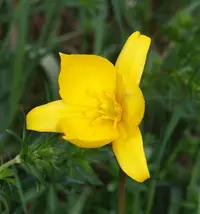
Wild tulip, Tulipa sylvestris, is a small bulb-forming perennial often grown for its nodding, star-shaped yellow flowers and delicate, naturalized look. It typically produces slender, grey-green leaves and spreads slowly by bulbs and short stolons, forming loose drifts over time.

In nature, it occurs in parts of Europe and western Asia, especially in open woodlands, grasslands, and light, well-drained soils. It is considered easier to grow than many showier tulip hybrids, as long as the site is not too wet and there is good sun in spring. Understanding how to care for Wild tulip mainly involves providing drainage and avoiding heavy disturbance of the bulbs.

Main Plant Requirements

Care Difficulty

Moderate Care

Light Preference

Full Sun

Water Requirements

Moderate Water

Temperature Preference

Cold Hardy

Hardiness Zone

4–8

Soil Texture

Sandy, Loamy, Organic-rich

Soil pH

Acidic (5.5–6.5), Slightly acidic (6.5–7.0)

Soil Drainage

Well-drained

Fertilization

Minimal (feed rarely)

Get Personalized Care Plan

Scan your plant to receive care tips personalized for your specific plant

Available on iOS and Android

How to Care for the Wild tulip

This woodland tulip prefers bright conditions with some protection from intense midday sun.

  • Provide 4–6 hours of direct sun, ideally morning sun with light afternoon shade, to support strong flowering.
  • Tolerates light or dappled shade, but in deep shade plants grow spindly, lean toward light, and produce fewer or no flowers.
  • In hot summers, excessive all-day sun can scorch leaves and shorten bloom life, so use filtered light from trees or nearby plants to buffer harsh afternoon exposure.

This bulb prefers moderate, infrequent watering with consistently free-draining soil.

  • During active growth and flowering, water only when the top 3–5 cm of soil feels dry, then soak the root zone thoroughly once rather than in small sips.
  • After foliage begins to yellow, reduce watering sharply so the bulb enters dormancy in soil that is barely moist, not wet.
  • Ensure sharply drained soil or raised beds; soggy spots, standing water, or persistently wet clay cause Tulipa sylvestris bulbs to rot and foliage to flop.

This species is adapted to cool winters and mild springs, with bulbs that tolerate substantial cold.

  • Optimal spring growth and flowering occur around 50–65°F (10–18°C), with cool nights helping flowers last longer.
  • Bulbs need a cold period near 35–45°F (2–7°C) for at least 8–12 weeks to bloom well the following season.
  • Hardy in the ground to about 0°F (−18°C) with mulch; foliage tolerates light frosts but declines quickly in prolonged heat above 80°F (27°C).

This bulb tolerates a wide humidity range and rarely needs special humidity management indoors.

  • Target 30–50% relative humidity, similar to most heated or air-conditioned homes, for stable growth.
  • Dry indoor air is usually acceptable, but prolonged levels below 25% can slightly speed leaf yellowing after flowering.
  • If air is extremely dry, place the pot on a pebble tray with water below the base to raise local humidity without wetting the bulb.

This species prefers loose, well-aerated, fast-draining soil that mimics its natural sandy, meadow-like habitats.

  • Use a mix of 50–60% sandy or loamy garden soil, 20–30% compost, and 10–20% sharp sand or grit to keep it open and free-draining.
  • Aim for slightly acidic to neutral pH around 6.0–7.0, which supports nutrient uptake without increasing rot risk.
  • In heavy clay, plant on a raised mound or in a bed amended with coarse sand and fine gravel to improve aeration and percolation.
  • Avoid compacted, waterlogged, or peat-only substrates, since bulbs of Tulipa sylvestris are very prone to rotting in stagnant moisture.

This species is suitable for container growing when the pot is deep and drainage-focused.

  • Choose a pot at least 20–25 cm deep so the bulbs can sit 10–15 cm below the surface with room for root spread.
  • Use a mineral-heavy mix and elevate the pot on feet or bricks so drainage holes never sit in standing water after rain.
  • Select a heavier clay or ceramic container outdoors to prevent tipping as tall flowering stems develop and catch wind.

Tulipa sylvestris benefits from moderate, well-timed feeding but does not require heavy fertilization.

  • Apply a balanced, slow-release bulb fertilizer or light compost top-dressing in early spring as shoots emerge.
  • Use a low to medium strength product (about half label rate) to avoid forcing soft, weak growth.
  • Do not feed after flowering; allow foliage to yellow naturally while nutrients move back into the bulbs.
  • Skip fertilizing during full summer dormancy and in winter, especially for established garden clumps.

Tulipa sylvestris needs only light pruning focused on spent flowers and declining foliage.

  • After blooms fade, deadhead flower stems just below the spent flower to reduce seed setting and support bulb strength.
  • Leave green leaves intact until they turn fully yellow, then cut them at the base with clean, sharp scissors or pruners.
  • Remove only damaged, diseased, or badly tattered foliage to maintain plant health, not for cosmetic tidiness alone.
  • Avoid cutting healthy leaves early, as this reduces photosynthesis and can weaken next year’s flowering.

This species is usually grown in the ground; transplanting focuses on adjusting overcrowded or poorly flowering clumps.

  • Lift and divide clumps every 3–5 years if flowering declines, bulbs push to the surface, or growth becomes crowded.
  • Schedule lifting for late summer to early fall, when foliage has died back and bulbs are fully dormant.
  • Gently loosen soil, lift bulbs with a fork, separate offsets, and replant at the same depth in well-drained soil.
  • Water lightly after transplanting to settle soil around bulbs, then keep conditions relatively dry until cool-season growth resumes.

Division of bulbs is the standard method for increasing Tulipa sylvestris in gardens.

  • Lift dormant clumps in late summer or early fall, when leaves have completely died back.
  • Gently separate offsets (small bulbs) from the parent, keeping basal plates and roots intact where present.
  • Replant bulbs immediately at 10–15 cm depth in well-drained soil, spacing 8–10 cm apart.
  • For seed propagation, sow fresh seed in trays outdoors, accept slow germination, and allow several years to reach flowering size.

Tulipa sylvestris is cold hardy in typical temperate climates and usually needs minimal winter care.

  • Bulbs tolerate freezing temperatures in the ground when soil drains well and does not stay waterlogged.
  • In colder regions or exposed sites, add a 5–7 cm mulch layer over the planting area after soil cools.
  • Container-grown plants are more vulnerable; move pots into a sheltered, unheated but frost-sheltered spot if possible.

Care Tips

Mark Dormant Clumps

After flowering, mark the spots of established clumps with discreet labels or stones so you avoid disturbing the shallow bulbs during summer weeding or soil work.

Lift And Divide

Every 3–4 years, lift overcrowded clumps in late summer when the foliage is fully gone, separating and replanting only firm, healthy bulbs to maintain strong flowering and prevent decline.

Naturalizing Strategy

To encourage a naturalized look, plant bulbs in irregular drifts and leave some self-sown seedlings undisturbed, thinning only where dense patches begin to shade each other out.

Rodent Protection

In areas with voles or mice, set bulbs in the ground inside plastic or wire bulb baskets so roots can grow out while the bulbs remain protected from being eaten.

Companion Groundcover

Use low, shallow-rooted groundcovers that leaf out later in spring so the tulip foliage can photosynthesize fully, which supports long-term vigor when growing Wild tulip in the same area.

Common Pests and Diseases

Tulip fire

This disease causes brown spots, twisted foliage, and scorched-looking leaves and flowers, often stunting or killing emerging shoots. Symptoms include deformed buds and a grayish mold on damaged tissue in humid weather.

Solution

Remove and destroy all affected plants and nearby plant debris, as the fungus overwinters on dead material and bulbs. Avoid overhead watering, provide good spacing for airflow, and replant only healthy, firm bulbs in fresh soil, rotating the planting area for several years if infection was severe.

Botrytis blight

This disease produces soft, water-soaked lesions on leaves and flower stems that quickly turn brown and collapse, especially in cool, damp conditions. Symptoms include fuzzy gray mold on dying tissues and premature flower drop.

Solution

Cut off and discard all infected parts as soon as they appear and keep the planting area free of spent leaves and petals. Improve air circulation, avoid wetting foliage when watering, and in repeatedly affected sites consider a preventive fungicide labeled for ornamental bulbs applied at emergence and during prolonged wet periods.

Basal bulb rot

This disease starts at the base of the bulb, causing yellowing and wilting foliage that collapses early, often accompanied by a soft, brown, foul-smelling bulb. Symptoms include poor emergence in spring and bulbs that break down in storage.

Solution

Discard any soft, discolored, or foul-smelling bulbs before planting and only use firm, healthy stock. Ensure soil drains well, avoid overwatering, and do not replant tulips in infected spots for several years; if storing bulbs, keep them dry, cool, and well ventilated to limit fungal growth.

Aphids

These insects feed on young leaves and flower stalks, causing curling, distortion, and sticky honeydew that can lead to sooty mold. This pest can also transmit viruses that permanently weaken clumps over time.

Solution

Dislodge colonies with a strong stream of water and prune off heavily infested shoots. Encourage lady beetles and other natural predators, and if populations remain high, use an insecticidal soap or horticultural oil, coating the undersides of leaves and repeating as needed.

Slugs and snails

These pests chew irregular holes in young leaves and flower buds, sometimes leaving only midribs and severely disfiguring early spring growth. Symptoms include slime trails on soil and foliage, especially after wet nights.

Solution

Hand-pick slugs and snails in the evening or early morning and remove nearby hiding places such as dense mulch in direct contact with stems. Use iron phosphate slug baits around plantings according to label directions and maintain slightly drier surface soil or coarse grit barriers to make the area less favorable for feeding.

Interesting Facts

Ancient European introduction

Although native to southern Europe and parts of western Asia, this wild tulip was introduced to northern and western Europe by the 16th century and soon naturalized in meadows, vineyards, and old orchards, especially in regions such as France, Germany, and the UK.

Fragrant evening flowers

Unlike many modern hybrid tulips, its yellow, star-shaped flowers often produce a noticeable sweet fragrance, particularly in the evening and on warm, still days.

Vegetative spread by stolons

This species spreads not only by seed but also through slender underground stolons, allowing colonies to slowly expand and form loose drifts in suitable, undisturbed grassland.

Botan icon

Did you know?

In several parts of Europe, especially in traditional vineyard regions, this species is considered an indicator of old, long-cultivated land, so its presence can reveal centuries of continuous agricultural use even where historical records are incomplete.

FAQs about Wild tulip

This species spreads gradually by bulb offsets and underground stolons. In suitable soil it can form loose colonies over several years, but it is usually not problematic if bulbs are spaced sensibly and excess clumps are divided.

Grow Healthy Plants with Botan Care

Keep your plants happy and healthy with plant identification, disease detection, and easy care guidance.

Botan plant care app — identify plants on mobile

Explore More Plants