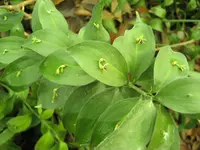
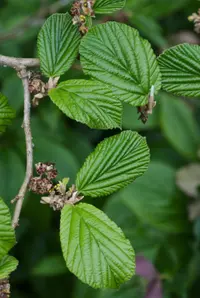
Renewal thinning cuts
Every 2–3 years, remove 1–3 of the oldest stems right at ground level to keep the shrub vigorous and flowering heavily on younger wood.

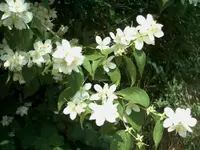
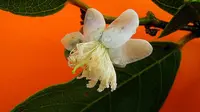
Sweet mock orange, Philadelphus coronarius, is a deciduous flowering shrub valued for its fragrant, creamy white spring blossoms. It forms a dense, upright to arching shape suitable for hedges or informal screens.
This species is native to southern Europe and has adapted well to many temperate gardens. Its tough, woody stems and simple green leaves give a classic, uncluttered look in mixed borders.
Philadelphus coronarius is generally easy to grow, as it tolerates urban conditions and moderate pruning. It responds best to sun to light shade, moist but well-drained soil, and benefits from basic attention to how to care for sweet mock orange.

Care Difficulty
Easy Care

Light Preference
Full Sun

Water Requirements
Moderate Water

Temperature Preference
Cold Hardy

Hardiness Zone
4–8

Soil Texture
Sandy, Loamy, Clay

Soil pH
Slightly acidic (6.5–7.0), Neutral (7.0)

Soil Drainage
Well-drained

Fertilization
Minimal (feed rarely)
Scan your plant to receive care tips personalized for your specific plant
Available on iOS and Android
This deciduous shrub prefers bright conditions with some protection from harsh afternoon sun.
This shrub prefers evenly moist but not saturated soil, especially during establishment and flowering.
This hardy shrub tolerates a wide range of outdoor temperatures when planted in suitable climates.
Humidity is rarely a concern for Philadelphus coronarius in typical outdoor conditions.
Philadelphus coronarius performs best in moderately fertile, well-drained ground with a stable structure.
This shrub can be grown in containers if the pot setup supports its woody root system and mature size.
Philadelphus coronarius benefits from modest feeding to support flowering but does not need heavy fertilization.
Pruning Philadelphus coronarius after flowering maintains strong bloom production and a balanced shrub shape.
This shrub is usually grown in the ground, so focus on careful transplanting rather than frequent repotting.
Philadelphus coronarius is commonly propagated from cuttings and sometimes by layering for consistent plant quality.
Philadelphus coronarius is generally cold hardy in temperate climates and needs minimal winter attention once established.

Plant Health Check
Not sure what's wrong with your plant? Check your plant's health inside the app.
Philadelphus coronarius has been cultivated in European gardens since at least the 16th century, making it one of the longest-grown ornamental shrubs on historic estates and in monastery gardens.
Its strong citrus-like scent comes mainly from volatile organic compounds such as benzyl alcohol and various terpenoids, which together create the characteristic sweet mock orange perfume that is noticeable even at several meters distance.
This species shows good tolerance to air pollution and soil compaction, so it is often used in city plantings and older urban parks where more sensitive shrubs struggle.

In the 18th and 19th centuries, Philadelphus coronarius was frequently planted in formal palace gardens and along promenades not only for its fragrance but also because its dense branching made it suitable for training into perfumed flowering hedges that marked paths and garden rooms in European landscape design.
Lack of flowers usually comes from pruning at the wrong time, deep shade, or nutrient imbalance. This shrub forms next year’s buds soon after flowering, so heavy pruning in summer or fall often removes the following season’s blooms.
Keep your plants happy and healthy with plant identification, disease detection, and easy care guidance.