Rocky siting
Plant into or beside gravelly or rocky rubble so the crown sits slightly elevated, which keeps the root collar dry and mimics its native desert outcrops.

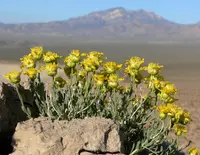
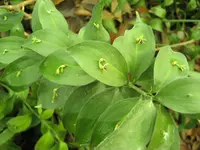
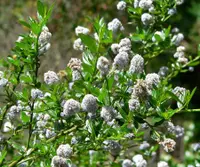
Shockley's goldenhead (Acamptopappus shockleyi) is a small, shrubby perennial in the aster family, native to arid regions of the Mojave Desert and Great Basin. It forms low, rounded mounds with narrow gray-green leaves and many small yellow flower heads in spring.
This species is adapted to rocky, highly drained slopes and washes, where it tolerates intense sun, heat, and drought. Its tough, compact growth and low water demand make it potentially useful for xeriscapes, though it can be short-lived outside its preferred conditions.
Gardeners who want to care for Shockley's goldenhead should focus on very sharp drainage, lean soil, and full sun exposure to mimic its natural habitat as closely as possible.

Care Difficulty
Moderate Care

Light Preference
Full Sun

Water Requirements
Low Water

Temperature Preference
Warm Climate

Hardiness Zone
7–9

Soil Texture
Sandy, Rocky, Loamy

Soil pH
Neutral (7.0), Slightly alkaline (7.0–7.5)

Soil Drainage
Well-drained

Fertilization
Minimal (feed rarely)
Scan your plant to receive care tips personalized for your specific plant
Available on iOS and Android
This desert subshrub thrives in strong sun but benefits from some seasonal protection.
This species is highly drought tolerant and adapted to fast-drying, rocky soils.
This plant is adapted to continental desert climates with hot summers and cold, often snowy winters.
This desert subshrub tolerates very dry air and usually does not need humidity management indoors or outdoors.
This species prefers very free-draining, mineral soils that mimic arid, rocky habitats.
This species can grow in containers if the pot is managed to stay dry between waterings, suitable for growing Shockley's goldenhead in harsh, sunny sites.
This desert native needs minimal feeding, as Shockley's goldenhead is adapted to low-nutrient soils.
Pruning Acamptopappus shockleyi is mainly for cleanup and to maintain a compact, tidy form.
This shrub is most often grown in the ground; transplant or repot only when clearly necessary to limit stress.
Propagation of Acamptopappus shockleyi is usually done from seed and is somewhat specialized for dryland conditions.
This species is quite cold hardy in its native range and usually needs little deliberate winter care.

Plant Health Check
Not sure what's wrong with your plant? Check your plant's health inside the app.
This species is strongly associated with dry gypsum-rich soils in the Mojave region, often forming part of sparse shrub communities where many other plants cannot tolerate the mineral conditions.
Its flower heads produce bright yellow disk florets without the showy ray florets seen in daisies, a trait that helps distinguish it from related desert composites.
Unlike many short-lived desert wildflowers, it forms a low, woody subshrub that can persist for multiple seasons, allowing it to take advantage of favorable rainfall years in an otherwise harsh environment.
The flowers produce nectar and pollen that attract native bees, small wasps, flies, and some butterflies. It is especially valuable to desert pollinators, offering forage when few other species are blooming in harsh, dry conditions.
Keep your plants happy and healthy with plant identification, disease detection, and easy care guidance.