Wind-firm training
In the first 2–3 years, lightly stake young shrubs in windy sites and remove stakes gradually so the plant develops a sturdy, self-supporting root system and flexible framework.


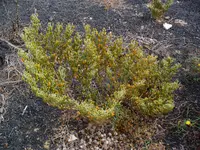
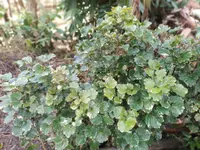
Kohuhu, Pittosporum tenuifolium, is an evergreen shrub or small tree valued for its dense, fine-textured foliage and neat, upright growth. It often forms natural screens or clipped hedges with small, wavy-edged leaves in shades of green to dark purple-green.
The species is native to New Zealand and adapts well to mild coastal and urban climates in many regions. Its small, dark, honey-scented flowers are discreet but add seasonal interest.
This plant is generally robust and tolerant of pruning, wind, and light salt exposure, which makes it popular in landscapes. To care for Kohuhu successfully, provide well-drained soil, moderate moisture, and light from full sun to light shade.

Care Difficulty
Moderate Care

Light Preference
Partial Sun

Water Requirements
Moderate Water

Temperature Preference
Warm Climate

Hardiness Zone
8–11

Soil Texture
Sandy, Loamy, Clay

Soil pH
Slightly acidic (6.5–7.0), Slightly alkaline (7.0–7.5)

Soil Drainage
Well-drained

Fertilization
Minimal (feed rarely)
Scan your plant to receive care tips personalized for your specific plant
Available on iOS and Android
Pittosporum tenuifolium grows best with ample light but benefits from some protection from intense afternoon sun.
Pittosporum tenuifolium prefers evenly moist, well-drained soil once established.
This shrub is relatively hardy but performs best within mild temperature ranges.
Pittosporum tenuifolium handles a wide humidity range but grows best with moderate atmospheric moisture.
Pittosporum tenuifolium prefers well-structured, free-draining soil that does not stay saturated after rain or watering.
This species is well-suited to container growing when the pot and substrate are chosen for stability and drainage.
Pittosporum tenuifolium benefits from moderate feeding to support dense, healthy growth in containers or nutrient-poor soils.
Pruning helps Pittosporum tenuifolium maintain a dense, tidy shape and removes weak growth.
This shrub is most often grown in the ground, so care focuses on transplanting rather than frequent repotting.
Pittosporum tenuifolium is commonly propagated from semi-ripe cuttings and sometimes from seed.
This shrub is moderately cold hardy but benefits from simple winter precautions in colder regions.

Plant Health Check
Not sure what's wrong with your plant? Check your plant's health inside the app.
The small dark purple flowers open in late afternoon and release a strong honey-like fragrance at night, which attracts nocturnal moth pollinators in its native New Zealand habitats.
This species shows a natural tendency for leaf color variation, which has led to many stable cultivars with cream, yellow, or lime variegation widely used in ornamental hedging.
In coastal New Zealand and similar climates, this shrub often forms dense, wind-pruned thickets because its small, tough leaves and flexible branching tolerate strong winds and airborne sea salt better than many other shrubs.

In New Zealand, this species is an important component of early to mid-successional forest, often colonizing open or disturbed ground and then forming shelter that allows more shade-tolerant tree species to establish beneath it.
Lack of bloom usually comes from heavy pruning at the wrong time, deep shade, or excess nitrogen fertilizer. Flowers are produced on older wood, so avoid hard cutting in late winter and provide enough light and balanced nutrition.
Keep your plants happy and healthy with plant identification, disease detection, and easy care guidance.