anil de pasto Care (Indigofera suffruticosa)

Also known as: Shrubby Indigo, Wild Indigo, Tropical Indigo
anil de pasto

About anil de pasto

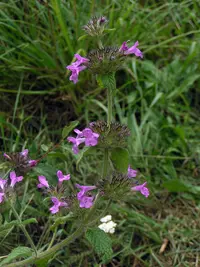
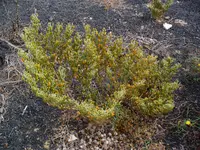
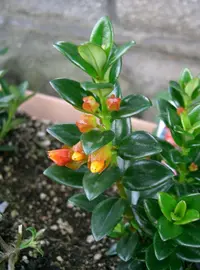
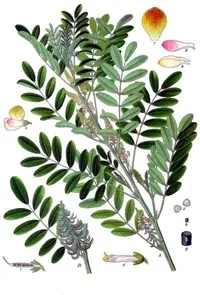
Anil de pasto (Indigofera suffruticosa) is a woody shrub in the legume family, traditionally grown as a natural indigo dye source. It typically forms a dense, bushy plant with fine, compound leaves and small pink to purplish pea-like flowers, followed by slender seed pods.

In the wild, it occurs in tropical and subtropical regions of the Americas and has naturalized in many warm climates. It tends to grow vigorously where conditions suit it, which can make it easy to maintain but sometimes invasive outdoors.

This species prefers full sun, well-drained soil, and moderate moisture. Understanding these basic needs makes it simpler to know how to care for anil de pasto in home or garden settings.

Main Plant Requirements

Care Difficulty

Moderate Care

Light Preference

Full Sun

Water Requirements

Moderate Water

Temperature Preference

Tropical / Frost Sensitive

Hardiness Zone

9–11

Soil Texture

Sandy, Loamy, Organic-rich

Soil pH

Acidic (5.5–6.5), Slightly acidic (6.5–7.0)

Soil Drainage

Well-drained

Fertilization

Minimal (feed rarely)

Get Personalized Care Plan

Scan your plant to receive care tips personalized for your specific plant

Available on iOS and Android

How to Care for the anil de pasto

This sun-loving shrub prefers bright, direct light in warm climates where it is often grown outdoors as anil de pasto.

  • Provide 6–8 hours of direct sun daily, with at least 3–4 hours of gentle morning sun; light afternoon shade is helpful in very hot regions.
  • In hot, dry areas, protect from intense midafternoon sun with dappled or filtered light to reduce leaf scorch and stress.
  • If stems become leggy or flowering is sparse, increase light exposure by moving the plant to a more open, south- or west-facing position.

This drought-tolerant shrub prefers deep, infrequent watering once established.

  • Allow the top 5–7 cm of soil to dry before watering, then soak the root zone thoroughly so water reaches 15–20 cm deep.
  • During hot, dry periods, monitor foliage; slight leaf droop and dry soil indicate it is time to water, while yellowing or soft stems suggest overwatering.
  • Plant Indigofera suffruticosa in well-drained, sandy or loamy soil; avoid standing water and heavy clay, especially in cooler, wetter seasons.

This warm-climate shrub grows best in consistently mild to hot conditions without frost exposure.

  • Optimal growth occurs around 70–90°F (21–32°C), where flowering and new shoots are most active through the warm season.
  • It tolerates short peaks up to about 100°F (38°C) if soil moisture is adequate, but prolonged extreme heat can slow growth and scorch foliage.
  • Minimum safe outdoor temperature is about 30–32°F (-1–0°C); repeated frosts can kill top growth, so protect or replace plants in colder winters.

This species handles a wide humidity range but grows best with moderate ambient moisture.

  • Aim for 40–60% humidity for steady growth, similar to typical outdoor summer conditions in many regions.
  • Plants tolerate short dry-air periods, but prolonged indoor heating or hot winds can cause leaf edge browning and premature leaf drop.
  • Increase humidity by grouping plants, placing containers near but not on a tray of water and pebbles, or using a light misting during very dry spells.

Indigofera suffruticosa prefers well-drained, moderately fertile soil that does not stay waterlogged.

  • Use a loose sandy or loamy mix with 30–40% coarse material such as sharp sand or perlite to keep pores open for root aeration.
  • In pots, combine standard potting mix with 20–30% compost and 20–30% perlite to support nutrient supply and fast drainage.
  • Target a slightly acidic to neutral pH of about 6.0–7.0; avoid strongly acidic or alkaline soil that can limit nutrient availability.
  • Avoid compacted clay, poorly drained spots, or heavy mixes rich in fine peat alone, which increase the risk of root rot and slow growth.

This species is suitable for container growing, especially in cooler climates or where space is limited.

  • Choose a deep, wider-than-tall pot to support its shrubby root system and reduce the risk of the container tipping in wind.
  • Opt for a slightly heavier material such as ceramic or thick plastic so the plant remains stable as top growth becomes woody.
  • Use a potting mix that drains faster than in-ground soil since containers dry unevenly, and monitor moisture near the pot center, not only at the surface.

Indigofera suffruticosa responds well to light feeding but grows acceptably even in modest soils.

  • Use a balanced, slow-release fertilizer (for example 10-10-10) or well-rotted compost at the start of the warm growing season.
  • Feed container plants every 4–6 weeks at half-strength using a diluted liquid balanced NPK fertilizer.
  • Avoid overfeeding; excess nitrogen can reduce flowering and cause soft, weak shoots.
  • In winter or dormant periods, stop or reduce feeding to very light applications only if growth is active.

Pruning Indigofera suffruticosa maintains a compact shape and supports flowering wood.

  • Carry out main pruning in late winter or very early spring before strong new growth begins.
  • Remove dead, diseased, damaged, or crossing branches first to open the shrub and improve air flow.
  • Shorten overly long or leggy stems to encourage bushier growth and more flowering shoots.
  • Use clean, sharp hand pruners and make angled cuts just above healthy outward-facing buds.

This species is more often grown in the ground, so focus on thoughtful transplanting or occasional repotting for container plants.

  • Transplant in late spring after frost risk has passed, when roots fill the pot or growth appears stunted.
  • Check for roots circling the container drainage holes; this indicates the need for a larger pot or in-ground planting.
  • Lift the plant carefully, loosen circling roots gently, and replant at the same depth in well-drained soil.
  • Water thoroughly after transplanting and shade the plant for 2–3 days to limit transplant shock and leaf scorch.

Indigofera suffruticosa is commonly propagated by seeds and softwood cuttings for new plants or restoration projects.

  • Sow fresh seeds in spring in a warm (70–77°F), bright location, lightly covering them with a free-draining mix.
  • Scarify hard seed coats gently with sandpaper or soak in warm water 12–24 hours to improve germination.
  • Take softwood cuttings in late spring to early summer and root them in sterile, moist, well-drained medium.
  • Provide high humidity, bright indirect light, and gentle bottom warmth if possible until roots are established.

This warm-climate shrub dislikes hard freezing and benefits from simple winter management in cooler regions.

  • In mild climates, established plants tolerate brief light frosts but may drop leaves and reshoot in spring.
  • Apply a 5–8 cm mulch layer around the root zone in late fall, keeping mulch slightly away from stems.
  • Move container-grown plants indoors or into a frost-free greenhouse when temperatures approach 32°F.

Care Tips

Encourage Bushy Form

Pinch back soft shoot tips when they are 10–15 cm long to stimulate side branching and create a denser, more floriferous shrub.

Support Young Stems

Install low, discreet stakes or a short wire hoop around young plants in windy sites so flexible stems can lean without snapping while the root system establishes.

Manage Self-Seeding

Deadhead most spent flower spikes before pods mature, leaving only a few for seed collection, to prevent unwanted self-seeding and to concentrate the plant’s energy on current growth.

Time Hard Pruning

Carry out any hard structural pruning at the very end of winter or just as new buds swell, since this species blooms on new wood and responds well to a single, decisive cut-back each year.

Optimize Dye Harvest

If using the foliage for dye, harvest only the upper third of leafy growth on a dry morning, then allow 4–6 weeks of regrowth before the next cut to maintain plant vigor while growing anil de pasto.

Common Pests and Diseases

Indigofera seed beetle

This pest targets developing seeds in pods and can significantly reduce seed viability and yield. Symptoms include small exit holes in dry pods and poor germination of collected seed.

Solution

Collect pods promptly as they mature and store seeds in airtight containers to reduce beetle development. For outdoor stands, remove and destroy heavily damaged pods after harvest, and where seed production is important, consider fine mesh bagging of flower clusters to exclude adult beetles.

Leaf-chewing caterpillars

These insects feed on young foliage and can skeletonize leaves, especially on field-grown plants or hedgerows. Symptoms include irregular holes, missing leaf margins, and frass pellets on or beneath the plant.

Solution

Hand-pick visible caterpillars and remove heavily damaged leaves to reduce food sources. For repeated outbreaks, encourage natural predators, use light-weight row covers on young plants, or apply a targeted Bacillus thuringiensis (Bt) product to foliage according to label directions.

Leaf spot

This disease causes small brown to dark-purple lesions on leaves, often with a pale center, which can coalesce and lead to premature defoliation in humid conditions. Symptoms include spotting that starts on lower leaves and may move upward in crowded or poorly ventilated plantings.

Solution

Prune to improve airflow, avoid overhead watering, and water early in the day so foliage dries quickly. Remove and dispose of infected leaves, and in recurrent cases consider a copper-based or other labeled foliar fungicide applied preventively during warm, wet periods.

Powdery mildew

This disease appears as white to gray powdery patches on leaves and young stems, often during warm days and cool nights. Symptoms include distorted new growth, dulled foliage color, and reduced flowering on heavily affected plants.

Solution

Increase spacing and airflow, avoid excess nitrogen fertilization that promotes soft new growth, and water at the base rather than over foliage. At first signs, remove the most affected shoots and, if needed, use a labeled sulfur or potassium bicarbonate spray, coating both upper and lower leaf surfaces.

Root-knot nematodes

These microscopic worms infest roots, causing characteristic galls and leading to stunted growth, poor nodulation, and reduced vigor, particularly in sandy soils. Symptoms include yellowing foliage, poor biomass production, and plants that wilt quickly in heat despite adequate watering.

Solution

Rotate plantings with non-host or resistant cover crops, incorporate organic matter to support beneficial soil organisms, and avoid moving infested soil on tools or transplants. In high-pressure areas, use soil solarization before planting and favor healthy, vigorous starts rather than stressing plants with drought or nutrient deficiency to support Indigofera suffruticosa care.

Interesting Facts

Traditional blue dye source

This species was historically cultivated across tropical America as a primary source of natural indigo dye, extracted by fermenting and oxidizing its leaves to produce the blue pigment indigotin.

Nitrogen-fixing shrub

As a legume, it forms symbioses with rhizobium bacteria in its root nodules, which convert atmospheric nitrogen into forms usable by plants and can improve soil fertility in degraded or low-nutrient sites.

Pioneer in disturbed areas

The shrub often colonizes disturbed, dry, or overgrazed lands in subtropical and tropical regions, where its deep root system and drought tolerance help it establish quickly and stabilize the soil.

Botan icon

Did you know?

In parts of Mesoamerica and the Caribbean, this plant played an important economic and cultural role from pre-Columbian times through the colonial period, with large-scale plantations and specialized fermentation techniques developed specifically to produce high-quality indigo dye for textiles and trade.

FAQs about anil de pasto

Poor flowering usually comes from insufficient light, lack of pruning, or low nutrients. Ensure full sun exposure, avoid heavy nitrogen fertilizer, and lightly prune after flowering to stimulate new growth and next season’s flower bud formation.

Grow Healthy Plants with Botan Care

Keep your plants happy and healthy with plant identification, disease detection, and easy care guidance.

Botan plant care app — identify plants on mobile

Explore More Plants