wild basil Care (Clinopodium vulgare)

Also known as: American wild basil
wild basil

About wild basil

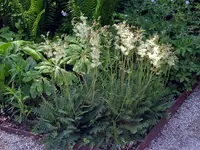
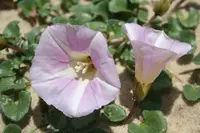
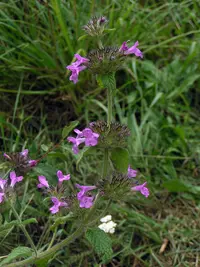
Wild basil, Clinopodium vulgare, is a low, spreading perennial herb in the mint family, valued for its aromatic foliage and nectar-rich flowers. It typically forms loose clumps with square stems, soft oval leaves, and clusters of pink to purple blooms in late summer.

This species is native to Europe and parts of Asia and has naturalized in some regions of North America, often growing in dry grasslands, open woods, and roadsides. It is generally considered easy to grow, as it tolerates lean soils and moderate drought once established.

Wild basil prefers sunny to lightly shaded spots with well-drained soil. Its toughness and low maintenance needs make it a practical choice for gardeners who want to learn how to care for wild basil without complex routines.

Main Plant Requirements

Care Difficulty

Easy Care

Light Preference

Full Sun

Water Requirements

Moderate Water

Temperature Preference

Cold Hardy

Hardiness Zone

4–8

Soil Texture

Sandy, Loamy, Rocky

Soil pH

Acidic (5.5–6.5), Slightly acidic (6.5–7.0)

Soil Drainage

Well-drained

Fertilization

Minimal (feed rarely)

Get Personalized Care Plan

Scan your plant to receive care tips personalized for your specific plant

Available on iOS and Android

How to Care for the wild basil

Clinopodium vulgare prefers bright outdoor conditions with moderate direct sun exposure.

  • Provide 4–6 hours of direct sun daily, ideally gentle morning sun with light or dappled shade in the afternoon.
  • Tolerates partial shade, especially in hotter regions, but flowering and aroma improve with at least half-day sun.
  • In very hot summers, protect wild basil from intense midday sun to reduce leaf scorch and moisture stress, especially in dry, exposed sites.

This species prefers evenly moist but not saturated soil once established in the ground.

  • Allow the top 3–5 cm of soil to dry before watering, then soak the root zone thoroughly and let excess water drain away.
  • In spring and early summer, when growth is active, monitor soil more often; reduce watering in late summer and fall as growth slows.
  • Yellowing, soft stems suggest overwatering or poor drainage, while wilting with dry, crumbly soil indicates the plant needs deeper, less frequent watering for Clinopodium vulgare.

This hardy perennial tolerates a wide temperature range typical of temperate outdoor climates.

  • Optimal growth occurs around 60–75°F (16–24°C), with strongest vegetative growth in mild spring and early summer weather.
  • Mature plants generally survive down to about 0°F (−18°C) in well-drained soil, dying back above ground and re-sprouting in spring.
  • Handles summer heat up to about 86–90°F (30–32°C) if soil is not waterlogged; mulching helps buffer roots from temperature swings and brief heat spikes.

This species tolerates a wide humidity range and usually does not need special humidity management outdoors.

  • Aim for 30–60% humidity; typical outdoor air in most temperate regions is acceptable for wild basil.
  • Plants tolerate brief dry air spells but may droop and develop crisp leaf edges in prolonged very low humidity.
  • In unusually dry, hot weather, group plants close together or add a shallow water tray nearby to slightly raise local humidity.

This perennial herb prefers light, well-aerated soil that drains quickly but does not dry out instantly.

  • Use a sandy or loamy mix with moderate organic matter, such as garden soil blended with compost and coarse sand in roughly equal parts.
  • Ensure rapid drainage; water should infiltrate within seconds and never pool, or roots may be exposed to rot-causing fungi.
  • Target a slightly acidic to neutral pH of about 6.0–7.5, which supports nutrient uptake for Clinopodium vulgare.
  • Avoid heavy, compacted clay or peat-heavy mixes; improve dense soils by working in coarse sand or fine grit to increase pore space.

Clinopodium vulgare can adapt well to container growing when root space and drainage are carefully managed.

  • Choose a relatively wide, shallow pot to accommodate its spreading root system and limit waterlogging at depth.
  • Select a breathable material such as unglazed terracotta if the site is wet or cool, since it allows faster evaporation from the root zone.
  • Elevate the container slightly on pot feet or bricks so drainage holes stay clear and excess water escapes freely after rain or watering.

Clinopodium vulgare is a low-nutrient native herb that needs only light feeding in poor soils or long-term containers.

  • For garden plants, work a thin layer of mature compost into the topsoil once in spring if growth looks weak.
  • Container wild basil benefits from a balanced, slow-release fertilizer (around 10-10-10) applied at label rates in early spring.
  • During the main growing season, use a half-strength balanced liquid feed no more than once per month for potted plants.
  • Stop feeding in late summer and avoid fertilization in fall and winter to prevent soft, frost-prone growth.

Clinopodium vulgare responds well to light pruning that maintains a compact, flowering clump.

  • In late winter or early spring, remove dead, damaged, or winter-burned stems with clean, sharp scissors or hand pruners.
  • After the first main flowering flush, shear back spent flower stems by 5–10 cm to encourage bushier growth and repeat bloom.
  • Thin crowded shoots at the base to improve air flow and reduce the risk of foliar disease in humid conditions.
  • Avoid cutting into woody, old stems too hard; focus on soft, green growth for shaping the plant mound.

This species is more often grown in beds than pots, so focus on thoughtful transplanting rather than frequent repotting.

  • Transplant in early spring or early fall, when temperatures are mild and soil moisture is even.
  • Move clumps only when growth slows, flowering declines, or roots form a dense mat that is difficult to divide in place.
  • Lift the plant with a wide soil ball, disturb roots as little as possible, and replant at the same depth in well-drained soil.
  • Water thoroughly after transplanting, provide light shade for 3–5 days in hot weather, and keep soil slightly moist until new growth appears.

Clinopodium vulgare is commonly propagated by division, cuttings, or seeds to expand plantings or refresh older clumps.

  • Divide mature clumps in early spring or early fall, replanting vigorous outer sections into prepared, well-drained soil.
  • Take 7–10 cm softwood cuttings in late spring, remove lower leaves, and root in a moist, free-draining mix under bright, indirect light.
  • Sow fresh seed on the surface of a fine seed mix in spring, gently press in, and keep at 60–70°F until germination.
  • Maintain steady moisture but avoid waterlogging during rooting or germination to limit rot and promote strong root systems.

Clinopodium vulgare is generally cold hardy in temperate climates and needs minimal winter attention in the ground.

  • In regions with repeated freeze–thaw cycles, apply a light mulch layer (2–5 cm) around the root zone after the ground cools.
  • Leave some old stems over winter to catch snow and insulate crowns, then cut back dead growth in late winter.
  • For container plants in cold areas, move pots to a sheltered, unheated but frost-moderated spot and reduce watering.

Care Tips

Encourage Bushy Growth

Pinch back soft shoot tips several times in spring and early summer to keep plants compact and produce more leafy stems for harvest when growing wild basil.

Timed Harvest Strategy

Harvest stems just as flower buds begin to open, then cut 5–10 cm above the ground to trigger a strong, leafy regrowth rather than tall, woody stems.

Drying For Storage

Bundle small, loosely tied bunches and hang them upside down in a warm, shaded, well‑ventilated place, then strip and store leaves in airtight jars once they are fully crisp to preserve aroma.

Self‑Seeding Management

Deadhead spent flower heads before seed set if you want to limit spread, or leave some seedheads in place and lightly rake the soil below to encourage controlled self‑sowing.

Companion Plant Positioning

Plant it at the edges of herb beds or near low ornamental perennials where its nectar‑rich flowers support pollinators without shading more light‑demanding crops.

Common Pests and Diseases

Powdery mildew

This disease produces white, powdery patches on leaves and stems, often during warm days with cool, humid nights. Symptoms include distorted new growth and reduced vigor in dense wild basil clumps.

Solution

Remove and discard heavily infected shoots to reduce spore load, then thin crowded stems to improve airflow and light penetration. Avoid overhead watering, water at soil level in the morning, and if needed use a sulfur or potassium bicarbonate fungicide labeled for herbs, following directions carefully for safe Clinopodium vulgare care instructions.

Rust

This disease causes small orange, yellow, or brown pustules on the undersides of leaves, sometimes leading to yellowing and early leaf drop. Symptoms include a patchy appearance on lower foliage in moist, shaded sites.

Solution

Cut off and dispose of affected leaves and any severely infected stems, cleaning tools afterward. Improve spacing and sun exposure where possible, avoid wetting foliage, and in persistent cases apply an appropriate organic fungicide such as copper or neem-based products according to label directions for edible herbs.

Leaf spot

This disease shows as small brown or purplish spots that may expand and merge, giving leaves a scorched or tattered look. Symptoms include premature yellowing and thinning of the foliage, especially in plants grown in damp, poorly ventilated positions.

Solution

Remove and discard spotted leaves promptly and clear fallen debris around the plant to reduce reinfection. Promote good air movement, avoid crowding with other herbs, irrigate at the base, and use a mild bio-fungicide based on Bacillus species if spotting continues through the season.

Aphids

These insects cluster on soft shoot tips and flower stems, sucking sap and causing curling, sticky leaves and stunted growth. This pest also excretes honeydew that can encourage sooty mold on foliage.

Solution

Spray colonies off with a firm stream of water, then inspect new growth weekly and repeat as needed. If numbers stay high, apply insecticidal soap or a light horticultural oil to all stem and leaf surfaces, targeting undersides while avoiding treatment during strong sun or high heat.

Spider mites

This pest is most common in hot, dry conditions and feeds on the undersides of leaves, causing fine stippling, dull foliage, and sometimes delicate webbing between stems. Symptoms include a general faded or dusty appearance of leaves even when the plant is otherwise well watered.

Solution

Rinse plants thoroughly with water, focusing on the undersides of leaves, and increase ambient humidity slightly without making foliage stay wet for long periods. For persistent infestations, use insecticidal soap or a miticide labeled for use on herbs, repeating treatments at 5–7 day intervals until new growth appears clean.

Interesting Facts

Aromatic defensive oils

The leaves contain aromatic essential oils that make the plant strongly scented when crushed and also help protect it from many herbivorous insects and grazing animals.

Specialist bee visitors

Its small, tubular purple flowers are particularly attractive to long-tongued bees, which can easily reach the nectar and act as efficient pollinators for this species.

Calcareous soil preference

In the wild this species is most often found on calcareous or base-rich soils, such as chalk grasslands and limestone slopes, reflecting its adaptation to higher soil pH.

Botan icon

Did you know?

Molecular and morphological studies have shown that this species, once placed in the genus Satureja, is part of a wider Clinopodium group, and its reclassification has helped clarify evolutionary relationships within the mint family Lamiaceae.

FAQs about wild basil

Lack of flowers usually comes from too much shade, nutrient-rich soil with excess nitrogen, or cutting stems too late in the season. Allow enough light, avoid overfertilizing, and stop heavy trimming several weeks before expected flowering.

Grow Healthy Plants with Botan Care

Keep your plants happy and healthy with plant identification, disease detection, and easy care guidance.

Botan plant care app — identify plants on mobile

Explore More Plants