


Rockery Placement
Plant in small crevices between rocks or paving stones to provide natural root cooling and excellent drainage, which helps the plant form tight, long-lived clumps.

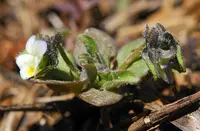
Viola parvula is a small, low-growing wild violet with delicate purple to bluish flowers and rounded leaves. It forms modest clumps or patches rather than dense groundcover. This species is native to parts of Europe and western Asia, where it typically grows in open meadows, light woodland, and rocky slopes. It prefers cool conditions, consistent moisture, and light, well-drained soils.
Growth is generally slow but steady when conditions are suitable. Its compact habit and subtle flowers make it more of a plant for collectors or naturalistic gardens than for bold displays. Understanding how to care for Viola parvula mainly involves matching its natural habitat conditions as closely as possible.

Care Difficulty
Moderate Care

Light Preference
Partial Shade

Water Requirements
Moderate Water

Temperature Preference
Cool Climate

Hardiness Zone
5–8

Soil Texture
Loamy, Sandy, Organic-rich

Soil pH
Acidic (5.5–6.5), Slightly acidic (6.5–7.0)

Soil Drainage
Moist but well-drained

Fertilization
Minimal (feed rarely)
Scan your plant to receive care tips personalized for your specific plant
Available on iOS and Android
This alpine violet prefers cool, bright conditions with protection from harsh midday sun.
Moist, cool, sharply drained soil supports healthy growth and flowering.
This species is adapted to cool, alpine conditions and dislikes prolonged heat.
This species prefers moderately moist air but usually adapts to typical indoor humidity.
This plant performs best in light, moist, well-drained soil that does not compact.
This species is suitable for container growing, especially for small displays and controlled moisture management.
This small alpine violet grows well in lean soils and needs only light feeding in cultivation.
Pruning needs for Viola parvula are minimal and focus on cleanliness and compact growth.
This species is usually grown in rock gardens or troughs, so focus on careful transplanting rather than frequent repotting.
New plants are most often obtained by division or seed, both suited to small alpine species like Viola parvula.
This violet is generally cold hardy in suitable climates and needs only modest winter preparation in the ground.

Plant Health Check
Not sure what's wrong with your plant? Check your plant's health inside the app.
Viola parvula is naturally restricted to high-elevation steppe and subalpine habitats of the central and eastern Tibetan Plateau, where it experiences intense sun, strong winds, and short growing seasons.
This species forms low, compact cushions or mats close to the ground, an adaptation that helps reduce water loss and protect tissues from cold, desiccating alpine winds.
Its purple to lilac flowers have relatively short spurs and tubes compared with many other violets, reflecting adaptation to the local pollinator community in high Asian mountain regions.
This species generally forms small, slow-spreading clumps or patches. It can self-seed lightly in suitable conditions but is not regarded as aggressive. Simple hand-weeding controls unwanted seedlings around more delicate neighboring plants.
Keep your plants happy and healthy with plant identification, disease detection, and easy care guidance.

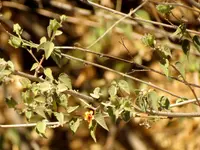
pelotazo
Abutilon incanum
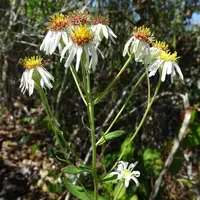
pine barren whitetop aster
Oclemena reticulata
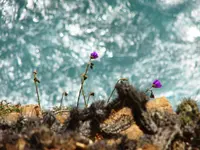
Rock Purslane
Cistanthe grandiflora
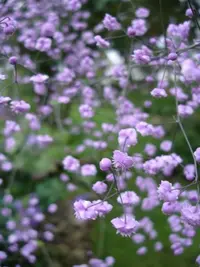
hinese meadow rue
Thalictrum delavayi
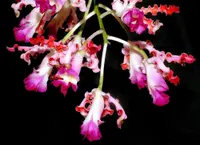
the trumpet player's Schomburgkia
Myrmecophila tibicinis
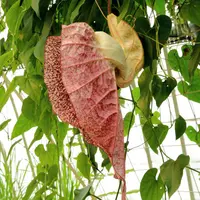
pelicanflower
Aristolochia grandiflora
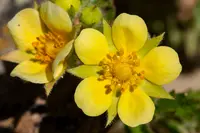
Big-flower Cinquefoil
Drymocallis fissa
White Bloodlily
Haemanthus albiflos