pine barren whitetop aster Care (Oclemena reticulata)

Also known as: Pinebarren Aster, Whitetop Aster

About pine barren whitetop aster

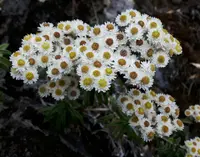
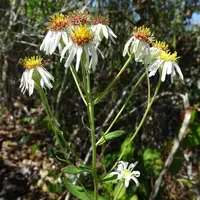
Pine barren whitetop aster (Oclemena reticulata) is a perennial wildflower in the aster family, native to sandy pine barrens of the southeastern United States. It typically forms upright clumps with narrow leaves and white, daisy-like flower heads held on slender stems.

This species usually grows in open, sunny to lightly shaded habitats with acidic, moist but well-drained, often sandy soils. It is adapted to nutrient-poor conditions, which can make garden cultivation somewhat challenging.

Gardeners who care for pine barren whitetop aster should focus on mimicking its natural habitat, particularly soil type and drainage, to keep the plant healthy and long-lived.

Main Plant Requirements

Care Difficulty

Moderate Care

Light Preference

Partial Shade

Water Requirements

Regular Water

Temperature Preference

Cold Hardy

Hardiness Zone

7–9

Soil Texture

Sandy, Loamy, Organic-rich

Soil pH

Acidic (5.5–6.5)

Soil Drainage

Moist but well-drained

Fertilization

Minimal (feed rarely)

Get Personalized Care Plan

Scan your plant to receive care tips personalized for your specific plant

Available on iOS and Android

How to Care for the pine barren whitetop aster

This species prefers bright, open conditions similar to its native pine barren habitats.

  • Provide 6–8 hours of direct sun, ideally with morning sun and light afternoon shade to protect foliage during peak heat.
  • Tolerates light partial shade (3–4 hours sun), but flowering of pine barren whitetop aster decreases and stems may stretch in too much shade.
  • Avoid harsh, all-day, reflected sun on very dry, sandy sites, which can cause leaf scorch; in hotter regions, use filtered afternoon light in summer.

This plant is adapted to seasonally dry, sandy soils and dislikes constant saturation.

  • Allow the top 3–5 cm of soil to dry between waterings; soil should feel dry to the touch but not powdery before adding water.
  • Increase watering slightly in active growth and flowering, then reduce once temperatures cool and rainfall increases in fall and winter.
  • Watch for yellowing, soft stems as a sign of overwatering, and for drooping, crisp leaves or slowed growth as indicators that Oclemena reticulata is too dry.

This species is hardy and adapted to temperate, sandy habitats with seasonal temperature swings.

  • Optimal growing temperatures are about 65–80°F (18–27°C), with strong growth in mild spring and early summer conditions.
  • Plants tolerate winter lows down to about 10–15°F (-12 to -9°C) once established, but young plants benefit from a light mulch layer in colder zones.
  • Short periods of heat up to 90°F (32°C) are tolerated if soil is not waterlogged; prolonged extreme heat or sudden hard frosts can damage new shoots.

Humidity is not a major factor for Oclemena reticulata when grown outdoors in its usual range.

Oclemena reticulata prefers sandy, acidic, moist but fast-draining soil that mimics pine barren habitats.

  • Use a mix of 50–70% coarse sand with the rest split between peat or fine pine bark and a small amount of compost.
  • Aim for acidic conditions around pH 4.5–5.5, avoiding lime or other alkaline amendments that raise pH.
  • Ensure water drains freely and does not pool; slightly raised beds or berms help on heavier native soils.
  • Avoid heavy clay, compacted areas, or spots that remain waterlogged after rain, which reduce aeration and damage roots.

This species is not well suited to container growing for long-term culture, including pine barren whitetop aster.

This native perennial usually needs minimal feeding in average garden soil.

  • In very poor, sandy soil, apply a light top-dressing of compost in early spring to support flowering of pine barren whitetop aster.
  • If using fertilizer, choose a balanced, slow-release product (e.g., 10-10-10) at half strength.
  • Apply once in spring during active growth; avoid repeated applications to prevent lush, floppy growth.
  • Do not fertilize in winter or dormancy, and reduce feeding in late fall.

Pruning Oclemena reticulata is simple and mainly focused on cleanup after flowering.

  • Cut back spent flower stalks in late fall or very early spring to keep plants tidy and encourage dense growth.
  • Remove dead, damaged, or diseased stems at the base using clean, sharp hand pruners.
  • Thin crowded or weak stems lightly to improve air flow and reduce fungal problems.
  • Avoid hard shearing; leave some healthy foliage to maintain energy reserves in the root system.

This species is usually grown in the ground, so focus on careful transplanting rather than frequent repotting.

  • Transplant in early spring or early fall, when temperatures are mild and soil moisture is steady.
  • Choose plants that have filled their space or show reduced vigor, but avoid moving them every year.
  • Dig a wide, shallow hole, lift the root mass with as much native soil as possible, and replant at the same depth.
  • Water thoroughly after moving, then keep soil evenly moist for several weeks to limit root stress and wilting.

Gardeners most often propagate this aster by division, with seed also possible for larger restoration projects.

  • Divide established clumps in early spring or early fall, when growth is slow and soil is cool.
  • Lift the clump, gently tease apart sections, and replant divisions with several healthy shoots and roots.
  • For seed, sow fresh, cold-stratified seed on the surface of a well-drained mix, keeping it just moist.
  • Provide bright, indirect light and cool conditions to encourage rooting or germination without drying out.

This cold-hardy native typically survives winter with minimal intervention in its suitable hardiness range.

  • Tolerates normal frosts once established, with top growth often dying back and roots overwintering underground.
  • Apply a 5–8 cm layer of loose organic mulch after the ground cools to buffer freeze–thaw cycles.
  • Leave standing stems over winter in colder areas, then cut back dead growth in late winter or early spring.
  • For container plants in very cold regions, move pots to a sheltered, unheated but frost-moderated location.

Care Tips

Mimic pine barrens

When creating a new bed, mix in sand and fine bark into the top 10–15 cm to imitate the aerated, nutrient-poor pine barren soils that help control vigor and reduce root diseases.

Use low-dose mycorrhizae

At planting, dust roots lightly with a mycorrhizal inoculant formulated for ericaceous or acid-loving species to improve nutrient uptake in the naturally lean substrates this species prefers.

Manage competing grasses

Keep a 20–30 cm turf-free ring around each clump by hand-weeding or using mulch so that shallow fibrous roots are not outcompeted by aggressive grasses.

Encourage patch spreading

If a clump is established and healthy, gently divide and replant outer sections in early spring at the same depth and spacing to slowly build a natural-looking colony when growing pine barren whitetop aster.

Monitor for drought scorch

During unusually hot, dry spells, check leaf edges for browning and, if present, apply a temporary layer of light-colored mulch to reduce soil temperature and moisture loss without raising fertility.

Common Pests and Diseases

Leaf spot

This disease causes small to medium brown or purple lesions on leaves that may coalesce and lead to premature leaf drop, especially in warm, humid conditions. Symptoms include spotting that often starts on older foliage in dense or poorly ventilated plantings.

Solution

Remove and discard affected leaves to reduce inoculum, avoid overhead watering, and thin crowded stems to improve airflow. If leaf spot recurs severely in the same site, use a labeled copper or chlorothalonil fungicide early in the season according to local extension guidance for Oclemena reticulata care instructions.

Powdery mildew

This disease produces a white, powdery coating on upper leaf surfaces and young stems, which can cause yellowing and reduced vigor. Symptoms include distorted new growth and a dull, dusty appearance on foliage during warm days with cool, humid nights.

Solution

Improve air circulation by spacing plants properly and cutting back dense surrounding vegetation, and water at soil level instead of on leaves. In persistent cases, apply a sulfur or potassium bicarbonate fungicide labeled for ornamental asters, starting at first sign of mildew and repeating as directed on the product label.

Aster leafhopper

This pest is a small, wedge-shaped insect that feeds on plant sap and can transmit aster yellows phytoplasma, leading to stunted, yellow, or deformed growth. Symptoms include pale, twisted shoots and poor flowering on affected plants.

Solution

Monitor plants regularly and remove unusually deformed or yellow plants to limit spread of aster yellows. To reduce leafhopper numbers, use fine mesh row covers where practical, encourage natural predators, and if needed apply an insecticidal soap or pyrethrin product in the early evening, directed at the undersides of leaves.

Aphids

These insects cluster on tender stems and leaf undersides, sucking sap and excreting sticky honeydew that can attract sooty mold. Symptoms include curled or distorted young leaves and reduced vigor, especially on new growth and flowering stems.

Solution

Spray colonies off with a firm stream of water and remove heavily infested shoot tips. For ongoing infestations, use insecticidal soap or a light horticultural oil, coating the undersides of leaves and repeating every 5–7 days until populations drop.

Interesting Facts

Pine barren specialist

This species is strongly tied to nutrient-poor, sandy soils of pine barrens and wet flatwoods in the southeastern United States, especially in Florida and nearby coastal states.

White-topped flower heads

The plant produces flat-topped clusters of small white flower heads that resemble aster daisies, each composed of many tiny disk and ray florets that support a wide range of pollinating insects.

Reticulate leaf pattern

Its narrow leaves often show a subtle net-like (reticulate) vein pattern, which is referenced in the species name reticulata and helps distinguish it from similar white-flowering asters in its habitat.

Botan icon

Did you know?

Pine barren whitetop aster is considered a regional conservation concern because its specialized habitat of intact pine barrens and moist, open flatwoods has declined due to drainage, development, and fire suppression, making thoughtful Oclemena reticulata care and habitat management important for long-term population viability.

FAQs about pine barren whitetop aster

This is a long-lived perennial that returns from the same root system each year. Stems die back after the growing season, but underground rhizomes and roots survive, producing fresh growth and flowers in following years.

Grow Healthy Plants with Botan Care

Keep your plants happy and healthy with plant identification, disease detection, and easy care guidance.

Botan plant care app — identify plants on mobile

Explore More Plants