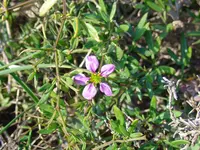
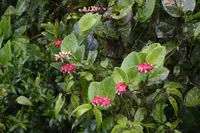
Salt-spray tolerance
If grown near the coast, allow some exposure to sea breeze and mild salt spray, as this desert coastal shrub is naturally tolerant and often performs better than more sheltered, humid inland sites.

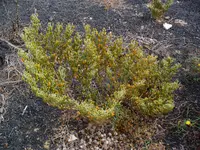
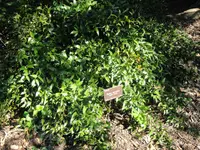
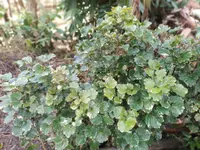
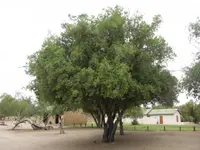
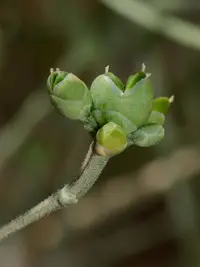
Zygophyllum fontanesii is a small, shrubby succulent native to arid and coastal regions of North Africa and the Middle East. It forms low, spreading mounds with thick, paired leaves that store water. Stems are often woody at the base, giving the plant a compact, durable structure.
This species is adapted to dry, saline, and sandy soils, so it copes well with heat, wind, and drought. Its slow, steady growth and low water demand make it suitable for xeriscapes and dry container plantings.
Gardeners who want to care for Zygophyllum fontanesii should provide strong light, sharp drainage, and only occasional watering, as the plant is easily damaged by excess moisture and poor air circulation.

Care Difficulty
Easy Care

Light Preference
Full Sun

Water Requirements
Low Water

Temperature Preference
Tropical / Frost Sensitive

Hardiness Zone
10–11

Soil Texture
Sandy, Loamy, Rocky

Soil pH
Neutral (7.0), Slightly alkaline (7.0–7.5)

Soil Drainage
Well-drained

Fertilization
Minimal (feed rarely)
Scan your plant to receive care tips personalized for your specific plant
Available on iOS and Android
This desert shrub thrives in high light and copes well with intense sun when established.
This species is drought-adapted and prefers infrequent, deep watering over light, frequent drinks.
This plant is adapted to warm, arid climates and does best where frost is minimal or absent.
This desert shrub tolerates very dry air and usually does not need special humidity management indoors or outdoors.
This species prefers very lean, fast-draining, sandy soil that never stays wet for long.
This plant can be grown in containers if the pot and substrate are managed to stay very dry between waterings.
This desert shrub grows on poor soils and usually needs little feeding, especially in-ground plants.
Pruning is light and mainly cosmetic, used to maintain shape and remove problem growth.
This species is more often grown in the ground, but container plants benefit from occasional repotting to refresh the soil.
Propagation is commonly done from seeds or semi-woody stem cuttings taken in warm seasons.
This desert shrub is not frost tolerant and needs protection in regions with cold winters.

Plant Health Check
Not sure what's wrong with your plant? Check your plant's health inside the app.
This species typically grows on coastal sand dunes and sandy plains in North Africa, anchoring loose sand with its root system and helping stabilize fragile shorelines.
The plant shows strong tolerance to both high salinity and prolonged drought, an adaptation that allows it to survive in arid, saline coastal habitats where few other shrubs persist.
Its small, yellowish flowers provide nectar and pollen that support local insect communities, including native bees in its Mediterranean and North African range.
This species performs best outdoors in hot, dry, coastal or desert-style conditions. Indoors it often becomes weak and leggy due to lower light and airflow, so Zygophyllum fontanesii indoor care is generally considered challenging and unreliable long term.
Keep your plants happy and healthy with plant identification, disease detection, and easy care guidance.