Encourage Bushy Form
After flowering, selectively shorten overly long shoots by 1/3 to an outward-facing bud to maintain a dense, wind-resistant shrub and stimulate new flowering wood for the next season.

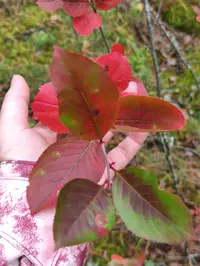
× Sorbaronia is a deciduous shrub genus hybrid, typically arising from crosses between Aronia and Sorbus species. It is mainly grown as an ornamental landscape plant, valued for its flowers, foliage, and colorful fruit. Plants usually form a medium-sized, multi-stemmed shrub with clusters of white spring blossoms, followed by small berry-like fruits and often strong red or orange autumn color. Most selections tolerate cold climates well and cope with a range of soils, which makes them relatively forgiving once established. To care for × Sorbaronia successfully, provide a sunny to lightly shaded position, moderately moist but well-drained soil, and avoid sites that stay waterlogged for long periods.

Care Difficulty
Moderate Care

Light Preference
Partial Sun

Water Requirements
Moderate Water

Temperature Preference
Cold Hardy

Hardiness Zone
4–7

Soil Texture
Loamy, Sandy, Organic-rich

Soil pH
Acidic (5.5–6.5), Slightly acidic (6.5–7.0)

Soil Drainage
Moist but well-drained

Fertilization
Minimal (feed rarely)
Scan your plant to receive care tips personalized for your specific plant
Available on iOS and Android
This shrub thrives in cool climates with moderate sun exposure and some daily shade.
This plant prefers evenly moist but not saturated soil, with adjustments based on weather and soil type.
This hardy shrub tolerates cold climates but grows best in moderate temperatures.
This hybrid shrub handles typical outdoor humidity but benefits from slightly moist air in hot, dry regions.
For stable growth, × Sorbaronia needs moderately fertile, moisture-retentive but free-draining soil.
This shrub can grow acceptably in containers when given a large, stable setup.
This hybrid shrub grows well in average soil; × Sorbaronia benefits from light, balanced feeding rather than heavy fertilization.
Pruning helps maintain structure and flowering performance without being intensive for × Sorbaronia.
This shrub is usually grown in the ground; transplanting × Sorbaronia is done infrequently and with care.
Propagation of × Sorbaronia is possible but more specialized, so it is not commonly done by home gardeners.
This hybrid shrub is generally cold hardy in temperate climates and needs only modest winter care outdoors.

Plant Health Check
Not sure what's wrong with your plant? Check your plant's health inside the app.
× Sorbaronia is a nothospecies, meaning it is a naturally occurring or cultivated hybrid, derived from crosses between Sorbus (rowans/whitebeams) and Aronia (chokeberries), combining traits from both parent genera.
The small, dark pomes produced by × Sorbaronia are typically too astringent for most people to enjoy raw, but they are an important late-season food for birds and small mammals, especially in cooler climates.
Many × Sorbaronia selections tolerate cold conditions characteristic of temperate and boreal regions, reflecting the hardiness inherited from both Sorbus and Aronia parent species.
The small dark fruits are generally considered edible and have been used for jams, jellies, and wines, though flavor can be astringent. Only use ripe, undamaged fruit and avoid eating leaves, bark, or seeds.
Keep your plants happy and healthy with plant identification, disease detection, and easy care guidance.