Sturdy Vertical Support
Install a strong trellis, wire system, or pergola rated to support at least 10–15 kg per vine, and secure main stems loosely with soft ties so the vigorous growth does not collapse or snap in wind.

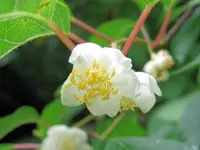
Silver vine, Actinidia polygama, is a deciduous climbing vine in the kiwi family, grown mainly for its ornamental foliage and wildlife value. It naturally occurs in cool, mountainous forests of Japan and parts of China, where it scrambles over trees and shrubs.
Mature plants produce heart-shaped leaves, often with striking silvery white patches near the tips, and small, fragrant white flowers. It grows vigorously and needs a strong support such as a trellis, arbor, or fence.
In suitable conditions it is generally robust, but its fast growth and size can make it less convenient for very small spaces. Understanding light, moisture, and support needs is key to how to care for silver vine.

Care Difficulty
Moderate Care

Light Preference
Full Sun

Water Requirements
Moderate Water

Temperature Preference
Cold Hardy

Hardiness Zone
4–8

Soil Texture
Sandy, Loamy, Organic-rich

Soil pH
Acidic (5.5–6.5), Slightly acidic (6.5–7.0)

Soil Drainage
Moist but well-drained

Fertilization
Light (every 4–6 weeks)
Scan your plant to receive care tips personalized for your specific plant
Available on iOS and Android
This vigorous vine prefers bright outdoor exposure with some protection from harsh midday sun.
This species prefers evenly moist, well-drained soil and does not tolerate long periods of drought or saturation.
This hardy climber tolerates cool winters but grows best in moderate, temperate conditions.
This species tolerates a wide humidity range and rarely needs special humidity management outdoors.
Actinidia polygama prefers loose, well-drained, organically enriched soil that stays evenly moist but not waterlogged.
This vine can be grown in large containers if the pot offers enough depth, support, and stability for vigorous climbing growth.
Actinidia polygama responds well to light, consistent feeding during the active growing season.
Pruning Actinidia polygama manages size, light penetration, and flowering wood.
This climbing species is usually grown in the ground, so focus on careful transplanting rather than frequent repotting.
Actinidia polygama is most often propagated from semi-ripe cuttings or layered stems.
This vine is generally cold hardy in temperate climates but benefits from modest winter preparation.

Plant Health Check
Not sure what's wrong with your plant? Check your plant's health inside the app.
The leaves and stems contain iridoid compounds such as actinidine that trigger rolling, rubbing, and licking behavior in many domestic cats, similar to but chemically distinct from nepetalactone in catnip.
Mature plants often develop leaves with a striking silvery-white coating on the upper surface near the tips of shoots, which is caused by dense reflective hairs that may help protect tissues from intense light and attract pollinators to nearby flowers.
This deciduous woody vine is naturally adapted to cool-temperate mountain forests in East Asia and tolerates winter cold far better than most kiwifruit relatives, surviving in regions that regularly drop well below freezing.

This species produces separate male and female plants (it is dioecious), so only female vines set the small orange fruits, and they require pollen from a nearby male plant of the same species for successful fertilization.
Poor flowering usually comes from insufficient light, young age, or heavy pruning at the wrong time. Nutrient-poor or very nitrogen-rich soil can also reduce buds. Maintain steady conditions and avoid cutting off flower-bearing stems before bloom.
Keep your plants happy and healthy with plant identification, disease detection, and easy care guidance.