African asparagus fern Care (Asparagus asparagoides)

Also known as: Cape Smilax, Smilax, Bridal creeper, Bridal Asparagus
African asparagus fern

About African asparagus fern

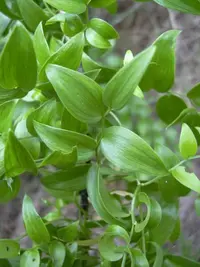
African asparagus fern, Asparagus asparagoides, is a twining, vining plant grown for its delicate, glossy leaf-like cladodes that resemble soft foliage. Stems can climb or trail, so it suits hanging baskets, trellises, or mixed containers.

In nature it occurs in southern Africa, often in scrub and forest margins, where it can grow vigorously under mild conditions. The plant is generally robust and adapts well indoors if given bright, indirect light, evenly moist but not waterlogged soil, and moderate humidity.

Once established, it can grow quickly and may need regular trimming to stay tidy. Understanding how to care for African asparagus fern helps prevent issues like yellowing foliage or weak, sparse growth.

Main Plant Requirements

Care Difficulty

Moderate Care

Light Preference

Partial Shade

Water Requirements

Moderate Water

Temperature Preference

Warm Climate

Hardiness Zone

9–11

Soil Texture

Sandy, Loamy, Organic-rich

Soil pH

Acidic (5.5–6.5), Slightly acidic (6.5–7.0)

Soil Drainage

Well-drained

Fertilization

Light (every 4–6 weeks)

Get Personalized Care Plan

Scan your plant to receive care tips personalized for your specific plant

Available on iOS and Android

How to Care for the African asparagus fern

This scrambling climber prefers bright but softened light to maintain dense, healthy foliage.

  • Provide 3–5 hours of gentle morning sun with bright, filtered light the rest of the day to reduce leaf scorch risk.
  • Tolerates partial shade, but very deep shade leads to sparse, pale growth; thin or yellowing stems indicate it needs a brighter spot.
  • In hot summers, shield African asparagus fern from harsh midday and afternoon sun, especially in exposed west- or south-facing positions.

This species prefers evenly moist, well-drained soil rather than extremes of dryness or saturation.

  • Water when the top 2–4 cm of soil feels dry, allowing moisture to reach the root zone without leaving the soil soggy.
  • In active growth and heat, drying will occur faster; in cool seasons or reduced light, extend intervals so the surface stays dry slightly longer.
  • Watch for yellowing, mushy stems as a sign of overwatering and crisp, browning leaf tips or rapid leaf drop as signs the plant stayed too dry.

This plant grows best in mild, frost-free conditions with stable temperatures.

  • Optimal growth occurs around 65–75°F (18–24°C), where stems extend steadily and foliage remains dense.
  • It tolerates brief dips to about 40°F (4°C) but suffers foliage damage near freezing and should be protected from frost.
  • In hot spells above 85°F (29°C), growth may slow; provide shade, mulch around roots, and consistent moisture to limit heat stress.

This species grows best in moderate household humidity but tolerates slightly drier air.

  • Aim for 40–60% humidity; it copes with brief dips lower if soil moisture is stable.
  • Dry tips, yellowing fronds, and spider mite outbreaks indicate African asparagus fern is stressed by overly dry air.
  • Increase humidity with a nearby open tray of water and pebbles, grouped plants, or a room humidifier rather than frequent misting.

Asparagus asparagoides prefers a loose, airy mix that drains quickly but holds some moisture.

  • Use a base of peat- or coco-based potting mix blended with 20–30% perlite and/or coarse sand for structure and drainage.
  • Aim for slightly acidic to neutral pH, roughly 6.0–7.0, which supports nutrient availability and healthy root function.
  • Mix in a modest amount of fine compost to boost organic matter without making the substrate heavy or waterlogged.
  • Avoid dense clay, unamended garden soil, or any mix that stays wet for more than 2–3 days after watering.

This species is well suited to container growing and trailing displays.

  • Choose a wide, stable pot to support its scrambling stems and prevent tipping as vines lengthen and gain mass.
  • Select a container material that matches your climate, using terracotta to reduce moisture retention in cool, low-light settings.
  • Keep the root zone shallow rather than very deep, as this encourages lateral root spread and more even moisture use in the substrate.

This twining vine responds well to light, consistent feeding during the active growing season.

  • Use a balanced liquid fertilizer (around 10-10-10 NPK) at 1/2 strength every 4–6 weeks in spring and summer.
  • Alternatively, apply a slow-release balanced fertilizer once in early spring for steady nutrition.
  • Supplement container plants with a thin layer of fine compost on the soil surface, avoiding direct contact with stems.
  • Reduce feeding of African asparagus fern to once in late winter or stop entirely if growth is very slow.

Asparagus asparagoides benefits from periodic pruning to manage spread and maintain a tidy shape.

  • Carry out main pruning in late winter or early spring before vigorous new growth starts.
  • Remove dead, yellowing, or damaged stems at the base using clean, sharp scissors or hand pruners.
  • Thin out crowded, tangled vines to improve light and air flow and to control overall size.
  • Shorten excessively long stems to encourage branching and a fuller, denser plant form.

This species forms a dense root system that occasionally needs more space, especially in containers.

  • Check for roots circling the pot base, bulging sides, or slow growth as signs it needs repotting.
  • Plan transplanting or repotting in early spring, about every 2–3 years for actively growing potted plants.
  • Move Asparagus asparagoides into a container 2–5 cm wider, using fresh, well-drained potting mix.
  • Water thoroughly after shifting, then keep soil slightly moist and shade the plant for a few days to limit stress.

New plants are most reliably produced by division or by sowing ripe seeds.

  • Divide clumps in early spring, lifting the root mass and gently separating sections with several shoots and roots each.
  • Replant divisions immediately into moist, well-drained soil and keep shaded until new growth resumes.
  • Sow fresh seeds in spring in a free-draining seed mix, barely covered, at 65–75°F for best germination.
  • Maintain evenly moist, not waterlogged, conditions and bright, indirect light until seedlings or divisions establish.

This vine is only moderately frost tolerant and benefits from basic winter protection in colder climates.

  • In regions below about 25°F, grow Asparagus asparagoides in containers and overwinter indoors in bright, cool light.
  • Apply a 5–8 cm mulch layer over outdoor root zones in late fall to buffer soil temperature swings.
  • Avoid waterlogged soil in winter; allow the top layer to dry slightly between waterings to discourage rot.

Care Tips

Provide climbing support

Install a small trellis, mesh, or taut horizontal wires in the pot so the wiry stems can climb and spread, which reduces tangling and makes pruning and inspection much easier.

Regular stem renewal

Each spring, remove a portion of the oldest, bare, or woody vines at the base to stimulate fresh, leafy growth and keep the plant dense rather than straggly.

Root containment check

Inspect roots every 12–18 months and, if they circle tightly, either step up to a slightly larger pot or trim back the outer 10–20% of the root ball to prevent the plant from becoming pot-bound and stressed.

Systematic pest scouting

Once a week, check the undersides of leaves and stem nodes with a hand lens for spider mites, scale, and mealybugs, and treat early with insecticidal soap or horticultural oil if any are seen.

Outdoor quarantine protocol

If the plant spends summer outdoors, keep it isolated from garden beds and other containers, then inspect and rinse foliage thoroughly before bringing it back indoors to limit hitchhiking pests when caring for African asparagus fern.

Common Pests and Diseases

Spider mites

This pest often appears on indoor or sheltered plants, causing fine webbing, yellow stippling, and gradual leaf thinning on the soft cladodes. Infestations increase in warm, dry air and can cause overall decline if not managed.

Solution

Rinse foliage thoroughly with a strong but gentle stream of water, including leaf undersides, then increase humidity and reduce heat stress. For persistent problems, apply insecticidal soap or a horticultural oil labeled for mites every 7–10 days, isolating the plant until new growth appears clean as part of African asparagus fern indoor care.

Scale insects

These insects attach to stems and leaf bases as small bumps, sucking sap and leading to yellowing, wilting, and sticky honeydew deposits. Heavy infestations can weaken vines and reduce new growth.

Solution

Physically remove visible scale with a cotton swab dipped in 70% isopropyl alcohol, then wash the plant with lukewarm water and mild soap. Follow up with repeated applications of horticultural oil targeted at the crawler stage, and keep the plant isolated and monitored for several weeks.

Mealybugs

This pest appears as white, cottony masses in stem joints, on roots, and along tender growth, causing leaf yellowing and distorted new shoots. Honeydew from feeding encourages sooty mold growth on the foliage surface.

Solution

Inspect stems, nodes, and potting mix closely, then remove visible mealybugs with alcohol-dipped cotton swabs and rinse the plant under tepid water. Treat remaining insects with insecticidal soap or a systemic product labeled for ornamental houseplants, repeating treatments at 7–14 day intervals until no new clusters appear.

Sooty mold

This disease is a fungal growth that develops on honeydew left by sap-sucking insects, forming black, sooty coatings on leaves and stems. Symptoms include dull, darkened foliage and reduced photosynthesis, although the fungus does not penetrate plant tissues.

Solution

Address underlying pests such as scale, mealybugs, or aphids first, then gently wipe or rinse affected foliage with lukewarm water and a mild soap solution. Improve air circulation and light levels so washed leaves dry quickly, and prune heavily coated or shaded stems if necessary.

Rust

This disease causes small orange, brown, or rust-colored pustules on the undersides of cladodes and stems, sometimes with yellow spots on upper surfaces. In severe cases, affected foliage yellows and drops prematurely, reducing the plant’s vigor.

Solution

Remove and discard affected stems and any fallen infected material, avoiding composting. Improve spacing and airflow, avoid wetting the foliage when watering, and if the problem persists, use a fungicide labeled for rust on ornamental plants, treating new growth and monitoring regularly for recurrence.

Interesting Facts

Climbing smilax relative

This species is a scrambling climber with twining stems and flattened leaf-like structures called cladodes, which are modified stems rather than true leaves. It can climb or trail several meters by leaning and weaving through surrounding vegetation rather than using tendrils or adhesive roots.

Brightly colored bird-dispersed berries

It produces glossy red to orange berries that are eaten by birds, which then disperse the seeds over long distances. This bird-mediated dispersal is a major reason the plant naturalizes so efficiently in mild, frost-free regions outside its native range.

Serious invasive weed status

In countries such as Australia and New Zealand, this species is listed as a serious environmental weed because it forms dense ground and canopy mats that outcompete native plants. It spreads both by seed and by persistent underground tubers, which can resprout after attempts at removal.

Botan icon

Did you know?

In parts of New Zealand, dense infestations of this species are sometimes managed under long-term regional pest management plans that may include plant bans, sale restrictions, and coordinated control programs, reflecting its high ecological impact compared with many other ornamental climbers.

FAQs about African asparagus fern

This species often flowers best when slightly root-bound, with stable warmth and moderate light. Lack of blooms usually relates to age, nutrient imbalance, or irregular seasons. Environmental stress or frequent repotting can also delay or reduce flowering.

Grow Healthy Plants with Botan Care

Keep your plants happy and healthy with plant identification, disease detection, and easy care guidance.

Botan plant care app — identify plants on mobile

Explore More Plants