autumn onion Care (Allium stellatum)

Also known as: Prairie Onion
autumn onion

About autumn onion

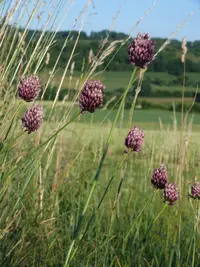
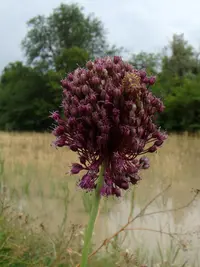
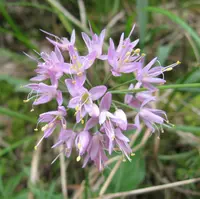
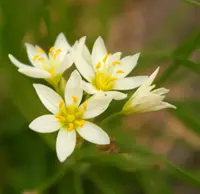
Autumn onion (Allium stellatum) is a small, hardy bulb-forming perennial in the onion family, grown mainly for its starry pink to lavender flower clusters. Plants form narrow, grasslike leaves and upright stems topped with rounded flower heads that attract bees and butterflies in late summer to early fall.

In the wild, it occurs in prairies and rocky outcrops of central North America, where conditions are sunny and soils are often dry and well drained. These natural adaptations make it relatively easy to grow in average garden beds or rock gardens, as long as excess moisture is avoided. Basic knowledge of how to care for autumn onion focuses on providing good light, well-drained soil, and avoiding waterlogged spots.

Main Plant Requirements

Care Difficulty

Easy Care

Light Preference

Full Sun

Water Requirements

Low Water

Temperature Preference

Cold Hardy

Hardiness Zone

3–8

Soil Texture

Sandy, Loamy, Rocky

Soil pH

Slightly acidic (6.5–7.0), Neutral (7.0)

Soil Drainage

Well-drained

Fertilization

Minimal (feed rarely)

Get Personalized Care Plan

Scan your plant to receive care tips personalized for your specific plant

Available on iOS and Android

How to Care for the autumn onion

Allium stellatum thrives in open, sunny sites with strong light for compact growth and good flowering.

  • Provide 6–8 hours of direct sun daily; full sun is best, especially in cooler climates where light intensity is lower.
  • Tolerates light afternoon shade in hotter regions; aim for strong morning sun and avoid dense shade, which causes weak, floppy stems and fewer blooms.
  • In late spring and summer, ensure nearby plants do not overshadow autumn onion as they leaf out, since shading reduces flower production.

Allium stellatum prefers relatively dry conditions and is sensitive to waterlogged soil.

  • Water only when the top 3–5 cm of soil is dry, then soak the root zone thoroughly and let excess drain away.
  • During active growth in spring and early summer, use rainfall plus occasional deep watering; reduce watering sharply after flowering as foliage begins to yellow.
  • Ensure sharply drained soil; signs of overwatering include yellow, mushy bulbs or a sour smell, while underwatering shows as premature leaf browning and stunted stems.

This hardy bulb tolerates wide temperature swings but has specific ranges for best performance.

  • Optimal active growth occurs around 60–75°F (16–24°C) in spring; flowering holds well if daytime highs stay below about 85°F (29°C).
  • Dormant bulbs tolerate winter cold down to about -30°F (-34°C) in the ground when soil drains well and is not saturated.
  • In very hot spells above 90°F (32°C), foliage may decline earlier; allow natural dormancy and avoid heavy watering during these high-temperature periods.

Humidity is not a significant factor for Allium stellatum, which is adapted to dry prairie air.

Allium stellatum prefers lean, well-drained soil that mimics its native prairie habitat.

  • Use sandy or gritty loam with low to moderate organic matter to keep the root zone open and airy.
  • Ensure very fast drainage; mix mineral sand or fine gravel into loam at about 30–50% by volume.
  • Keep soil slightly acidic to neutral, around pH 6.0–7.2, avoiding strongly acidic or alkaline sites.
  • Avoid heavy clay or compacted ground; raise the planting area or use berms to prevent waterlogging around bulbs.

This species is suitable for container growing outdoors if drainage is excellent.

  • Choose a pot at least 20–25 cm deep to allow full bulb and root development without crowding.
  • Use a heavier container material or add topdressing gravel to reduce tipping from the tall flowering stems.
  • Elevate the pot on feet or bricks so drainage holes remain clear and water cannot pool under the container.

Allium stellatum usually grows well in average soil and needs only light feeding to support flowering.

  • Apply a balanced slow-release fertilizer (for example 10-10-10) at half strength once in early spring as growth starts.
  • In richer soils, use a thin layer of compost around clumps instead of granular fertilizer.
  • Do not feed again after midsummer so the bulbs can mature and enter dormancy naturally.
  • Avoid fertilizing dormant bulbs in fall and winter to reduce rot risk when caring for autumn onion.

Allium stellatum needs minimal pruning, mainly to keep clumps tidy and support bulb health.

  • In late fall or after hard frost, cut back dry flower stalks and foliage to just above soil level.
  • During the growing season, remove only damaged or diseased leaves with clean, sharp scissors or hand pruners.
  • Deadhead spent blooms if seed is not desired, which helps the plant direct energy back to bulbs.
  • Avoid heavy cutting of green foliage, since this reduces photosynthesis and weakens next year’s flowering.

This species is more often grown in garden beds than containers, so focus on dividing and transplanting crowded clumps.

  • Plan transplanting or division in fall after foliage dies back, or very early spring before new growth starts.
  • Look for tight, congested clumps or declining flowering every 3–4 years as a sign bulbs need lifting and division.
  • Gently dig up the clump, shake off soil, separate bulbs by hand, and replant at the same depth in well-drained soil.
  • Water lightly after replanting, then keep soil just barely moist to limit root stress and encourage re-establishment.

Allium stellatum is commonly propagated by bulb division and sometimes by seed in suitable outdoor conditions.

  • Divide mature clumps in fall, separating firm, healthy bulbs with visible roots for replanting.
  • Replant divisions at similar depth and spacing, in sunny, well-drained soil, and water once to settle soil.
  • For seed, allow some flower heads to dry, then sow outdoors in fall for natural cold stratification.
  • Keep seed area evenly moist but not soggy; seedlings may take 2–3 years to reach flowering size.

Allium stellatum is cold hardy in much of North America and usually needs little winter care in the ground.

  • Allow foliage to die back naturally before cutting it down, so bulbs store enough energy.
  • In very cold or exposed sites, add a light 5–7 cm mulch layer after the ground cools, not before.
  • Container-grown plants benefit from moving pots to a sheltered, unheated area to avoid repeated freeze-thaw cycles.

Care Tips

Mark Bulb Clumps

After flowering, mark clump locations with discreet stakes or labels so you can find and divide dormant bulbs accurately in late summer without disturbing nearby perennials.

Timed Bulb Division

Every 3–4 years, lift and divide crowded clumps just after foliage dies back but before the soil fully cools, replanting offsets at the same depth to maintain flowering quality and prevent bulb decline.

Support in Mixed Borders

In windy or exposed sites, plant among low, sturdy perennials or use subtle ring supports early in the season to keep the slender flowering stems upright and visible.

Seed Head Management

Allow some seed heads to mature and dry for self-sowing or seed collection, but remove the rest promptly to direct more resources back into the bulbs and keep the planting tidy.

Targeted Winter Protection

In colder microclimates or exposed beds, apply a 3–5 cm layer of loose mulch after the soil has frozen to buffer temperature swings, then remove most of it in early spring to avoid smothering new shoots when growing autumn onion.

Common Pests and Diseases

Onion thrips

This pest feeds by rasping and sucking sap from leaves and flower stalks, causing silvery streaks, tiny white spots, and gradual leaf yellowing. Symptoms include reduced vigor and distorted flower heads in dry, warm weather.

Solution

Monitor foliage and flower stalks regularly, then remove and destroy heavily infested leaves. Use a strong water spray to dislodge thrips, encourage natural predators like lacewings by avoiding broad-spectrum insecticides, and, if needed, apply a targeted insecticidal soap or spinosad spray, making sure to cover leaf bases and undersides.

Allium leaf miner

This pest is a small fly whose larvae tunnel inside leaves and stems, leaving winding mines, puncture rows, and weak, collapsing foliage. Symptoms include stunted growth and possible rotting of infested bulbs at the neck.

Solution

Remove and destroy affected leaves and bulbs promptly to break the life cycle, and avoid composting infested material. Use fine insect mesh or row covers over plants during known flight periods, and rotate planting areas each year to reduce overwintering populations in the soil.

Onion smut

This disease is caused by a soil-borne fungus that infects young seedlings, creating dark, sunken streaks and blister-like lesions on early leaves. Symptoms include distorted growth and weakened plants that may fail to establish properly.

Solution

Avoid planting in beds where onions or other Allium species with smut problems have grown in recent years, and use clean, well-drained soil. Sow or plant only healthy stock, destroy infected seedlings early, and consider hot-water-treated or fungicide-treated seed in areas with a known history of smut.

Downy mildew

This disease produces pale, yellowish patches on leaves that later develop gray-violet, fuzzy growth, especially in cool, moist conditions. Symptoms include weakened foliage, premature leaf collapse, and reduced flowering.

Solution

Improve spacing and airflow, water at soil level in the morning, and avoid overhead irrigation that keeps foliage wet for long periods. Remove and discard affected leaves, clear plant debris at season’s end, and in high-pressure areas consider preventive use of a labeled copper-based fungicide, following directions carefully.

Neck and bulb rot

This disease complex involves fungi that enter through leaf or neck wounds, leading to soft, watery tissue around the neck and progressing down into the bulb, often after flowering or during storage. Symptoms include sunken, discolored scales and a foul smell as the bulb breaks down.

Solution

Allow foliage to dry naturally before lifting bulbs, and harvest only in dry weather to reduce neck injury. Cure bulbs in a warm, airy place, discard any soft or damaged bulbs, and store only firm, clean bulbs in a cool, dry, well-ventilated area to limit spread during storage.

Interesting Facts

Great Plains specialist

This species is native primarily to the central North American prairies and rocky outcrops, where it is adapted to well-drained, often shallow soils and periodic drought.

Late-season nectar source

It typically blooms in late summer to early fall, providing pink to rose-purple flowers that serve as an important late-season nectar and pollen source for native bees and other pollinators.

Distinctive nodding buds

The flower stalks often bear nodding, downward-facing buds that gradually become upright as the star-shaped flowers open, a trait that helps distinguish it from some other ornamental alliums.

Botan icon

Did you know?

Archaeological and ethnobotanical evidence indicates that Indigenous peoples of the central United States historically used the bulbs and leaves of this species as a wild seasoning and food resource, recognizing its mild onion-like flavor long before it appeared in ornamental horticulture.

FAQs about autumn onion

Lack of flowering usually comes from bulbs being too young, overcrowded, shaded, or depleted by poor nutrition. Ensure enough sun, avoid excessive nitrogen fertilizer, and divide congested clumps every few years to restore flowering.

Grow Healthy Plants with Botan Care

Keep your plants happy and healthy with plant identification, disease detection, and easy care guidance.

Botan plant care app — identify plants on mobile

Explore More Plants