Hintapink Care (Russula paludosa)

Hintapink

About Hintapink

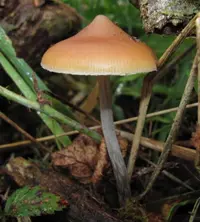
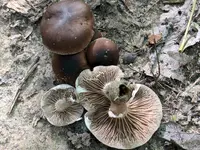
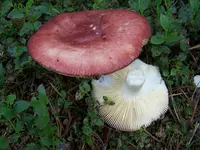
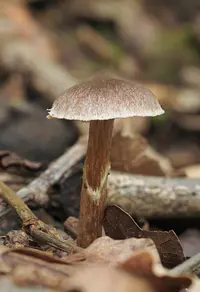
Hintapink is the common name for Russula paludosa, a fleshy wild mushroom rather than a typical garden plant. It forms stout, medium to large caps with a pink to red surface and pale, brittle gills underneath. The stem is usually white to slightly flushed with pink and has a firm but crumbly texture. This species naturally occurs in cool, moist coniferous forests, often in boggy or swampy areas across northern Europe and parts of North America. Russula paludosa relies on a mycorrhizal partnership with tree roots, so it cannot be grown like a normal potted plant. As a result, how to care for Hintapink focuses more on protecting its woodland habitat than on home cultivation.

Main Plant Requirements

Care Difficulty

Hard Care

Light Preference

Partial Shade

Water Requirements

Keep Soil Moist

Temperature Preference

Cool Climate

Hardiness Zone

Unknown

Soil Texture

Sandy, Loamy, Organic-rich

Soil pH

Strongly acidic (4.5–5.5), Acidic (5.5–6.5)

Soil Drainage

Moist but well-drained

Fertilization

Minimal (feed rarely)

Get Personalized Care Plan

Scan your plant to receive care tips personalized for your specific plant

Available on iOS and Android

How to Care for the Hintapink

Russula paludosa grows best in cool, forested conditions with gentle, indirect light.

  • Provide dappled or filtered light under conifers or mixed woodland, with only 1–3 hours of weak morning sun reaching the forest floor.
  • Allow partial shade to deep shade; dense canopy cover protects fruiting bodies from drying and sunscald, which occur under direct midday or afternoon sun.
  • In summer, maintain shade from leaf or needle cover; Hintapink fruits most reliably where light stays low but constant through the season.

Russula paludosa depends on consistently moist, cool soil rather than direct watering of the mushrooms themselves.

  • Maintain forest soil evenly moist; top 2–5 cm should feel damp, not saturated, and never crack or turn powder-dry.
  • Ensure excellent drainage with loose, organic, slightly acidic soil; persistent puddling, sour smell, or slimy bases indicate overwatering or poor aeration.
  • During warm, dry periods, supplemental moisture for nearby trees or groundcover supports the mycelium; shrinking caps, brittle stems, and rapid cracking point to drought stress.

This species prefers cool to mild conditions that mimic shaded, northern or upland forests.

  • Aim for 50–68°F (10–20°C) for active growth and fruiting; stable cool temperatures favor reliable mushroom production.
  • Tolerates down to about 28–32°F (-2–0°C) for short periods, but prolonged hard frost can damage fruiting bodies, which are best harvested before repeated freezes.
  • Handles brief warm spells up to 77–80°F (25–27°C) if soil stays moist and shaded; sustained hotter, dry weather quickly reduces fruiting and can desiccate caps.

Humidity is not a meaningful care factor for Russula paludosa in cultivation, as this mycorrhizal fungus is not suited to standard indoor or potted growth.

Russula paludosa naturally associates with trees in wet, acidic forest soils rather than standard potting substrates.

  • Soils are typically peaty, highly organic, and often waterlogged yet still aerated by coarse plant debris and roots.
  • Aim for a loose, fibrous structure with conifer litter, sphagnum moss, and decomposed bark to mimic its native boggy woodland conditions.
  • The fungus favors clearly acidic conditions, usually around pH 3.5–5, which can be maintained with pine needle mulch and avoiding lime or alkaline amendments.
  • Avoid compacted mineral soil, heavy clay, or strongly fertilized mixes, as these disrupt the tree–fungus relationship essential for Russula paludosa.

This species is not realistically suitable for container growing, since it depends on complex mycorrhizal relationships with living trees rather than isolated pot culture like one might expect when growing Hintapink.

Russula paludosa is a wild ectomycorrhizal fungus that does not need direct fertilization, so focus on supporting the host trees and soil instead of applying plant food to the mushrooms.

Russula paludosa is a wild mushroom with no pruning needs, since fruiting bodies are temporary and the main organism lives hidden as mycelium in the soil.

This forest-dwelling ectomycorrhizal fungus is not suited to normal repotting, since it depends on living trees and undisturbed soil conditions.

  • Avoid lifting or disturbing soil where fruiting bodies appear, because this damages the underground mycelium network.
  • Do not attempt to transplant the mushrooms themselves; the visible caps are only the fruiting stage.
  • In managed woodlands or gardens, support associated trees instead, using minimal soil disturbance and avoiding heavy compaction.
  • If cultivating similar fungi, specialized mycorrhizal inoculation with host tree seedlings is required rather than classic pot repotting.

Propagation of Russula paludosa is specialized and not practical for home growers, since it relies on complex mycorrhizal relationships with host tree roots.

This species is naturally cold hardy in its native forests and needs no dedicated winter care from gardeners, since the mycelium survives freezing conditions in the soil.

Care Tips

Host tree selection

Establish plantings only near compatible conifers such as pine, spruce, or fir, since this ectomycorrhizal fungus depends on their roots and will not fruit reliably without a suitable host.

Minimal soil disturbance

Avoid digging, raking, or compacting the soil where mycelium is established, and use light footpaths or stepping stones so the underground network stays intact and can fruit consistently over several years.

Mulch with forest litter

Top-dress the area with a thin layer of clean conifer needles and fine woody debris from healthy trees to mimic natural forest duff while keeping the surface airy rather than smothered.

Water by drip line

When irrigating, focus water near the host tree’s drip line instead of directly at the trunk to encourage fine feeder roots where the fungus forms the most productive mycorrhizal associations, which is key for growing Hintapink.

Rotate harvest spots

Harvest gently by cutting or twisting mushrooms at the base and rotate collection areas each season so that some clusters remain untouched, allowing spores to spread and the colony to maintain long-term vigor.

Common Pests and Diseases

Mycophagous springtails

These insects feed on the fruiting bodies, nibbling gills and cap surface and sometimes hollowing out small cavities. Symptoms include pitted, scarred caps and gills that look chewed or dusty with tiny moving white or gray insects.

Solution

Harvest mushrooms promptly once caps expand and avoid leaving damaged or overmature fruiting bodies on the ground, since they attract and sustain populations. In small cultivation setups, reduce excess surface moisture, remove heavily infested specimens, and use fine mesh or physical barriers around beds rather than chemical treatments, which are not recommended for edible fungi.

Fungal gnat larvae

This pest develops in moist substrates rich in organic matter and can tunnel through young mushroom stems and caps. Symptoms include soft, water-soaked stems, collapsed small fruiting bodies, and tiny dark flies hovering near the substrate surface.

Solution

Keep cultivation substrates well-drained and avoid standing water, and promptly remove old or decomposing mushrooms that serve as breeding sites. In controlled environments, use sticky traps for adults, cover substrate with a breathable barrier such as fine mesh or a thin, clean casing layer, and improve air movement to make surfaces less attractive for egg laying.

Maggot infestation

This pest results from fly larvae (often fungus gnats or mushroom flies) burrowing into caps and stems, leaving tunnels and soft, discolored tissue. Symptoms include spongy or hollow stems, small exit holes in the cap, and larvae visible when the mushroom is cut open.

Solution

Pick fruiting bodies as soon as they reach usable size and discard any that show tunneling or softness, since larvae are already inside and cannot be removed effectively. To reduce further infestation, remove and dispose of all affected material, maintain good forest floor hygiene in managed picking areas, and in cultivation settings install fine mesh on vents and openings to reduce adult fly access.

Parasitic Hypomyces infection

This disease is caused by parasitic fungi such as Hypomyces species that colonize russula fruiting bodies, replacing normal gills with a deformed, often white to yellowish crust. Symptoms include warped caps, lost or blurred gill structure, and a powdery or felt-like layer on the surface.

Solution

Avoid harvesting or consuming any distorted mushrooms with crusty, overgrown surfaces, and remove them from managed beds to reduce spore spread. In cultivation, dispose of infected substrates away from the growing area, avoid reusing contaminated material, and maintain good spacing and airflow so fruiting bodies dry rapidly after rain or misting, which makes infection less likely.

Slugs and snails

These pests feed heavily on succulent caps and stems, often overnight, leaving large irregular holes and mucus trails. Symptoms include shredded cap edges, missing sections of flesh, and silvery slime on and around the mushrooms.

Solution

Hand-remove slugs and snails during damp periods, especially at dusk and after rain, and pick mushrooms early in the day before feeding peaks. In semi-managed or garden-based patches, use physical barriers such as copper tape, coarse grit, or low collars around beds, and avoid leaving boards, dense weeds, or debris that provide cool hiding places close to the fruiting area.

Interesting Facts

Bog specialist habitat

This species is closely associated with sphagnum bogs and wet coniferous forests, most often forming mycorrhizal partnerships with Scots pine on acidic, waterlogged soils.

Edible but variable

It is considered an edible mushroom in northern Europe, but its taste and texture vary noticeably with site conditions, so local foragers often check for mild, non-acrid flesh before collecting.

Color-changing flesh

The cap ranges from pinkish-red to brick-red, and the pale flesh slowly turns slightly grayish or brownish when bruised or cut, which helps distinguish it from some similar red brittlegills.

Botan icon

Did you know?

Russula paludosa plays an important role in nutrient cycling in nutrient-poor bog ecosystems by forming ectomycorrhizal associations with conifers, which improves tree access to nitrogen and phosphorus locked in cold, acidic peat soils.

FAQs about Hintapink

This mushroom is generally considered edible when correctly identified, but similar red-capped russulas can be toxic or cause stomach upset. Only experienced foragers should eat it and should always cross-check with multiple reliable identification resources.

Grow Healthy Plants with Botan Care

Keep your plants happy and healthy with plant identification, disease detection, and easy care guidance.

Botan plant care app — identify plants on mobile

Explore More Plants