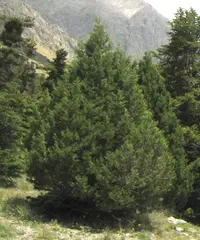
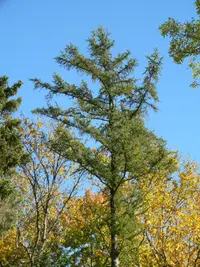
Pingo-pingo Care (Ephedra breana)

Pingo-pingo

About Pingo-pingo

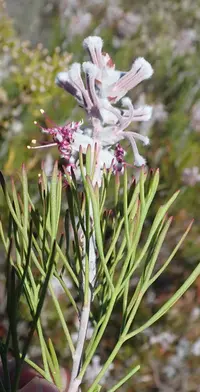
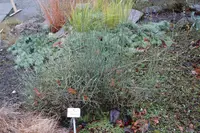
Pingo-pingo (Ephedra breana) is a small, woody shrub in the ephedra group, known for its thin, jointed green stems and very reduced, scale-like leaves. It tends to form low, dense clumps rather than broad leafy shrubs.

This species is native to arid and semi-arid regions of South America, typically growing in rocky, well-drained sites. Its drought tolerance and slow, compact growth habit influence how to care for Pingo-pingo in cultivation.

The plant prefers strong light, low to moderate moisture, and gritty, fast-draining soil. These traits make it potentially manageable for growers who can avoid overwatering and heavy, rich substrates.

Main Plant Requirements

Care Difficulty

Moderate Care

Light Preference

Full Sun

Water Requirements

Low Water

Temperature Preference

Warm Climate

Hardiness Zone

8–10

Soil Texture

Sandy, Rocky, Loamy

Soil pH

Slightly acidic (6.5–7.0), Slightly alkaline (7.0–7.5)

Soil Drainage

Well-drained

Fertilization

Minimal (feed rarely)

Get Personalized Care Plan

Scan your plant to receive care tips personalized for your specific plant

Available on iOS and Android

How to Care for the Pingo-pingo

This high-altitude shrub thrives in strong light and handles intense sun when established.

  • Provide 6–8 hours of direct sun daily; full sun is ideal, especially in dry, open sites where Pingo-pingo naturally grows.
  • Accepts light partial shade, but growth becomes more open and sparse if it receives under 4–5 hours of direct sun.
  • In very hot lowland climates, protect from harsh late-afternoon sun with light shade, and ensure no shading from taller plants in winter when the sun angle is low.

This desert-adapted species prefers dry, sharply drained conditions and is very sensitive to excess moisture.

  • Water only when the top 5–8 cm of soil are completely dry; in the ground this often means long intervals between deep soakings.
  • Increase watering slightly in the main growth period if stems look thinner or tips begin to shrivel, then allow the soil to dry fully again.
  • Reduce or stop supplemental water in cool or rainy seasons; yellowing, soft stems or persistent damp soil indicate overwatering for Ephedra breana.

This species is adapted to wide temperature swings but prefers warm, dry conditions during active growth.

  • Optimal growth occurs around 65–80°F (18–27°C), especially in sunny, arid locations with good air movement.
  • Tolerates heat up to about 95–100°F (35–38°C) if soil is very well drained and air is dry, but prolonged humid heat increases rot risk.
  • Mature plants often survive brief drops near 15–20°F (-9 to -6°C); young plants benefit from protection from hard frost and freezing winds.

This desert shrub tolerates low humidity and rarely needs special moisture management indoors.

  • Aim for 20–40% humidity, similar to arid indoor air, which suits Pingo-pingo well.
  • Dry air is usually harmless; problems arise more from excess moisture than from low humidity.
  • If stems wrinkle or tips blacken, check for root issues or overwatering rather than trying to raise humidity.

This species prefers very lean, rocky, fast-draining substrates that mimic desert slopes.

  • Use a gritty, sandy mix such as 50–70% coarse sand or fine gravel blended with cactus mix for Ephedra breana.
  • Keep organic matter low; add only a small portion of compost to avoid moisture retention and compaction.
  • Aim for slightly alkaline to neutral pH around 7.0–8.0, which supports mineral-rich desert conditions.
  • Avoid clay-based or peat-heavy mixes that stay wet and reduce aeration around the fine roots.

This species adapts well to container growing when drainage and root depth are prioritized.

  • Choose a deep, narrow pot that allows the taproot to extend downward without curling tightly.
  • Use a heavy, stable container material such as clay to prevent tipping as the stems become woody and stiff.
  • Elevate the pot or use pot feet so drainage holes release water quickly and the lower root zone stays aerated.

Ephedra breana is adapted to lean, rocky soils and usually needs little or no fertilizer in the ground.

  • For container-grown plants, use a low-dose, balanced NPK liquid fertilizer at 1⁄4–1⁄2 strength in spring and early summer.
  • Feed only every 6–8 weeks during active growth to avoid weak, lush shoots.
  • Stop feeding in late summer so stems harden before winter dormancy.
  • Apply any product to moist soil to lower the risk of root burn when caring for Pingo-pingo.

Ephedra breana benefits from light structural pruning to maintain form and remove damaged growth.

  • Carry out pruning in late winter or very early spring, before new growth starts.
  • Use clean, sharp bypass pruners to remove dead, diseased, or crossing stems at the base.
  • Thin congested stems slightly to improve light and air movement through the plant.
  • Limit cutting of healthy green shoots, as heavy pruning can reduce vigor and future flowering.

This species is more often grown in the ground, where transplanting needs are minimal once established.

  • Transplant young plants in early spring when soil is workable and temperatures are mild.
  • Look for circling roots, root-bound containers, or declining vigor as signs a potted plant needs a larger pot.
  • Move up only 1 pot size, using a very free-draining, sandy or gritty mix to mimic native conditions.
  • Water thoroughly after planting, then allow the soil to dry slightly between waterings to limit root stress.

Ephedra breana is typically propagated from seed, with rooting of cuttings less common and slower.

  • Sow fresh seeds in late winter or early spring in a gritty, well-drained medium.
  • Provide bright light, good air flow, and cool to moderate temperatures for even germination.
  • Lightly cover seeds, keep the mix just moist, and be patient, as germination may be gradual.
  • Once seedlings form several true shoots, harden them off before planting into their permanent site.

Mature Ephedra breana is generally cold hardy in suitable climates and needs limited winter attention.

  • In regions with severe freezes, apply a light, dry mulch around the root zone, avoiding direct stem contact.
  • Ensure soil drains well; prolonged winter wet around the roots is more harmful than low temperatures.
  • For container plants in colder areas, move pots to a sheltered, unheated but frost-free location.

Care Tips

Encourage Deep Rooting

Place a 2–4 cm layer of coarse gravel around the root zone to keep the root collar dry and to encourage deep, drought-resilient roots rather than shallow, weak surface roots.

Improve Drainage Gradient

When planting in the ground or a large container, create a 5–10 cm deep lower layer of coarse mineral material (gravel, pumice, or crushed stone) under the main soil mix to mimic the rocky slopes this species prefers and reduce risk of root rot.

Manage Wind Exposure

Site plants where they receive regular air movement but are sheltered from extreme, constant winds by a low wall, rock, or shrub so stems stay upright but are still hardened by mild wind stress.

Use Minimal Mulching

If mulching, keep mulch very thin (0.5–1 cm) and mineral-based around the base so stems stay dry and rodent damage is reduced, as organic, thick mulch can trap moisture and cause stem rot in this species.

Monitor Winter Wetness

In regions with cool, wet winters, slightly mound the planting area or use a raised bed so excess rain drains quickly away from the crown, which is critical for Ephedra breana care in heavy soils.

Common Pests and Diseases

Scale insects

This pest feeds on stems and joint areas, sucking sap and causing gradual yellowing, stunting, and dieback of thin shoots. Symptoms include small, round, brown or gray bumps firmly attached to the green stems.

Solution

Prune and discard heavily infested stems, then gently scrub remaining stems with a soft brush dipped in diluted insecticidal soap or horticultural oil, taking care not to damage the green tissue. Repeat treatments every 7–10 days until new growth appears clean, and avoid overfertilizing, which can encourage sap-feeding insects when caring for Pingo-pingo.

Spider mites

These insects thrive in hot, dry, windy sites and can cause fine stippling, dull discoloration, and webbing on slender, photosynthetic stems. Symptoms include a dusty look on stems and reduced vigor in exposed, drought-stressed plants.

Solution

Direct a firm stream of water over stems to dislodge mites, then apply a horticultural oil or insecticidal soap thoroughly to all green tissue, repeating weekly until no new webbing appears. Reduce stress by maintaining appropriate but not excessive soil moisture and avoiding prolonged overhead dust accumulation on outdoor plants.

Stem canker

This disease affects older or stressed stems, leading to sunken, dark lesions that can girdle and kill individual segments. Symptoms include localized stem browning, cracking, and dieback progressing from the infected area outward.

Solution

Cut out affected stem sections back to healthy green tissue using sterilized pruners, and discard all infected material away from the planting area. Improve air circulation, avoid mechanical damage to stems, and limit overhead irrigation to keep stem surfaces as dry as possible, especially in cool or humid conditions.

Stem blight

This disease can occur after mechanical injury or sudden wet, cool weather, causing rapid browning and collapse of young green stems. Symptoms include patchy necrosis on joints and tips that may spread quickly along shoots if not removed.

Solution

Promptly prune and destroy blighted shoots, disinfecting tools between cuts with alcohol or a 10% bleach solution. Ensure well-drained soil, avoid prolonged waterlogging around the crown, and space plants to allow quick drying after rain or irrigation to reduce future infections.

Interesting Facts

Andean desert specialist

This species is native to the extremely arid coastal and Andean zones of northern Chile and southern Peru, where it grows on rocky, nutrient-poor slopes exposed to intense sun and wind.

Jointed green stems

Ephedra breana has reduced, scale-like leaves and carries out most of its photosynthesis in green, jointed stems, an adaptation that reduces water loss in its desert habitat.

Wind-pollinated shrub

Like other ephedras, this species is gymnospermous and primarily wind-pollinated, producing small cone-like reproductive structures rather than true flowers.

Botan icon

Did you know?

Ephedra breana is part of a very ancient plant lineage, and its genus Ephedra is often cited in evolutionary studies as one of the few surviving groups of gymnosperms that bridge structural and reproductive traits between conifers and flowering plants.

FAQs about Pingo-pingo

This shrub has a relatively slow to moderate growth rate, often adding only a few centimeters of new stem each year. Growth is faster in well-drained, sandy soils and under consistent, dry, high-light conditions.

Grow Healthy Plants with Botan Care

Keep your plants happy and healthy with plant identification, disease detection, and easy care guidance.

Botan plant care app — identify plants on mobile

Explore More Plants