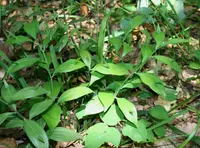
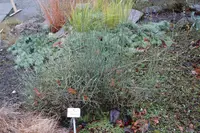
Blue blossom Care (Ceanothus thyrsiflorus)

Blue blossom

About Blue blossom

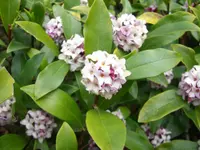
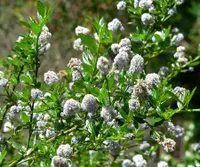
Blue blossom (Ceanothus thyrsiflorus) is an evergreen shrub known for its dense clusters of small, blue flowers and glossy, dark green leaves. It typically forms a rounded, bushy shape and can be grown as a specimen shrub or informal hedge.

This species is native to coastal California, where it grows on sunny slopes and well-drained soils. It is adapted to dry summers and mild, wet winters, which makes it relatively drought-tolerant once established.

Ceanothus thyrsiflorus grows best in full sun, with good drainage and low to moderate water. It can be sensitive to heavy soils and overwatering, so understanding how to care for Blue blossom helps maintain a healthy plant.

Main Plant Requirements

Care Difficulty

Moderate Care

Light Preference

Full Sun

Water Requirements

Low Water

Temperature Preference

Cold Hardy

Hardiness Zone

8–10

Soil Texture

Sandy, Loamy, Rocky

Soil pH

Acidic (5.5–6.5), Slightly acidic (6.5–7.0)

Soil Drainage

Well-drained

Fertilization

Minimal (feed rarely)

Get Personalized Care Plan

Scan your plant to receive care tips personalized for your specific plant

Available on iOS and Android

How to Care for the Blue blossom

Ceanothus thyrsiflorus thrives in bright, open sites with plenty of direct sun for best flowering.

  • Provide 6–8 hours of direct sun daily; full sun is ideal, though light afternoon shade helps in very hot inland areas.
  • Tolerates light or dappled shade, but too much shade leads to weak, leggy growth and fewer blooms on Blue blossom.
  • In cool or coastal climates, full sun all day is suitable; in hotter regions, prioritize morning sun with some protection from harsh late-afternoon rays.

Ceanothus thyrsiflorus prefers infrequent, deep watering once established, with soil drying between soakings.

  • During the first 1–2 years, water when the top 5–8 cm of soil is dry, soaking the root zone, then allow it to dry again.
  • In summer, watch foliage for slight dulling or mild leaf curl as a signal to water; avoid wet, spongy soil that indicates overwatering.
  • Ensure sharply drained soil; yellowing leaves and dieback suggest waterlogging, while crispy leaf edges and rapid wilting point to prolonged drought stress.

This shrub prefers mild, dry conditions and tolerates a useful range of outdoor temperatures when established.

  • Optimal growth occurs around 60–75°F (16–24°C), typical of coastal or mild Mediterranean-type climates.
  • Mature plants usually withstand drops to about 15–20°F (-9 to -6°C); young plants benefit from protection during hard frosts.
  • In heat above 90°F (32°C), provide soil mulch and avoid reflected heat from walls or paving to limit root stress and foliage scorch.

Humidity is not a major factor for Ceanothus thyrsiflorus in typical outdoor conditions.

This shrub needs sharply drained, moderately fertile soil to stay healthy and long-lived.

  • Use sandy or gravelly loam with 20–40% mineral grit (sharp sand or fine gravel) to prevent waterlogging.
  • Aim for slightly acidic to neutral pH, roughly 6.0–7.0, avoiding very alkaline, chalky sites where leaves may yellow.
  • In heavier soils, raise the planting area and mix in coarse sand and fine gravel to improve aeration and drainage.
  • Avoid compacted, low-lying, or consistently wet ground, which greatly increases the risk of root rot in Ceanothus thyrsiflorus.

This species can be grown in containers if the pot is prepared to prevent root stress and instability.

  • Choose a deep, heavy container that resists tipping, since top growth becomes dense and wind-sensitive as the plant matures.
  • Fill the pot with a very free-draining mix, such as 50% loam-based compost blended with coarse grit or sharp sand to speed water movement.
  • Raise the container on feet or spacers so drainage holes stay clear and water cannot pool under the base after rain or irrigation.

This drought-tolerant shrub needs only modest feeding, especially when grown as Blue blossom in lean, well-drained soil.

  • Use a light top-dressing of compost or well-rotted manure in early spring to support growth without excess vigor.
  • On poor soils, apply a low-rate balanced slow-release fertilizer (around 5-5-5 or similar) once in spring.
  • Avoid high-nitrogen products; keep any liquid feeds at 1/2 strength to prevent soft, weak growth.
  • Do not feed in late summer or winter, as this can push tender growth that is vulnerable to cold damage.

Ceanothus thyrsiflorus benefits from light, timely pruning to maintain shape and flowering performance.

  • Prune just after flowering in late spring to early summer so next year’s buds are not removed.
  • Use clean, sharp hand pruners to remove dead, diseased, or crossing stems back to healthy wood.
  • Thin congested interior growth to improve air flow and light penetration, keeping the plant compact and balanced.
  • Avoid cutting into very old, bare wood; focus on trimming younger shoots and lightly shaping the outline.

This shrub is usually grown in the ground, so focus on careful transplanting rather than frequent repotting.

  • Transplant in early spring or early fall when temperatures are mild and soil is workable.
  • Look for signs like circling roots, cracked pots, or stalled growth if Ceanothus thyrsiflorus is container-grown.
  • Move into a slightly larger container or planting hole with well-drained soil, keeping the root ball intact.
  • Water thoroughly after planting, then keep soil evenly moist but not waterlogged to limit transplant shock.

Ceanothus thyrsiflorus is commonly propagated from semi-ripe cuttings and, less often, from seed.

  • Take semi-ripe cuttings in mid to late summer, 7–10 cm long, from non-flowering shoots.
  • Remove lower leaves, lightly wound the base, and dip in rooting hormone to increase success.
  • Insert cuttings into a free-draining, low-peat mix and keep under bright, indirect light with high humidity.
  • For seeds, use fresh seed, scarify lightly, and provide a brief cold stratification to improve germination.

This species is moderately cold hardy but benefits from some winter attention in cooler regions.

  • Established plants usually tolerate short dips to about 10–15°F, especially in well-drained soil.
  • Apply a 5–8 cm mulch layer around the root zone in late fall, keeping it away from the main stem.
  • In very cold or windy sites, use a breathable shrub cover to shield stems from drying winds.
  • Move container plants to a sheltered, frost-free spot such as an unheated garage or cold greenhouse.

Care Tips

Wind-hardening young plants

In the first 1–2 seasons, use low, slack ties and short stakes to give light support while allowing stems to flex in wind, which encourages sturdier wood and reduces later storm damage.

Encourage wall coverage

When training against a wall or fence, fan out the main stems and fix them with soft ties to horizontal wires spaced 30–45 cm apart so flowering shoots develop evenly across the surface instead of bunching at the top.

Flowering wood renewal

Every 2–3 years, selectively remove 1–3 of the oldest, thickest stems at the base in late spring to stimulate fresh, flowering replacement shoots without shocking the plant.

Drought conditioning strategy

After the establishment period, extend the interval between deep waterings in late spring so roots are encouraged to grow deeper, which improves drought resilience when growing Blue blossom in dry-summer climates.

Mulch root zone smartly

Apply a 5–7 cm layer of coarse organic mulch in a wide ring that stops 10–15 cm short of the stems to keep roots cool, suppress weeds, and reduce soil moisture swings without risking rot at the crown.

Common Pests and Diseases

Honey fungus

This disease causes progressive dieback, poor vigor, and eventual death, often starting with one branch or side of the shrub. Symptoms include honey-colored mushrooms at the base, cracked bark near soil level, and white fungal sheets under the bark or in the soil.

Solution

Remove and destroy the entire plant, including as much root material as possible, and do not replant woody shrubs in the same spot for several years. Improve drainage, avoid overwatering, and keep mulch and organic debris away from the stem base to reduce conditions that favor infection.

Ceanothus dieback

This disease leads to sudden wilting and browning of individual branches, usually starting in the inner or lower canopy. Symptoms include dark streaking in the wood when cut and a tendency for older, lushly watered plants to decline quickly.

Solution

Prune out affected branches well into healthy wood, sterilizing tools between cuts, and dispose of all diseased material in the trash. Maintain the shrub in an open, sunny site with well-drained soil, avoid summer watering once established, and keep nitrogen fertilizer and dense mulching low to reduce stress that favors dieback.

Scale insects

These insects attach tightly to stems and leaf undersides, appearing as small bumps that may be brown, gray, or off-white. This pest weakens plants by sucking sap, causing yellowing leaves, twig dieback, and sticky honeydew that can attract sooty mold.

Solution

Physically scrape or wipe off light infestations with a soft brush or cloth, then encourage natural predators such as lady beetles by limiting broad-spectrum insecticides. For heavier cases, apply a horticultural oil spray in late winter or early spring to smother overwintering scales, ensuring thorough coverage of stems and branch crotches.

Aphids

These insects cluster on soft new growth and flower buds, feeding on sap and causing distorted leaves and reduced flowering. This pest also produces sticky honeydew that can lead to black sooty mold on foliage below.

Solution

Dislodge colonies with a strong jet of water in the morning and repeat as needed, especially during spring flush. Encourage beneficial insects, avoid high-nitrogen fertilization that drives soft growth, and use insecticidal soap on persistent infestations, coating young shoots and leaf undersides.

Powdery mildew

This disease appears as white to gray powdery patches on leaves, especially in shaded or crowded parts of the shrub. Symptoms include distorted young leaves, reduced vigor, and premature leaf drop in severe cases.

Solution

Improve air circulation by thinning crowded stems and avoid overhead watering late in the day. Remove and discard heavily infected leaves, and if conditions stay humid, apply a sulfur or potassium bicarbonate fungicide labeled for ornamentals, covering both leaf surfaces before the disease becomes severe.

Interesting Facts

California coastal specialist

This species is naturally concentrated along the California coast and coastal ranges, where it forms dense shrub communities on rocky, often nutrient-poor soils exposed to ocean influence.

Nitrogen-fixing root partner

Like other ceanothus, this plant forms symbioses with actinobacteria in its roots that fix atmospheric nitrogen, allowing it to thrive in low-fertility soils and subtly enrich the surrounding ecosystem.

Early-season pollinator magnet

In late winter to spring, it can produce thousands of small blue flowers at once, providing an unusually early and abundant nectar and pollen source for native bees, syrphid flies, and other pollinating insects along the Pacific coast.

Botan icon

Did you know?

This species has become a model shrub in California habitat restoration because local ecotypes can rapidly establish on degraded slopes, stabilize soil after disturbance, and help pioneer the recovery of coastal scrub and chaparral communities.

FAQs about Blue blossom

Lack of flowers usually comes from too much shade, harsh pruning at the wrong time, or excess nitrogen fertilizer. Prune lightly right after flowering, avoid heavy feeding, and ensure it receives enough bright outdoor light.

Grow Healthy Plants with Botan Care

Keep your plants happy and healthy with plant identification, disease detection, and easy care guidance.

Botan plant care app — identify plants on mobile

Explore More Plants