Mulch For Roots
Apply a 5–8 cm layer of shredded hardwood or leaf mulch over the root zone each spring, keeping it 5–8 cm away from the stems, to stabilize soil moisture and protect the shallow roots from heat and frost.

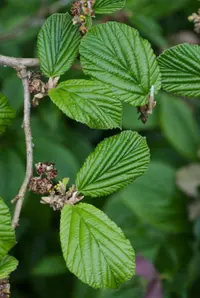
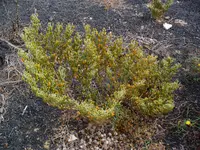
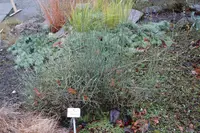
Ozark witchhazel, Hamamelis vernalis, is a deciduous shrub known for its very early flowers that often appear in late winter. It forms a dense, rounded shape with many upright stems and grows slowly into a multi-stemmed thicket over time.
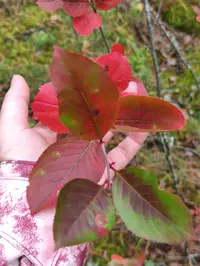
The plant carries fragrant, ribbon-like flowers in shades of yellow to red along bare branches, followed by green foliage that can turn yellow or orange in fall. It is native to the Ozark region of Missouri, Arkansas, and Oklahoma, where it grows along streams and moist woodland edges.
Hamamelis vernalis is generally considered durable and fairly easy to grow if given consistent moisture and well-drained, slightly acidic soil. Gardeners who learn how to care for Ozark witchhazel usually find it long-lived and low-maintenance.

Care Difficulty
Moderate Care

Light Preference
Partial Sun

Water Requirements
Moderate Water

Temperature Preference
Cold Hardy

Hardiness Zone
4–8

Soil Texture
Loamy, Clay, Organic-rich

Soil pH
Acidic (5.5–6.5), Slightly acidic (6.5–7.0)

Soil Drainage
Moist but well-drained

Fertilization
Minimal (feed rarely)
Scan your plant to receive care tips personalized for your specific plant
Available on iOS and Android
This deciduous shrub prefers a balance of direct sun and light shade to flower and grow well.
This shrub prefers evenly moist, well-drained soil and dislikes both drought and standing water.
This hardy shrub is adapted to cold winters and moderate summers in temperate climates.
This shrub handles a wide humidity range and usually does not need special humidity management outdoors.
Hamamelis vernalis prefers evenly moist, well-structured soil that stays aerated yet does not dry out rapidly.
This species can be grown in containers but needs careful setup to support its woody size and long life.
Hamamelis vernalis is a slow-growing shrub that needs only modest feeding in average garden soil.
Hamamelis vernalis benefits from light, well-timed pruning to maintain structure and flowering performance.
This shrub is usually grown in the ground, so focus on careful transplanting rather than frequent repotting.
Hamamelis vernalis can be propagated, but success is moderate and methods are relatively slow.
This species is cold hardy across much of the US and generally needs minimal winter attention in the ground.

Plant Health Check
Not sure what's wrong with your plant? Check your plant's health inside the app.
This species flowers from late winter to very early spring, often when snow is still on the ground, providing nectar and pollen before most other woody plants bloom.
Its narrow, ribbon-shaped petals can curl and relax in response to freezing temperatures, helping the flowers tolerate repeated frost events without major damage.
In the wild, it naturally occurs along rocky streams and moist slopes in the Ozark region of Missouri, Arkansas, and Oklahoma, where it helps stabilize soil and understory structure.

Ozark witchhazel has been used as a parent in breeding programs to produce hybrid witchhazels with enhanced cold tolerance and unusually early flowering, influencing many ornamental cultivars grown in temperate gardens.
This species usually flowers in late winter to very early spring, often February–March, sometimes while snow is still on the ground. Fragrant ribbon-like petals tolerate light frost, providing rare color and scent when few shrubs are blooming.
Keep your plants happy and healthy with plant identification, disease detection, and easy care guidance.