Zygophyllum molle Care

Zygophyllum molle

About Zygophyllum molle

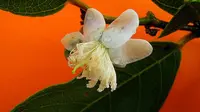
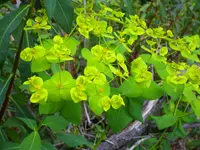
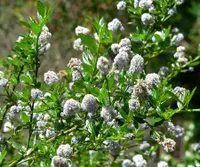
Zygophyllum molle is a small, drought-tolerant shrub from arid and semi-arid regions, often found in rocky or sandy soils. It belongs to the Zygophyllaceae family, which includes many hardy desert plants.

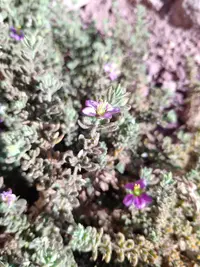
This species typically forms a low, branched mound with small, fleshy leaves adapted to conserve water. Its overall look is compact and somewhat sparse, making it suitable for dry gardens or specialized collections.

Understanding how to care for Zygophyllum molle starts with recognizing its preference for strong light, very well-drained soil, and infrequent watering. Its natural toughness makes it easier to grow for those who can avoid overwatering.

Main Plant Requirements

Care Difficulty

Easy Care

Light Preference

Full Sun

Water Requirements

Low Water

Temperature Preference

Warm Climate

Hardiness Zone

9–11

Soil Texture

Sandy, Loamy, Rocky

Soil pH

Neutral (7.0), Slightly alkaline (7.0–7.5)

Soil Drainage

Well-drained

Fertilization

Minimal (feed rarely)

Get Personalized Care Plan

Scan your plant to receive care tips personalized for your specific plant

Available on iOS and Android

How to Care for the Zygophyllum molle

This drought-adapted shrub prefers bright, open conditions similar to its native habitat.

  • Provide 6–8 hours of direct sun daily; full sun promotes compact growth and dense foliage for Zygophyllum molle.
  • Allow light afternoon shade in very hot, dry regions to reduce leaf scorch and stress, especially on young plants.
  • In winter, ensure plants are not shaded by buildings or taller vegetation, as prolonged low light leads to leggy, weak shoots.

This species is drought tolerant and prefers infrequent, deep watering rather than constant moisture.

  • Water only when the top 3–5 cm of soil are completely dry; in hot, dry seasons this may mean deep watering every 10–21 days outdoors.
  • Use very free-draining, gritty soil so excess water runs off quickly, which reduces root rot risk and supports good aeration.
  • Watch foliage for shriveling and slow growth as signs of underwatering; yellowing, soft stems, or sudden leaf drop usually indicate overwatering.

This plant prefers warm, dry conditions and does poorly in prolonged cold or damp weather.

  • Aim for 65–85°F (18–29°C) during active growth; stable warmth supports strong stems and leaf development.
  • Protect from frost; short exposure below 30–32°F (-1–0°C) can damage tissues, and sustained freezes may kill the plant.
  • In hot spells above 95°F (35°C), it usually tolerates heat if soil is well drained, but light afternoon shade can reduce stress and scorch.

This species tolerates typical indoor humidity and does not need extra moisture in the air.

This shrub prefers lean, fast-draining, mineral-rich soil that mimics arid, rocky habitats.

  • Use a gritty mix of roughly 60–70% coarse sand or fine gravel with 30–40% cactus potting mix.
  • Ensure water drains through in seconds; standing water or a soggy surface indicates insufficient drainage.
  • Aim for slightly alkaline soil, around pH 7.5–8, by including a small amount of crushed limestone or similar mineral material.
  • Avoid peat-heavy, compact, or high-organic mixes that stay wet, as these rapidly cause root and stem rot in Zygophyllum molle.

This species is suitable for container growing, especially in dry, sunny outdoor spots.

  • Choose a wide, shallow pot to match its fibrous, spreading roots and prevent water sitting deep in the substrate.
  • Select unglazed clay to allow faster evaporation and reduce the risk of prolonged root wetness after heavy rain.
  • Place the container on feet or pot risers so drainage holes stay clear and excess water leaves the root zone quickly.

This drought-adapted shrub needs only light feeding to stay healthy in cultivation.

  • Use a low-dose, balanced NPK liquid fertilizer at 1/4–1/2 strength for Zygophyllum molle in spring and early summer.
  • Apply every 4–6 weeks during active growth if soil is very sandy or nutrient-poor.
  • Avoid high-organic compost; keep the mix mineral and free-draining to prevent root rot.
  • Stop feeding in late summer and do not fertilize in winter dormancy.

Pruning is mainly corrective and helps maintain a compact, branching form.

  • Best time is late winter to very early spring before new growth begins.
  • Remove dead, damaged, or crossing stems first, cutting back to healthy tissue.
  • Thin crowded interior shoots to improve light penetration and air movement.
  • Use clean, sharp hand pruners and make small cuts to preserve the shrub’s natural shape.

This species is usually grown in the ground; container plants or young shrubs need infrequent disturbance.

  • Transplant in late winter or early spring, when temperatures are mild and soil is workable.
  • Look for slow growth, roots circling the pot, or water running straight through as signs a container plant needs more space.
  • Move to a slightly larger pot or planting hole with a gritty, sharply draining mix to limit root stress.
  • Handle the root ball gently, keep it at the same depth, water once to settle soil, then allow the surface to dry.

Propagation is commonly done from semi-ripe cuttings or seeds under warm, dry-leaning conditions.

  • Take 6–8 cm semi-ripe stem cuttings in late spring to summer and remove lower leaves.
  • Insert cuttings in a very free-draining mix, maintain bright light, and keep only lightly moist until roots form.
  • Sow seeds in spring in a sandy substrate, barely covered, at 68–75°F for reliable germination.
  • Provide good air movement and avoid overwatering young plants to limit damping-off and rot.

This shrub is moderately frost tolerant but benefits from simple winter precautions in colder regions.

  • In climates colder than its normal range, add a light gravel or mineral mulch around the root zone.
  • Keep soil on the dry side in winter, especially in containers, to enhance cold tolerance.
  • Move potted plants to a bright, frost-free spot indoors or under cover when hard frost is forecast.

Care Tips

Rain protection

Place containers under a roof overhang or move them to a sheltered spot during prolonged rain to prevent root stress in this drought-adapted succulent shrub.

Controlled root space

Use a wide, shallow container with drainage holes and a gritty mix so the fine roots stay aerated and you can easily monitor root density when caring for Zygophyllum molle.

Winter dryness check

In cool winter conditions, feel 3–5 cm deep into the mix with a dry stick or bamboo skewer and only water when it comes out completely dry to avoid cold, wet root damage.

Salt buildup management

Once or twice a year, on a warm, dry day, flush the potting mix thoroughly with low-mineral water and then let it dry fully to reduce fertilizer salt accumulation around the roots.

Compact growth shaping

After the main flowering period, lightly pinch or trim overly long, leggy shoots back to a side branch to maintain a compact, branched form and encourage denser future growth.

Common Pests and Diseases

Mealybugs

This pest feeds on succulent stems and leaf bases, sucking sap and causing pale, stunted growth and sticky honeydew deposits. Symptoms include cottony white clusters tucked into stem joints or crevices along the fleshy branches.

Solution

Isolate the plant, then dab visible insects with cotton swabs dipped in 70% isopropyl alcohol and repeat weekly until no new clusters appear. Improve light and air movement, avoid overfertilizing soft new growth, and use a neem oil or insecticidal soap spray directed into crevices for larger infestations.

Soft scale

These insects attach to stems and thicker leaf bases, forming small, dome-shaped bumps that excrete honeydew and can lead to sooty mold on nearby surfaces. Affected plants often show slow growth and reduced vigor rather than dramatic leaf drop.

Solution

Scrape or wipe off individual scales with a cotton pad or soft brush, then spray stems thoroughly with insecticidal soap or light horticultural oil, repeating every 7–10 days over several life cycles. Keep the plant in bright, dry conditions and reduce excess nitrogen fertilizer, which encourages tender growth favored by scale insects.

Stem tip dieback

This disease affects the soft, succulent shoot tips, which may shrivel, discolor, and dry back from the end of the stem, often after cool, damp weather or minor mechanical damage. Symptoms include brown or blackened tissue at the growing tips while older stems look relatively healthy.

Solution

Cut back affected stem sections into firm, healthy tissue with a sterile blade and discard all infected material, then allow the plant to dry slightly between waterings. Provide higher light, better air circulation, and avoid overhead watering; in persistent cases, a light application of a broad-spectrum fungicide labeled for succulents can be used on new growth.

Corky stem lesions

This disease produces localized, sunken, corky patches on the fleshy stems, often starting where water sits or where small injuries occurred. Lesions may remain dry but can crack and distort stems over time, especially in plants kept too moist or crowded.

Solution

Remove and discard severely affected stems and ensure the plant is grown in a very free-draining, mineral-rich mix that dries between waterings. Improve airflow, avoid prolonged surface wetness, and keep foliage and stems dry when watering; a preventive sulfur or copper-based fungicide spray can help if conditions remain humid.

Interesting Facts

Natural desert dwarf

This small succulent shrub typically forms low, compact cushions in its arid North African habitats, an adaptation that reduces exposure to drying winds and intense sun.

Fleshy, paired leaves

Its short stems carry opposite, thick, fleshy leaf pairs that store water and reduce surface area, helping the plant survive long dry periods in sandy or stony soils.

Adapted to poor soils

The species commonly grows on nutrient-poor, calcareous or sandy substrates where few competitors can persist, relying on slow, efficient growth rather than rapid expansion.

FAQs about Zygophyllum molle

Yellowing leaves usually come from excess moisture around the roots, poor drainage, or old leaves aging out. Check that the potting mix dries between waterings, remove standing water in saucers, and trim any mushy, rotting roots.

Grow Healthy Plants with Botan Care

Keep your plants happy and healthy with plant identification, disease detection, and easy care guidance.


Botan plant care app — identify plants on mobile

Explore More Plants