California laurel Care (Umbellularia californica)

Also known as: California bay, California bay laurel, bay laurel, Oregon myrtle, pepperwood, Headache Tree
California laurel

About California laurel

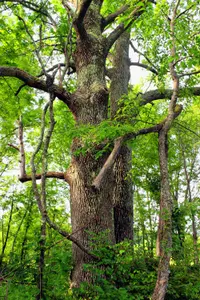
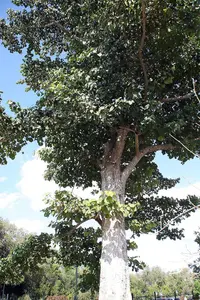
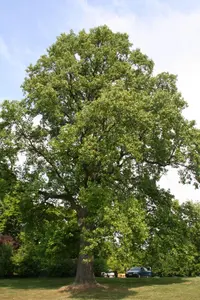
California laurel, Umbellularia californica, is an evergreen tree or large shrub native to coastal and foothill forests of California and southwestern Oregon. It is also known as bay laurel or Oregon myrtle in local trade.

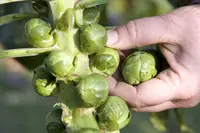
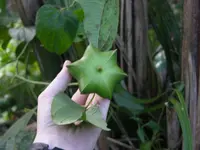
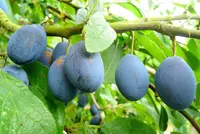
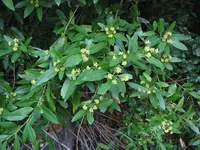
The plant has dense, glossy, aromatic leaves and can form a rounded shrub or a tall, upright tree, depending on climate and pruning. Small yellowish flowers and olive-like fruits appear seasonally but are usually less noticeable than the foliage.

It is generally hardy, adaptable, and long-lived, but its strong root system and eventual size mean it suits larger gardens best. In cultivation it prefers sun to light shade, moderate moisture, and well-drained soil, which makes it relatively straightforward to care for California laurel in suitable climates.

Main Plant Requirements

Care Difficulty

Moderate Care

Light Preference

Full Sun

Water Requirements

Moderate Water

Temperature Preference

Cold Hardy

Hardiness Zone

7–10

Soil Texture

Sandy, Loamy, Clay

Soil pH

Slightly acidic (6.5–7.0), Neutral (7.0)

Soil Drainage

Moist but well-drained

Fertilization

Minimal (feed rarely)

Get Personalized Care Plan

Scan your plant to receive care tips personalized for your specific plant

Available on iOS and Android

How to Care for the California laurel

This evergreen tree prefers bright, direct light but tolerates some shade once established.

  • Provide 6–8 hours of sun daily; full sun suits coastal areas, while hot inland sites benefit from light afternoon shade.
  • Young California laurel plants handle partial shade, especially with strong afternoon sun, but deep shade slows growth and reduces leaf density.
  • Watch foliage for stress: pale, scorched, or curling leaves indicate excessive sun, while long, weak shoots and sparse foliage point to insufficient light.

This species prefers moist but not saturated soil, especially during its establishment phase.

  • For in-ground plants, let the top 5–8 cm of soil dry slightly, then water deeply so moisture penetrates at least 20–30 cm.
  • Reduce frequency in autumn and winter, relying mostly on rainfall; increase during hot, dry periods to prevent prolonged wilting of Umbellularia californica.
  • Signs of overwatering include yellowing leaves and soft new growth; chronic underwatering shows as crisp leaf edges, leaf drop, and slow recovery after heat.

This hardy tree tolerates a broad temperature range when sited correctly and given time to establish.

  • Optimal growth occurs around 60–80°F (16–27°C), with steady spring and early summer warmth supporting new shoots and root expansion.
  • Mature plants usually survive down to about 15–20°F (-9 to -6°C), but young trees benefit from protection during hard frosts and cold, drying winds.
  • In hot inland areas, repeated extremes above 100°F (38°C) can cause leaf scorch; mulch the root zone and provide some afternoon shade to reduce heat stress.

This species is quite tolerant of varied humidity, so humidity management is usually low priority outdoors.

  • Aim for 30–60% humidity; California laurel copes well with typical outdoor ranges in most regions.
  • Dry air rarely harms established plants, but very hot, dry wind can desiccate new growth and leaf tips.
  • Leaf edge browning and premature leaf drop in exposed sites can indicate humidity and wind stress; use a windbreak or nearby shrubs to buffer exposure.

Umbellularia californica prefers well-structured, fast-draining mineral soil that still holds some moisture.

  • Use a sandy or loamy base with 20–30% compost to supply organic matter without making the soil heavy.
  • Ensure rapid drainage; incorporate coarse sand, fine gravel, or 20–30% perlite to prevent waterlogging around the root zone.
  • Target a slightly acidic to neutral pH around 6.0–7.0; avoid strongly alkaline or saline soils that can cause nutrient imbalance.
  • Do not plant in compacted clay or spots where water stands after rain; raised beds or berms improve aeration and root health.

This species can be grown in containers when kept pruned and given a large, stable pot.

  • Choose a deep, wide container to accommodate the strong root system and reduce tipping in windy conditions.
  • Select a heavy material such as ceramic or thick terracotta to improve stability as the canopy becomes dense and top-heavy.
  • Use a fast-draining mix and elevate the pot slightly on feet or bricks so drainage holes never sit in standing water.

This native tree generally needs little feeding in the ground but benefits from light support in containers or poor soil.

  • Use a balanced slow-release fertilizer (for example 8-8-8 or 10-10-10) or well-rotted compost in early spring.
  • Feed container-grown California laurel 1–2 times during the growing season, following label rates at half strength.
  • Avoid high-nitrogen lawn fertilizers around the root zone to limit weak, overly lush growth.
  • Do not fertilize in late fall or winter, when growth slows and nutrients are not efficiently used.

Pruning Umbellularia californica is mainly done to manage size and remove problem wood rather than to encourage flowering.

  • Carry out structural pruning in late winter to early spring, before vigorous new growth starts.
  • Remove dead, diseased, crossing, or storm-damaged branches first, cutting back to healthy wood.
  • Thin crowded interior branches to improve light penetration and airflow through the canopy.
  • Use sharp bypass pruners or a clean pruning saw, making smooth cuts just outside the branch collar.

This species is usually grown in the ground; transplanting young trees carefully is more important than frequent repotting.

  • Plan transplanting for late winter to early spring, when the tree is dormant and stress is lower.
  • In containers, check for roots circling the pot, water running straight through, or slowed growth every 2–3 years.
  • Move to a slightly larger container or planting hole, keeping the root flare at soil level and backfilling with native soil.
  • Water deeply after planting, then shade the tree temporarily and maintain even moisture while new roots establish.

Umbellularia californica is typically propagated from seed, with cuttings used less often and requiring careful conditions.

  • Collect ripe berries in late fall, clean off the fleshy pulp, and sow fresh seed for best germination.
  • Provide a well-drained seed mix, light cover over the seed, and cool to mild temperatures; germination may take several months.
  • Semi-hardwood cuttings taken in late summer root best with a rooting hormone and high humidity under bright, indirect light.
  • Keep any propagation medium just moist, not waterlogged, to reduce damping-off and stem rot.

Mature trees are quite cold hardy in much of their native range and usually need little specific winter care.

  • Young or newly planted trees benefit from 5–8 cm of mulch over the root zone, kept away from the trunk.
  • In areas below about 15°F, wrap young stems with breathable fabric to reduce freeze damage.
  • Container-grown plants in cold regions can be moved into an unheated garage or sheltered porch to avoid severe freezing.

Care Tips

Wind-firm training

In the first 3–5 years, allow some movement in young trees by using low, flexible staking rather than rigid ties so the trunk thickens and anchors more securely against strong winds common in this species’ native range.

Crown lifting control

Gradually remove only the lowest 1–2 branches every year once the tree is established to create clearance for paths or structures while keeping a deep, balanced crown that resists limb breakage.

Sucker and sprout management

Inspect the base and main limbs at least twice a year and promptly cut out root suckers and vigorous water sprouts flush with the parent wood to maintain a single strong framework and reduce competition for resources.

Managing aromatic oils

Wear gloves and avoid touching eyes when handling foliage or pruning, since the high essential oil content in this species can irritate skin and mucous membranes in sensitive people.

Harvesting culinary leaves

If using the foliage as a bay substitute, pick only fully mature, deep-green leaves from well-lit outer branches, and dry them for several weeks in a shaded, airy place to mellow the intense flavor while caring for California laurel as both an ornamental and culinary tree.

Common Pests and Diseases

Sudden oak death

This disease is caused by the water mold Phytophthora ramorum and can infect California bay laurel growing near oaks, acting as an important carrier. Symptoms include leaf spots, blackened leaf tips or margins, and dieback of twigs or small branches.

Solution

Remove and destroy heavily infected leaves and small twigs, avoid overhead irrigation, and improve airflow around the plant to keep foliage drier. In high-risk areas, keep the plant and its leaf litter away from susceptible oaks, and follow local guidelines for green waste disposal and movement of plant material as part of broader Umbellularia californica care instructions.

Leaf spot

This disease is typically fungal and leads to small dark or tan spots on leaves that may enlarge and cause premature leaf drop, especially in shaded, moist conditions. Symptoms include cosmetic damage more than structural decline, but repeated defoliation can stress the plant.

Solution

Prune to open the canopy and increase light and air movement, and avoid wetting foliage when watering. Remove and discard fallen leaves and badly affected shoots; in severe or persistent cases, a labeled copper or other broad-spectrum fungicide can be used according to local regulations and product directions.

Soft scale

These insects attach to stems and leaf veins, feeding on sap and excreting sticky honeydew that can lead to sooty mold growth. This pest can cause leaf yellowing, stunted growth, and a general decline when populations are high.

Solution

Prune out heavily infested twigs and dispose of them, then wash remaining stems and leaves with a strong but controlled stream of water and a mild insecticidal soap. For persistent infestations, apply a horticultural oil during the dormant season or early spring to smother overwintering stages, making sure to coat stems and branch crotches thoroughly.

Oakworm caterpillars

These insects, including California oakworm, can feed heavily on bay laurel foliage when present, leaving skeletonized or missing leaves and conspicuous frass (droppings). This pest tends to occur in cycles and may defoliate sections of the canopy but rarely kills established trees.

Solution

Monitor foliage during spring and early summer and hand-pick caterpillars from reachable branches or prune and dispose of small infested shoots. For higher populations on valued ornamental trees, targeted applications of Bacillus thuringiensis (Bt) to young larvae can be effective while minimizing impact on beneficial insects.

Armillaria root disease

This disease is caused by Armillaria fungi in the soil and is more common where trees are stressed or planted on previously forested or orchard land. Symptoms include gradual canopy thinning, yellowing leaves, dieback, and sometimes white fungal mycelium under the bark near the root collar or honey-colored mushrooms at the base in moist seasons.

Solution

Improve plant vigor by reducing drought and soil compaction stress, and avoid wounding roots or burying the trunk flare. Long term management focuses on site selection, removal of severely affected trees and major roots, and avoiding replanting Umbellularia or other highly susceptible woody hosts in the same infested spot.

Interesting Facts

Potent aromatic foliage

The leaves release a very strong, camphor-like aroma when crushed due to high levels of volatile oils, which can cause headaches in some people after prolonged exposure.

Specialist butterfly host

This species is the primary native host plant for the California bay laurel geometrid moth (Nepytia umbrosaria), supporting its larvae in coastal forests of western North America.

Seismic indicator roots

Field observations have shown that dense stands often establish along active fault lines in California, where fractured bedrock and increased groundwater access favor its deep, wide-spreading root systems.

Botan icon

Did you know?

The large, olive-like fruits of this species were traditionally roasted and eaten by several Indigenous peoples of California, who also used the seeds as a trade item due to their strong flavor and energy-rich content.

FAQs about California laurel

Browning leaves usually result from drought stress, hot drying winds, or root damage from compacted or waterlogged soil. Check soil moisture, mulch the root zone, avoid overwatering, and prune only dead tissue so new growth can recover.

Grow Healthy Plants with Botan Care

Keep your plants happy and healthy with plant identification, disease detection, and easy care guidance.

Botan plant care app — identify plants on mobile

Explore More Plants