Tuckeroo Care (Cupaniopsis anacardioides)

Also known as: beach tamarind, carrotwood, carrot weed, carrotwood tree
Tuckeroo

About Tuckeroo

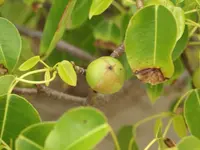
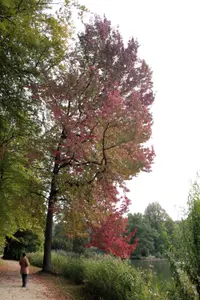
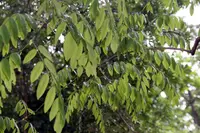
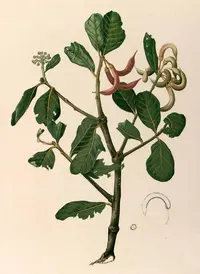
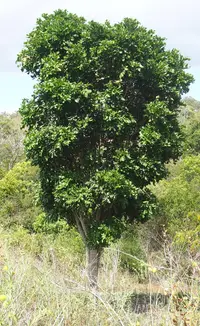
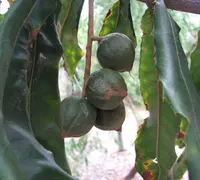
Tuckeroo, or Cupaniopsis anacardioides, is a broadleaf evergreen tree from coastal eastern Australia. It is often used as a street or landscape tree in warm climates. The tree forms a dense, rounded canopy with smooth gray bark, glossy green leaves, and small creamy flowers followed by decorative orange capsules. Its root system is relatively contained compared with many other street trees. This species is valued for its toughness, wind tolerance, and ability to handle coastal exposure, which makes it adaptable in urban plantings. It prefers sun, moderate moisture, and well-drained soil, and is generally considered low-maintenance once established, which simplifies how to care for Tuckeroo.

Main Plant Requirements

Care Difficulty

Moderate Care

Light Preference

Full Sun

Water Requirements

Moderate Water

Temperature Preference

Warm Climate

Hardiness Zone

9–11

Soil Texture

Sandy, Loamy, Organic-rich

Soil pH

Slightly acidic (6.5–7.0), Neutral (7.0)

Soil Drainage

Well-drained

Fertilization

Minimal (feed rarely)

Get Personalized Care Plan

Scan your plant to receive care tips personalized for your specific plant

Available on iOS and Android

How to Care for the Tuckeroo

Cupaniopsis anacardioides prefers bright outdoor conditions with protection from harsh midday sun.

  • Provide 4–6 hours of direct morning sun with light or dappled shade from about 11 a.m. to 3 p.m.
  • Tuckeroo tolerates partial shade but may grow thinner crowns and less dense foliage if total direct sun drops below 3 hours daily.
  • In hot, inland summers, use afternoon shade or filtered light to prevent leaf scorch; in winter, ensure as much unobstructed sun as possible.

Cupaniopsis anacardioides prefers evenly moist, well-drained soil once established.

  • Allow the top 3–5 cm of soil to dry before deep watering, then wet the root zone thoroughly and let excess drain away.
  • Reduce watering frequency in cool seasons, but do not let the soil stay dry so long that leaves curl, wilt, or yellow at the tips.
  • Improve drainage with sandy or loamy soil to avoid waterlogging, which causes root rot, leaf drop, and sour or swampy soil smell.

This species prefers mild, frost-free climates with warm summers and cool, not cold, winters.

  • Aim for 65–80°F (18–27°C) for active growth, with stable conditions helping young trees establish well.
  • Avoid frost; damage often occurs below about 30°F (-1°C), especially to young or newly planted trees.
  • Mature plants tolerate short heat spikes up to 95–100°F (35–38°C) if soil moisture is adequate, but prolonged extreme heat increases stress and leaf scorch risk.

This species tolerates a wide humidity range but benefits from moderate ambient moisture indoors.

  • Target 40–60% humidity for stable growth when keeping Tuckeroo indoors or on sheltered patios.
  • It usually copes with drier air, but prolonged humidity below 30% may slow growth and increase leaf edge browning.
  • Increase humidity locally with nearby water trays, grouped plants, or a room humidifier rather than misting the foliage.

Cupaniopsis anacardioides prefers a well-aerated, free-draining mineral-based substrate.

  • Use a sandy or sandy-loam mix with 30–40% coarse material such as perlite, pumice, or fine gravel to prevent compaction.
  • In containers, combine 50–60% peat-free potting mix with 20–30% coarse sand and 20% perlite or bark for structure.
  • Aim for slightly acidic to neutral pH around 6.0–7.0; avoid very alkaline or saline conditions that restrict nutrient uptake.
  • Avoid heavy clay, waterlogged substrates, or mixes rich in fine peat alone, which reduce aeration and promote root rot.

This species can be grown in containers, especially when managed as a shrub or small patio tree.

  • Choose a wide, heavy container to counterbalance its dense canopy and reduce tipping in wind-exposed positions.
  • Select a pot deep enough to accommodate a developing woody root system so roots do not circle tightly near the surface.
  • Use containers with large, unobstructed drainage holes so excess irrigation water exits quickly and does not pool at the base.

Cupaniopsis anacardioides grows acceptably in average soil but responds to moderate, targeted feeding in containers or poor ground conditions.

  • Use a balanced slow-release fertilizer (e.g., 10-10-10) or well-rotted compost at the start of spring for caring for Tuckeroo.
  • Feed container plants every 6–8 weeks in the growing season with half-strength balanced liquid fertilizer.
  • Reduce or stop fertilization in fall and winter when growth slows.
  • Water thoroughly after applying any fertilizer to avoid root burn and help nutrients move into the root zone.

Pruning Cupaniopsis anacardioides is mainly used to manage size, structure, and clearance rather than to improve flowering.

  • Carry out light structural pruning in late winter or early spring before vigorous new growth begins.
  • Remove dead, damaged, crossing, or crowded branches using clean, sharp bypass pruners or loppers.
  • Shorten or thin long shoots to maintain a balanced canopy and clear paths, windows, or power lines.
  • Avoid heavy cuts into large limbs; spread shaping over several seasons to limit stress and decay risk.

This species is usually grown as a landscape tree, so care focuses on transplanting young plants rather than long-term container repotting.

  • Transplant in late winter to early spring when temperatures are mild and soil is workable.
  • Look for signs such as roots circling the pot, slow growth, or plants blowing over easily as cues to transplant.
  • Shift into a hole or container 1–2 sizes larger, using well-drained soil and keeping the root flare at soil level.
  • Water deeply after planting, then keep soil evenly moist for several weeks to reduce transplant shock and support new root growth.

Cupaniopsis anacardioides is most often propagated from seed, with cuttings used less commonly in home settings.

  • Collect ripe seeds from mature fruits, clean off pulp, and sow fresh in late winter to early spring.
  • Use a free-draining mix, keep it just moist, and maintain warm conditions around 70–80°F for germination.
  • For semi-hardwood cuttings, take pencil-thick pieces in late spring or summer and treat bases with rooting hormone.
  • Place cuttings in a humid, bright but shaded environment and avoid waterlogging to limit rot while roots form.

This species is a frost-sensitive, warm-climate tree and requires attention in regions with cold winters.

  • In-ground plants tolerate only light, brief chills; young trees are more vulnerable to damage.
  • Apply a 5–8 cm mulch layer over the root zone in late fall, keeping it away from the trunk.
  • Move container-grown plants indoors or into a sheltered greenhouse whenever frost is forecasted.
  • In cool conditions, water sparingly but do not let the root ball dry out completely.

Care Tips

Root space planning

When planting in the ground, position trees at least 4–6 m away from pipes, paving, and foundations, as the root system becomes strong and wide-spreading over time.

Canopy shaping early

In the first 2–4 years, selectively remove low, competing branches and lightly tip-prune leading shoots to encourage a single strong trunk and an evenly balanced canopy.

Urban wind management

In exposed coastal or urban sites, use temporary windbreak mesh or plant on the leeward side of a structure for the first 1–2 years to reduce wind rock and help roots anchor firmly.

Mulch for stability

Apply a 5–8 cm layer of coarse organic mulch in a wide ring around the tree, keeping it 5–10 cm away from the trunk, to moderate soil moisture and temperature and support steady structural growth.

Monitoring fruit drop

In public or high-traffic areas, consider periodic removal of clusters of developing fruits to reduce slippery fruit drop and keep surfaces safer while growing Tuckeroo as a street or courtyard tree.

Common Pests and Diseases

Psyllids

This pest is a small sap-sucking insect that forms hard, lumpy galls on leaves and young shoots, often called tuckeroo psyllid galls. Symptoms include distorted foliage, thickened leaf tissue, and reduced vigor on affected branches.

Solution

Prune and dispose of heavily galled shoots to remove developing insects, and avoid feeding waste to compost. For light infestations, hose down foliage to dislodge nymphs; for persistent problems, use a horticultural oil spray targeted to new growth while monitoring regularly as part of broader Cupaniopsis anacardioides care.

Scale insects

These insects attach to stems and leaf undersides, appearing as small, immobile bumps that suck sap and excrete sticky honeydew. Symptoms include yellowing leaves, sooty mold growth on honeydew, and general decline of affected branches.

Solution

Wipe or gently scrub small colonies from stems and leaves with a soft cloth or brush dipped in diluted soapy water, then rinse. In larger outdoor trees, encourage natural predators, prune heavily infested twigs, and, if needed, apply horticultural oil thoroughly to smother scale, repeating according to label directions.

Sooty mold

This disease is a superficial black fungal growth that develops on the sugary honeydew left by sap-sucking insects such as scale, aphids, or psyllids. Symptoms include blackened leaf surfaces, reduced photosynthesis, and a dull, dirty appearance of foliage and branches.

Solution

Control the underlying insect infestation first, then gently wash leaves with water to remove mold and improve light penetration. Improve airflow through selective pruning to dry foliage faster and reduce future fungal buildup on honeydew-coated surfaces.

Leaf spot

This disease causes tan to dark brown spots on leaves, sometimes with yellow halos, which can merge and lead to premature leaf drop under humid or crowded conditions. Symptoms include thinning canopies and a generally untidy, stressed appearance in affected trees.

Solution

Remove and discard fallen and badly spotted leaves to reduce the source of reinfection, and avoid overhead watering that keeps foliage wet. Improve spacing and airflow in landscape plantings and, in recurring severe cases, consult local extension or arborist services about a targeted fungicide suitable for ornamental trees.

Interesting Facts

Bird-dispersed aril seeds

The seeds are enclosed in bright orange arils, a fleshy covering that attracts birds such as currawongs and pigeons, which eat the arils and disperse the hard seeds through their droppings.

Coastal wind tolerance

This species naturally occurs on coastal headlands and dunes in eastern Australia and has leathery, glossy leaves and flexible branches that help it cope with salt-laden winds and occasional drought.

Urban street tree use

Because of its compact crown and tolerance of pruning, air pollution, and reflected heat, it is widely planted as a street and parking-lot tree in warm climates, although in some regions it has become invasive due to prolific self-seeding.

Botan icon

Did you know?

In parts of Florida, this species is listed as an invasive plant because its bird-dispersed seeds allow it to escape cultivation and form dense stands that displace native coastal and hammock vegetation.

FAQs about Tuckeroo

This species is generally considered fast-growing in warm climates, especially during its first 5–10 years. With adequate space and basic Cupaniopsis anacardioides care, it can form a small shade tree relatively quickly compared with many ornamentals.

Grow Healthy Plants with Botan Care

Keep your plants happy and healthy with plant identification, disease detection, and easy care guidance.

Botan plant care app — identify plants on mobile

Explore More Plants