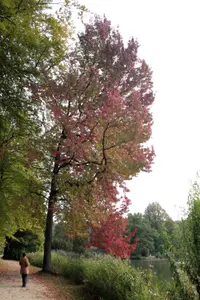
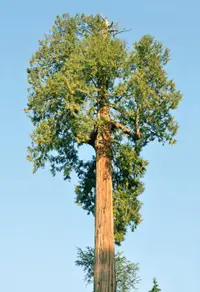
Port Orford cedar Care (Chamaecyparis lawsoniana)

Also known as: Port Orford Cypress, Port Orford-cedar, Oregon cedar, ginger-pine
Port Orford cedar

About Port Orford cedar

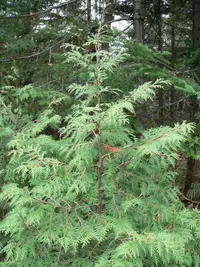
Port Orford cedar (Chamaecyparis lawsoniana) is an evergreen conifer typically grown as a landscape tree or large shrub. It forms a narrow, upright to pyramidal crown with fine, feathery foliage.

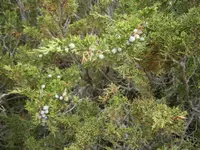
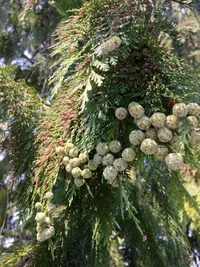
In nature it occurs mainly in a limited coastal region of southwest Oregon and northwest California, often on cool, moist sites. Its foliage is usually rich green to bluish green, with small scale-like leaves and drooping branch tips that give a graceful, layered look.

It can be rewarding but somewhat demanding, as it dislikes waterlogged soil, air pollution, and very hot, dry conditions. Understanding how to care for Port Orford cedar starts with choosing a cool, well-drained site with consistent moisture and good light.

Main Plant Requirements

Care Difficulty

Moderate Care

Light Preference

Full Sun

Water Requirements

Regular Water

Temperature Preference

Cold Hardy

Hardiness Zone

5–9

Soil Texture

Sandy, Loamy, Organic-rich

Soil pH

Acidic (5.5–6.5), Slightly acidic (6.5–7.0)

Soil Drainage

Moist but well-drained

Fertilization

Minimal (feed rarely)

Get Personalized Care Plan

Scan your plant to receive care tips personalized for your specific plant

Available on iOS and Android

How to Care for the Port Orford cedar

Chamaecyparis lawsoniana prefers bright outdoor conditions with protection from harsh extremes.

  • Provide 4–6 hours of sun daily, ideally with morning sun and light afternoon shade to prevent foliage scorch, especially in hotter regions.
  • Tolerates partial shade, but dense shade reduces growth and can thin the crown; aim for dappled or filtered light under taller trees if full sun is not available.
  • Monitor seasonal changes; in summer, protect Port Orford cedar from intense late-afternoon sun, while in winter it can handle more open exposure.

Chamaecyparis lawsoniana performs best in evenly moist, well-drained soil.

  • Water when the top 3–5 cm of soil feels dry, allowing moisture to reach the full root zone without saturating the ground.
  • In spring and summer, increase watering during dry spells; in fall and winter, reduce frequency but do not let the soil fully dry out for long periods.
  • Watch for yellowing, dropping foliage as a sign of drought stress, and for dull, limp, or blackened roots as a sign of overwatering and poor drainage.

This species is a cool- to mild-climate conifer with good cold tolerance.

  • Optimal growth occurs around 50–75°F (10–24°C), with steady, moderate conditions favoring dense, healthy foliage.
  • Mature plants tolerate cold down to about 0°F (−18°C) or slightly lower, but young trees benefit from protection from drying winter winds.
  • In hot climates, prolonged exposure above 85–90°F (29–32°C) can stress the tree; provide mulch and some afternoon shade to limit heat and root-zone drying.

This conifer prefers moderately moist air but usually adapts to typical outdoor humidity levels.

  • Aim for 40–60% humidity, especially for young Port Orford cedar plants or those in sheltered spots.
  • In very dry air, foliage tips may brown and inner sprays may thin, indicating humidity stress rather than underwatering.
  • Increase humidity slightly by mulching the root zone and grouping plants, but prioritize consistent soil moisture over misting.

Chamaecyparis lawsoniana needs cool, moist, well-aerated soil to support steady growth and healthy roots.

  • Use a deep, loamy mix with plenty of organic matter, such as composted bark and leaf mold, to retain moisture without becoming compacted.
  • Ensure rapid drainage by incorporating coarse sand or fine gravel, and avoid heavy clay that stays waterlogged after rain.
  • Target slightly acidic to neutral pH, around 5.5–7.0, since alkaline soils can lead to nutrient lockout and foliage yellowing.
  • Improve aeration by raising soil in a low mound or using beds amended with chunky organic material instead of dense, fine-textured media.

This species can be grown in containers for several years if the pot is chosen and managed carefully.

  • Select a tall, heavy container to counter the plant’s upright, potentially top-heavy growth and reduce tipping in wind.
  • Use a fast-draining, bark-based potting mix so water moves through quickly while the bark holds moderate moisture around the roots.
  • Place the container where it is sheltered from strong, drying winds, which desiccate foliage faster than roots can supply water in a confined volume.

Chamaecyparis lawsoniana benefits from light, measured feeding rather than heavy fertilization.

  • Use a balanced slow-release granular fertilizer (for example 10-10-10) or well-rotted compost once in early spring for established landscape trees.
  • For Port Orford cedar in containers, apply a diluted liquid balanced feed at 1/2 strength every 4–6 weeks from early spring to late summer.
  • Avoid feeding in late fall and winter, as new soft growth is more vulnerable to cold and may not harden properly.
  • Water thoroughly after applying fertilizer and keep granules away from direct contact with the trunk to limit root and bark burn.

Chamaecyparis lawsoniana responds best to light, selective pruning that maintains its natural form.

  • Carry out structural pruning in late winter or very early spring before strong new growth starts.
  • Remove dead, diseased, or storm-damaged branches first, then thin crowded inner shoots to improve airflow and light penetration.
  • Use sharp bypass pruners or loppers and cut just above a healthy lateral shoot, avoiding cuts back into bare, brown wood.
  • Limit pruning to the outer green growth to retain density and a balanced outline without stressing the tree.

This conifer is usually grown in the ground, so focus on careful transplanting rather than frequent repotting.

  • Look for signs such as circling roots, root-bound containers, or noticeably slowed growth in potted plants as cues to move up one container size.
  • Transplant garden specimens in early spring or early fall, when soil is workable and temperatures are mild, to support root establishment.
  • Plan on transplanting young trees only once or twice; choose a permanent site with enough space for mature height and width.
  • Dig a wide, shallow planting hole, keep the root ball intact, set the root flare at soil level, water deeply, and mulch 5–8 cm to reduce stress and moisture loss.

Chamaecyparis lawsoniana is commonly propagated from cuttings to maintain cultivar traits and predictable growth.

  • Take semi-ripe heel cuttings in late summer, 7–10 cm long, from healthy current-season shoots.
  • Strip needles from the lower section, dip the base in rooting hormone, and insert into a free-draining mix of 50% perlite and 50% peat or fine bark.
  • Maintain high humidity and gentle bottom warmth around 68–72°F, with bright, indirect light to encourage rooting over several months.
  • Seed propagation is possible but slow and variable; use fresh seed, cold stratify for 6–8 weeks, then sow in a cool, bright environment.

This species is cold hardy in much of its range but benefits from simple winter care, especially when young or container-grown.

  • Established in-ground trees tolerate typical frosts in suitable USDA zones, though extreme cold and wind can cause foliage browning.
  • Apply a 5–8 cm mulch layer around the root zone in late fall, keeping it off the trunk, to buffer soil temperature and retain moisture.
  • For container plants, move pots to a sheltered spot, such as against a building wall, and insulate containers with bubble wrap or burlap.
  • In areas with strong winter sun and wind, consider windbreak netting for young trees to limit desiccation and foliage scorch.

Care Tips

Wind acclimation

In exposed sites, gradually harden young plants to wind over 2–3 weeks by first staking lightly, then loosening ties so stems flex, which encourages stronger root anchorage and reduces windthrow risk later.

Leader protection

Protect the central leader from bending or breakage by using a single, firm stake and a soft tie placed just below the top, checking and adjusting it yearly so the main stem remains straight and dominant.

Root flare check

When planting, locate the root flare and set it just at or slightly above soil level, then brush away mulch from the trunk base each year to prevent rot and bark diseases at the collar.

Targeted winter shielding

In regions with drying winter winds, install a breathable windbreak screen on the windward side and water deeply before the ground freezes to limit winter browning of foliage.

Variety-specific spacing

Confirm the mature width of the chosen cultivar and space plants accordingly, since tight spacing in hedges greatly increases humidity inside the canopy and makes disease and mite problems more frequent when caring for Port Orford cedar.

Common Pests and Diseases

Phytophthora root and collar rot

This disease causes progressive dieback, yellowing or browning foliage, and often a distinct line of canker at the soil line on susceptible Lawson cypress.

Solution

Remove and destroy severely affected plants, since recovery is rare, and avoid replanting Chamaecyparis in the same spot. Improve drainage, avoid overwatering and waterlogging, keep mulch slightly away from the trunk, and in high-risk sites consider resistant conifer species instead of growing Chamaecyparis lawsoniana.

Lawson cypress canker

This disease produces sunken, resin-soaked cankers on stems and branches, leading to sudden browning and death of individual shoots or whole sections of the tree.

Solution

Prune out affected branches at least 15–20 cm below visible symptoms during dry weather and disinfect tools between cuts. Avoid wounding the bark, reduce plant stress through correct watering and nutrition, and space plants to improve airflow and drying of foliage.

Cypress aphid

These insects feed on sap of young stems, causing dulling and browning of foliage that often starts on the inner or lower parts of hedges.

Solution

Inspect shoots in spring and early summer and prune out heavily infested sections to reduce populations. Where needed, wash accessible foliage with a strong but gentle jet of water, encourage natural predators such as lady beetles, or use a targeted insecticidal soap or horticultural oil, applied thoroughly to the stems where aphids cluster.

Conifer bark beetles

These insects bore into stressed or weakened Lawson cypress stems, leaving small exit holes and fine boring dust, and can cause rapid decline or death of affected trees.

Solution

Focus on prevention by keeping trees healthy with proper watering, avoiding root disturbance, and preventing mechanical damage to trunks. Remove and destroy severely infested or dead trees promptly to reduce breeding sites, and in high-value plantings consult a local arborist about timing of any protective insecticide treatments if beetle activity in the area is confirmed.

Kabatina twig blight

This disease causes browning and death of short shoot tips, often with a distinct line between healthy green tissue and dead brown tissue on Lawson cypress in late winter or early spring.

Solution

Prune out and discard blighted twig tips, cutting back into healthy tissue and disinfecting tools frequently. Improve air circulation, avoid overhead watering, and keep the plant well-spaced and free from dense shading to reduce prolonged leaf wetness that favors infection, following general Chamaecyparis lawsoniana care principles for site and spacing.

Interesting Facts

Oregon coastal endemic

This species is naturally native only to a narrow band of southwestern Oregon and far northwestern California, where it grows on fog-influenced, often nutrient-poor mountain and coastal slopes.

Extremely rot-resistant wood

Its heartwood is highly durable and resistant to fungal decay, which led to historic use in boat building, exterior joinery, and temple construction, especially after it was exported to Japan.

Deadly root disease vulnerability

Despite its toughness as timber, the tree is highly susceptible in nature to the water mould pathogen Phytophthora lateralis, which has caused extensive decline in wild populations since the mid-20th century.

Botan icon

Did you know?

In Japan this species became so valued as a substitute for native hinoki cypress that it is widely cultivated there under the name Lawson cypress, and its imported wood has been used for traditional architecture and fine carpentry, significantly influencing international trade in conifer timber.

FAQs about Port Orford cedar

Browning foliage often comes from root problems: poor drainage, overwatering, drought stress, or compacted soil. Salt spray, dog urine, or fungal canker also cause dieback. Check soil moisture, drainage, and trunk lesions, then prune dead tips and improve conditions.

Grow Healthy Plants with Botan Care

Keep your plants happy and healthy with plant identification, disease detection, and easy care guidance.

Botan plant care app — identify plants on mobile

Explore More Plants